
Yinglong: Yinglong is a winged dragon and rain deity from ancient Chinese mythology.
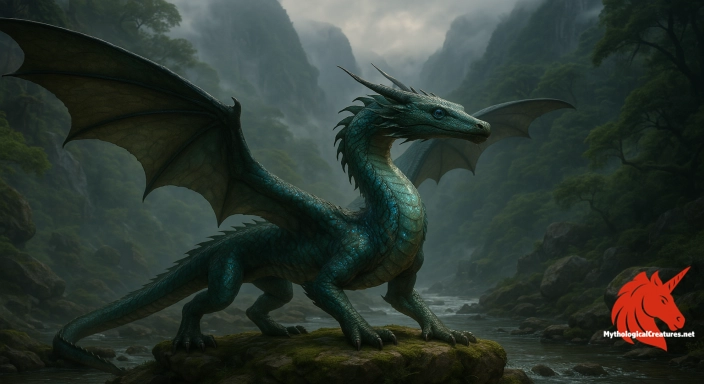
Yinglong
Yinglong - Yinglong symbolizes divine intervention in weather, representing the harmony between nature and the heavens and ensuring agricultural prosperity.
Origins & First Encounters
Yinglong is a majestic winged dragon that has captivated the imaginations of generations within Chinese mythology. Its very name, meaning 'responsive dragon', implies an entity both alert to and influential upon the forces of nature. Emerging from the mists of ancient agrarian traditions, Yinglong symbolised the vital connection between the heavens and earth, primarily through the gift of rain. This creature first appears in early mythic narratives, where the power to both nourish and protect the land is paramount. Yinglong’s early depictions were deeply entwined with the cosmological ideas of natural balance and cyclical renewal. The figure is celebrated not only as a rain deity, but also as a divine force responsible for sustaining life in times of drought and strife. Over the ages, Yinglong’s story has been enriched with layers of heroic deeds and celestial interventions that reflect the cultural and environmental concerns of its worshippers. The evolution of its myth mirrors the broader Chinese reverence for dragons as symbols of power, luck, and transformation. With each retelling, Yinglong has maintained its central role as a guardian of nature’s bounty and a mediator between human endeavours and celestial design. This enduring presence underscores its significance in both ancient lore and contemporary cultural identity.
Source Texts & Tale Variants
The myth of Yinglong is drawn from a diverse array of sources, ranging from ancient manuscripts to enduring oral traditions. Early literary references depict Yinglong in a manner that emphasises its role in regulating the elements, particularly the nurturing power of rain. Classical texts subtly intertwine the creature’s identity with the natural world, presenting it as a divine force capable of restoring harmony during times of ecological imbalance. Variants of its story have emerged over the centuries, with some accounts positioning Yinglong as an ally of legendary rulers, while others elevate it to the status of a celestial mediator. The fluidity of its myth is evident in the manifold depictions found in traditional folklore, where differing regional retellings add layers of complexity to its character. In narrative cycles, Yinglong is often transformed from a simple symbol of rain into a powerful agent in battles against chaos and disorder. This multiplicity is also visible in the way ancient ritual texts reference its interventions during critical seasonal changes. Each variant, though unique in detail, collectively reinforces the creature’s enduring association with both benevolence and cosmic authority. The tapestry of sources underscores a dynamic tradition where Yinglong’s myth is continually adapted to meet the spiritual and practical needs of society. Overall, these story variants highlight the rich and multifaceted nature of Chinese myth-making.
Form & Powers
Visually, Yinglong captivates with a synthesis of grace and formidable power, characteristic of celestial dragons. Its lithe, sinuous body is clad in glimmering scales that seem to capture the hues of the sky and the earth in which it operates. Prominent wings, expansive and elegantly structured, sprout from its back and evoke the imagery of both flight and freedom. The creature is often portrayed with intricately curling horns and a delicate, almost ethereal set of eyes that suggest both wisdom and vigilance. Its elongated form undulates with a fluidity reminiscent of flowing water, underscoring its connection to the life-giving force of rain. Artists have frequently rendered Yinglong with a mix of vibrant blues and emerald greens, colours that symbolise vitality and renewal. Detailed depictions sometimes reveal fin-like structures or ornamental cloud patterns along its body, further linking it to atmospheric phenomena. The physical presence of Yinglong is as dynamic as it is enigmatic, merging the traditional Chinese ideal of a benevolent dragon with attributes of mythic warfare and guardianship. Each portrayals encapsulate a balance between ethereal beauty and a potent, almost martial energy. In this way, Yinglong’s physical form serves as a powerful metaphor for nature’s dual capacity to both nurture and assert control.
Regional Faces
The regional lore of Yinglong showcases its adaptability to varied cultural contexts throughout ancient China. In the central plains, Yinglong was predominantly revered as a celestial rain-bringer, essential during the planting and harvest seasons, and often linked to the imperial mandate of natural order. Northern traditions sometimes emphasised a sterner, almost martial aspect of the dragon, aligning it with the rigorous demands of a harsher climate and the need for disciplined protection. In contrast, communities in the southern provinces celebrated Yinglong for its benevolent role in ensuring abundant rainfall, which directly contributed to agricultural prosperity. These regional narratives have infused the legend with local flavours, as festivals and ritual performances adapt Yinglong’s image to regional aesthetics and agricultural rituals. The creature’s iconography, as seen in local temple art and popular folklore, varies subtly to reflect differing regional attitudes towards nature and authority. Even among neighbouring East Asian cultures, remnants of Yinglong’s influence are discernible, lending a cross-cultural dimension to its myth. Variations in its depiction—ranging from a fierce guardian in some accounts to a gentle protector in others—demonstrate the flexibility of myth in expressing local values. The interplay between centralised myth and local tradition ultimately enriches the overall tapestry of Yinglong’s legend. In every retelling, the creature remains a symbol of humanity’s enduring dialogue with the natural world, tailored to the unique cultural and environmental circumstances of each region.
Cultural Parallels
Yinglong invites fascinating comparative study alongside similar mythological figures from diverse cultural traditions. Its role as a rain deity and guardian of nature bears notable similarities to the Mesoamerican feathered serpent, Quetzalcoatl, whose own narrative intertwines natural phenomena with divine authority. While Quetzalcoatl governs aspects of wind and rain within a Central American context, Yinglong is uniquely steeped in the environmental and agricultural rituals of China. In both cases, the fusion of human and celestial realms is exemplified by creatures that control essential elements needed for life and prosperity. Western traditions, often portraying dragons as hoarders of treasure and symbols of chaos, stand in stark contrast to the benevolent and responsive nature of Yinglong. Yet, this comparison highlights the universal human tendency to ascribe natural forces with moral and metaphysical significance. Just as European legends sometimes use dragons to symbolise untamed nature or obstacle to heroic quests, Yinglong represents nature’s dual ability to both nurture and demand respect. Across multiple cultural narratives, the image of a winged dragon consistently emerges as emblematic of power, mystery, and the transcendent interplay between earth and sky. Comparative analysis reveals that while the dragons of various cultures differ in temperament and symbolism, they all underscore a shared reverence for the profound forces that govern life. In this manner, Yinglong stands as a unique yet universally recognisable figure in the broader panorama of global mythology.
Legacy & Modern Evolution
The legacy of Yinglong has experienced a rich and transformative evolution from ancient myth to modern cultural icon. Initially idealised as a benevolent controller of rain and cosmic order, Yinglong was hailed as a crucial figure in the harmonious balance between nature and civilisation. Over time, its mythos was expanded by successive generations, each infusing the legend with new layers of meaning and symbolic resonance. The creature's image gradually travelled beyond the boundaries of traditional texts to become a fixture in folk art, classical literature, and imperial iconography. In more recent centuries, Yinglong has been reinterpreted as a symbol of resilience and hope in the face of environmental challenges. Modern artists and writers have embraced the figure, portraying it with renewed vitality in contemporary media and visual arts. This ongoing evolution highlights a dynamic interplay between tradition and innovation, where ancient symbols are repurposed to address modern concerns. As environmental narratives gain prominence today, Yinglong’s connection to rain and renewal is more relevant than ever, reinforcing its status as a timeless emblem of life’s cyclical nature. Cultural festivals and educational programmes continue to celebrate the lore of Yinglong, ensuring that its mythic heritage resonates with new audiences. Ultimately, the modern legacy of Yinglong encapsulates a bridge between the profound wisdom of the past and the creative aspirations of the present.
Interesting Fact
An intriguing aspect of Yinglong is its unusual depiction as a winged dragon, setting it apart from most traditional Chinese dragons which are typically portrayed as wingless and emphasizing its unique role as a responsive, weather-controlling deity.
For myth educators and toolmakers
Built a resource for mythology learners?
If you offer courses, teaching tools, or research platforms focused on myth and folklore, consider a discrete placement on our reference pages.
Introduce your resourceQuick Creature Info
Associations:
Our Mythic Legendary Rating:

Also Sometimes Known As:
Habitat:
Supernatural Powers:
Physical Attributes:
Abilities:
Behavior:
Lore:
Related Creatures, Tales or Lore
- QQinglong
- VVritra
- QQuetzalcoatl
References
Discover Another Mythical Legend You May Not Have Heard Of?
Uncover the mysteries of ancient folklore and expand your knowledge of legendary beings from cultures around the world.
Dare to Meet the Baloz....
Curated by the Mythological Creatures Team
Series editor: Mythological Creatures Directory
Primary desk: Asian & Pacific Myth Cycles Desk
(rev. November 2025)