
Abcán: Abcán is an Irish mythological dwarf known as a poet and musician among the Tuatha Dé Danann.
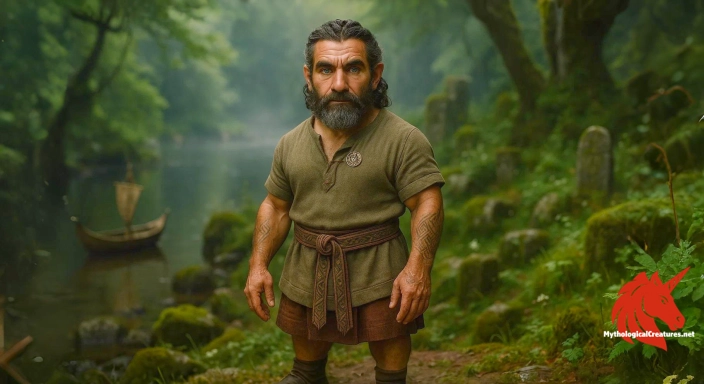
Abcán
Abcán - Abcán is renowned for his enchanting music and his pivotal role in tales where his magical lullabies influence the fates of both gods and heroes.
the legend in five swipes.
the legend in five swipes.
What are the origins of Abcán?
Abcán emerges as a distinctive figure in Irish myth, celebrated as the dwarf poet and musician among the revered Tuatha Dé Danann. His origins lie deep within the Celtic Otherworld, where magic and storytelling intertwine in a tapestry of legend and lore. The narratives surrounding him position Abcán as both a guardian of mystical secrets and a subtle trickster, whose musical gifts bridge the gap between the divine and the mortal realms. He is notably linked to the journey of the goddess Ruad, illustrating his influential role in the interplay of fate and passion in ancient myths. Abcán’s presence in these ancient tales is characterised by a blend of artistry and cunning, highlighting the cultural value placed on wit and wonder. His character is often portrayed as simultaneously endearing and mischievous, a reflection of the multifaceted nature of Celtic divinities. The emphasis on his musical talent and poetic prowess underlines the importance of art in Celtic mythology. His depiction as a diminutive yet powerful figure encapsulates the paradigm where size does not limit the impact of divine intervention.
Within the broader cultural context, Abcán’s legacy affirms the rich storytelling traditions of early Irish society, where each character was woven into the fabric of the Otherworld and the human experience alike.
Which books and scrolls describe Abcán?
The mythic narratives of Abcán are woven through a variety of ancient texts and oral traditions that have been passed down through generations. His role as the ferryman in the story involving the goddess Ruad is recounted in several early Irish sagas, each offering subtle variations on the events that blur the lines between love, fate, and tragedy. In these manuscripts, the account of Ruad’s journey from the Otherworld to the mortal realm is interlaced with elements of seduction and transformation, painting Abcán as a key enabler of destiny. Another strand of mythology details his encounter with the legendary hero Cúchulainn, where his enchanting lullabies allow him to evade capture, emphasising his mastery over musical enchantment. Some versions of the tale portray him not merely as a passive instrument, but as an active manipulator of magical forces. There are also connections drawn between Abcán and the dwarf musician Fer Í, suggesting that multiple traditions may have converged over time into a singular mythic persona. The diversity in these sources highlights both regional and temporal adaptations of his character, ensuring that his story remains dynamic and multifaceted. The variations in storytelling underscore the oral tradition’s role in reshaping myth to suit different audiences and cultural contexts.
This vibrant array of narratives serves as a testament to Abcán’s enduring presence within the mythological canon.
How did the old accounts describe Abcán?
Abcán is consistently portrayed as a dwarf of remarkable presence, where his physical form belies his potent magical and musical abilities. His stature, though diminutive, is described as imbued with an aura of ancient wisdom and craft, commonly depicted with a lively glimmer in his eyes that hints at his supernatural lineage. Artistic depictions often present him clad in finely wrought attire, possibly adorned with intricate patterns that echo Celtic symbology and the natural world. Central to his iconography is his unique vessel—a bronze boat with a tin sail—that serves as both a literal and metaphorical conduit between dimensions. The materials of his boat suggest a blend of artistry and practicality, utilising metals that symbolise strength and artistic authenticity in ancient Celtic culture. Despite limited textual descriptions of his facial features, accounts often imply that his visage is marked by clever, almost impish, characteristics, reminiscent of other diminutive figures in folklore. The juxtaposition of his small physical form with the grandeur of his actions further accentuates the mythic irony of his existence. Variations in his portrayal may include subtle differences in attire or ornamentation, but the enduring image is one of a nimble, agile being whose appearance is as enigmatic as the tales that celebrate him.
Abcán: Regional Versions and Local Names
Across various Celtic regions, Abcán’s character undergoes slight transformations that reflect the unique cultural aesthetics of each locale. In some parts of Ireland, he is revered less as a trickster and more as a guardian of sacred pathways between the earthly and the Otherworld, underscoring a role as a liminal mediator. Gaelic storytellers have often accentuated his musical prowess, presenting him as an essential figure in rituals and celebrations that honour the power of sound. In neighbouring regions where Celtic influence bleeds into Scottish and Manx folklore, his narrative sometimes merges with local legends of mystical beings, adapting his persona to local mythic archetypes. Such adaptations occasionally imbue him with additional attributes, portraying him as an emblem of transformation and renewal. The symbolism of his bronze boat, for instance, can shift in meaning, representing different concepts such as rebirth or the journey of the soul. In regions where oral tradition holds sway, the details of his escapades, including his exploits with heroes like Cúchulainn, are crafted with nuanced differences to resonate with local customs. Ultimately, these regional variations enrich the overarching myth, allowing Abcán to embody the diverse cultural visions of the Celtic world.
Abcán: Parallels in Other Cultures
The intriguing character of Abcán can be compared to various mythological figures across different cultures who embody the dual nature of artistic brilliance and capriciousness. Similar to the dwarfs of Norse mythology, who are known for their exceptional craftsmanship and often mischievous demeanour, Abcán’s role as both creator and trickster finds resonance in broader European folklore. His musical enchantments echo the themes found in other traditions where art and magic intersect, such as the fabled bards of ancient Greece who could sway both nature and man with their verses. In some respects, his ability to lull even formidable heroes into sleep parallels the magical allure found in diverse folklore, where music serves as a gateway to other realms. The overlap with the figure of Fer Í also suggests that ancient mythologies frequently merged similar archetypes to preserve core cultural narratives. Across cultures, such characters are celebrated for their ability to navigate and manipulate the borders between the mundane and the supernatural, and Abcán is a prime example of this universal motif. His portrayal also mirrors themes of redemption and subversion, where cunning and creativity triumph over brute strength. By comparing his story with those of other mythic miniatures, one can appreciate how cultural storytelling has evolved yet maintained timeless archetypes of the enchanting trickster.
Who tells the story of Abcán now?
Over the centuries, Abcán’s myth has endured as a dynamic emblem of the interplay between art, illusion, and divinity in Celtic lore. Medieval manuscripts and oral recitations preserved his exploits, while later interpretations have reimagined him through the prisms of modern fantasy and literary creativity. Contemporary portrayals often cast him as a charming yet elusive figure, whose musical mastery and cunning continue to captivate audiences in novels, films, and role-playing games. His enduring legacy is evident in the way he personifies the timeless qualities of ingenuity and the transformative power of art. Modern cultural narratives have expanded on his original stories, sometimes casting him in roles that mirror modern understandings of antiheroism and trickster subversion. Artistic representations and theatrical adaptations frequently highlight his dual essence—a being capable of both benevolent guidance and mischievous rebellion. Abcán’s myth remains a vibrant reminder of the creative potential embedded within ancient traditions, serving as a bridge between historical myth and contemporary reinterpretation. Through festivals, re-enactments, and scholarly discussion, his story continues to enrich the cultural tapestry of Irish heritage, ensuring that his legacy remains as enchanting as his melodies once were.
Interesting Fact
Abcán’s mastery over sound not only defines his mythological role but also highlights the Celtic belief in the transformative power of music, with his possible conflation with Fer Í illustrating the fluidity of legendary identities.
Mythological Treasures
Japanese Yokai: A field guide to the spirits and demons of Japanese folklore
Fifteen spirits, with the signs to watch for and what the old tales say to do if you meet one.
Greek Myths: A field guide to the monsters of ancient Greece
Every monster here earned its place in legend, and each gets a full page of artwork and the story behind it.
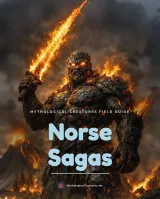
Norse Sagas: A field guide to the beasts of the Viking world
Drawn from the saga accounts themselves, with the powers, weaknesses and doom of each being set out.
the legend in five swipes.
For serious mythcraft
Your project belongs among the legends
If your work deepens how people understand, play with, or teach mythology, a sponsor placement here keeps it in front of the right readers all year.
Submit a sponsorship enquiryQuick Creature Info
Features:
Associations:
Our Mythic Legendary Rating:

Also Sometimes Known As:
Habitat:
Supernatural Powers:
Physical Attributes:
Abilities:
Behavior:
Weaknesses:
Lore:
References
Discover Another Mythical Legend You May Not Have Heard Of?
Uncover the mysteries of ancient folklore and expand your knowledge of legendary beings from cultures around the world.
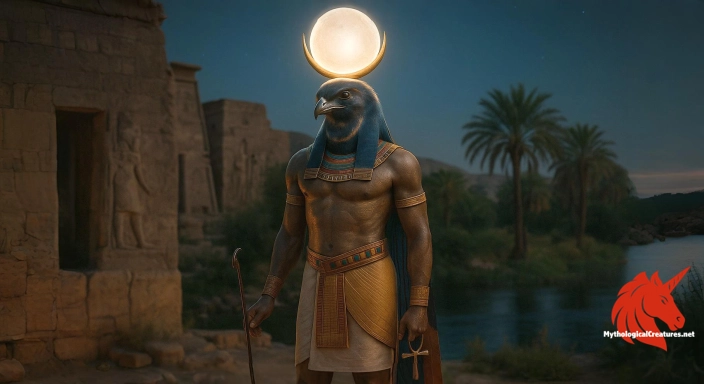
Dare to Meet the Khonsu....
The Mythological Creatures Book Series
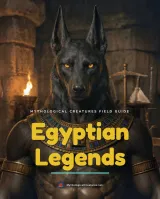
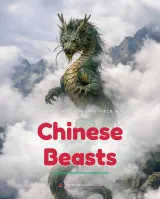
Yokai, Greek, Norse, Egyptian & Chinese. Five illustrated field guides to the creatures the old stories either warned or told you about.
Curated by the Mythological Creatures Team
Series editor: Mythological Creatures Directory
Primary desk: Northern & European Folklore Desk
(rev. November 2025)