
Acalica: Acalica are mythological weather-fairies from Bolivia known for their ability to control the weather.
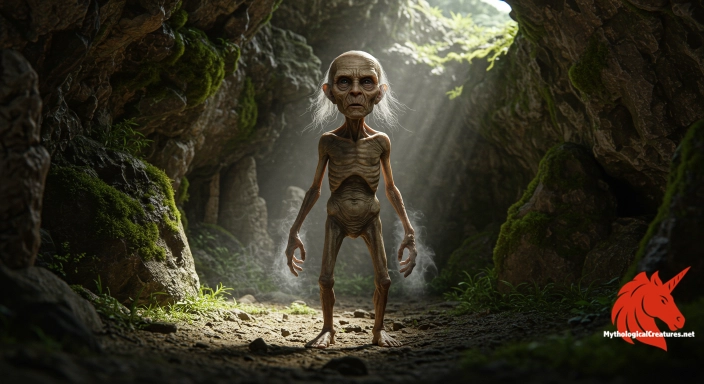
Acalica
Acalica - Acalica play a significant role in local myth as controllers of the weather and custodians of natural forces.
Origins & First Encounters
The acalica have long been enshrined in the mythic traditions of Bolivia, emerging as enigmatic figures in the rich tapestry of indigenous lore.
They are renowned as rare, elusive beings whose presence is both mysterious and awe‐inspiring, often linked to the capricious moods of nature.
Ancient narratives depict them as masters of weather, capable of summoning both refreshing rains and fierce storms with a mere gesture.
Their origins are said to trace back to the deep ancestral memories of the Andean peoples, where natural elements were intertwined with spiritual beliefs.
Legends have passed from one generation to the next, evolving with the shifting cultural and environmental landscapes of the region.
The acalica are often portrayed as small, wizened men whose rare appearances leave a lasting impression on the local community.
They are intricately linked to the secret worlds of cave dwellings, symbolising both the hidden forces of nature and the wisdom of the ages.
This enduring myth forms a bridge between ancient practices and modern spirituality, inviting continual reinterpretation and admiration.
Source Texts & Tale Variants
Oral traditions and fragmented historical accounts have long provided the primary sources for the lore of the acalica.
Indigenous storytellers wove detailed narratives that spoke of these weather-fairies emerging from shadowed caves during times of climatic transition.
Early chroniclers and folklorists, though few in number, recorded encounters that attributed both benevolence and mischief to these elusive beings.
Diverse versions of the acalica myth exist, with some communities recounting them as vital stewards of rain and others as harbingers of sudden storms.
The sparse written records from early explorers complement the rich oral tradition, offering intriguing but incomplete snapshots of their legendary exploits.
Regional songs, fables, and ritual performances have all contributed to the variegated storytelling that surrounds these creatures.
The interplay of fact and myth has resulted in multiple story variants, each highlighting different facets of their nature.
This vibrant tradition continues to inspire local narratives, ensuring that every retelling adds a new layer to their mystique.
Form & Powers
Descriptions of the acalica consistently emphasise their diminutive stature and unmistakably wizened appearance, evoking a deep sense of ancient wisdom.
They are typically portrayed as small, weather-beaten men with deeply etched wrinkles and an air of ageless experience.
Their eyes are often described in vivid detail, glowing like embers that capture both the calm of a clear day and the fury of a brewing storm.
Traditional depictions include loose, tattered garments reminiscent of historic Bolivian attire, suggesting a timeless connection with the natural world.
Some accounts even liken their skin to the rugged texture of stone or weathered bark, further linking them to the cave habitats they are believed to inhabit.
A number of artistic renditions reveal subtle, almost ethereal qualities in their form, as if their shape shimmers with the elemental forces of nature.
Every intricate detail—from the tilt of their ancient faces to the manner in which they seem to merge with shadowed landscapes—serves to underscore their deep-rooted association with the earth.
These physical traits, marked by both fragility and resilience, continue to captivate the imagination of those who encounter their legend.
Regional Faces
The lore of the acalica exhibits fascinating regional variations across the diverse landscapes of Bolivia.
In the highland communities, they are often revered as protective spirits who bestow favourable weather to ensure bountiful harvests.
Conversely, in some of the lower plains, the acalica are viewed with a mixture of respect and wariness, embodying the unpredictable temperament of nature.
Local adaptations of their myth have seen these weather-fairies adopt names and traits that reflect the specific cultural nuances of each region.
In certain villages, vivid ritualistic celebrations honour these beings, with performances and symbolic art that echo ancient beliefs.
Artisans and storytellers imbue the acalica with characteristics that resonate with local weather patterns and seasonal cycles, reinforcing their presence in regional myth.
This diversity in depiction underscores the enduring adaptability of the myth, as each community tailors the narrative to its own environmental and cultural context.
As such, the acalica continue to serve as a multi-faceted emblem of nature’s pervasive influence across the varied terrains of Bolivia.
Cultural Parallels
Echoes of the acalica can be found in numerous other cultural traditions, where small elemental beings govern the forces of nature.
Similar to the weather-wielding sprites of Celtic mythology or the elusive nature spirits in various Asian traditions, the acalica hold a comparable position as mediators between the human world and the natural environment.
This cross-cultural similarity highlights a common human impulse to personify and control the unpredictable forces of weather through mythic narratives.
In many traditions, beings of a similar diminutive stature are attributed with the power to both nurture and temper the natural world, rendering them central figures in local rituals.
Such comparisons illuminate how diverse societies, despite geographical and cultural differences, converge on the idea of small, mystical agents governing the elements.
The acalica, therefore, join an illustrious company of mythological creatures whose roles are rooted in the human experience of nature’s caprice.
This shared motif underscores universal themes of transformation, renewal, and the awe-inspiring power of the natural world.
By comparing these sprites across cultures, one gains a richer understanding of the symbolic language embedded within mythology itself.
Legacy & Modern Evolution
Over the centuries, the depiction of the acalica has evolved from ancient oral traditions into a dynamic modern symbol of nature’s volatile energy.
Their mysterious presence, once captured solely through folklore and local ritual, is now echoed in contemporary art, literature, and even digital media.
Modern artists reimagine these figures as guardians of ecological balance, reflecting current concerns about climate change and environmental stewardship.
Their timeless qualities have been adapted to resonate with today's audiences, who see in them both the vulnerabilities and resilience of the natural world.
Festivals and cultural exhibitions often feature elaborate portrayals of the acalica, underscoring their enduring influence on artistic and environmental dialogues.
This evolution from myth to modern metaphor illustrates the continuing relevance of ancient symbols in addressing contemporary issues.
Their legend serves as a bridge between a storied past and a future that demands renewed respect for nature’s forces.
In every reinterpretation, the acalica remain a potent reminder of the delicate balance between humanity and the environment, inspiring both reverence and reflection.
Interesting Fact
Despite their modest appearance, the Acalica command one of the most impressive and unpredictable powers in South American folklore—the ability to orchestrate the very weather around them.
Mythology-aligned partners
Showcase your myth-friendly brand here
Run a store, studio, or platform that lives in the world of myth and folklore? A curated sponsor panel on these pages may fit.
Explore partnership optionsQuick Creature Info
Origin:
Features:
Associations:
Our Mythic Legendary Rating:

Also Sometimes Known As:
Habitat:
Supernatural Powers:
Physical Attributes:
Abilities:
Behavior:
Lore:
Related Creatures, Tales or Lore
- SSylph
- FFairy
- PPeri
References
Discover Another Mythical Legend You May Not Have Heard Of?
Uncover the mysteries of ancient folklore and expand your knowledge of legendary beings from cultures around the world.
Dare to Meet the Nanna....
-84784dfb-0087-486c-890a-822581c21aa1_small.webp "Depiction of Nanna")
Curated by the Mythological Creatures Team
Series editor: Mythological Creatures Directory
Primary desk: Americas & Indigenous Traditions Desk
(rev. November 2025)