
Adnoartina: Adnoartina is a sacred ancestral deity from Australian Aboriginal mythology, taking the form of a gecko lizard.

Adnoartina
Adnoartina - Adnoartina is a central religious figure in Aboriginal culture, symbolising creation, ancestral legacy, and the sacred connection between the people and the land.
Origins & First Encounters
Adnoartina stands as a venerable ancestral deity within the richly layered tapestry of Australian Aboriginal spirituality, revered for its mystic presence in dreamtime lore. Born from the timeless narratives that have been orally transmitted over countless generations, the deity takes the revered form of a gecko lizard, symbolising both cunning agility and the sacred connection to the land. Its origins trace back to the earliest expressions of Aboriginal creation stories, where it emerges as a guardian of nature and a facilitator of cosmic order. The legend of Adnoartina is intimately entwined with the creation of Uluru, rendering the monumental rock formation a living emblem of spiritual genesis and ancestral memory. Indigenous communities have long imbued this deity with a dual essence, serving both as a creator and a protector of the natural world. The enduring oral traditions preserve not only its mythic exploits but also the rituals and ceremonies through which the deity is honoured. As the deity's narrative passes from one generation to the next, its story reinforces the intricate bond between people and the landscapes they inhabit. The spiritual legacy of Adnoartina continues to inspire indigenous art, music, and ceremonial practices, ensuring its presence remains integral to cultural identity. Even today, its mythic stature encapsulates the profound respect for nature and the deep-seated wisdom of Australia’s first peoples.
Source Texts & Tale Variants
The foundational accounts of Adnoartina have been meticulously preserved through dreamtime narratives and oral histories that have been handed down over millennia. These stories, recounted in intimate community settings, have provided a rich tapestry of lore that captures the deity’s role in the creation of significant landmarks such as Uluru. Early ethnographic observations and later academic studies have intermittently recorded these oral traditions, highlighting the deity’s symbolic importance. Diverse versions of the narrative exist, reflecting variations that emerged from different Aboriginal groups and their interpretations of spiritual events. Certain story variants place greater emphasis on the deity’s role as a mediator between the physical and spiritual realms, while others accentuate its creative prowess in shaping the landscape. The multiplicity of sources has served to enrich the myth, ensuring that each retelling adds new layers of meaning and context. Modern compilations and artistic representations have further cemented its status in both scholarly discourse and communal memory. The blend of ancient oral tradition with contemporary academic inquiry has allowed for a more multifaceted understanding of Adnoartina. In this way, the diverse narrative sources contribute to a dynamic and evolving tradition that honours the past while engaging with the present.
Form & Powers
Adnoartina is depicted with the distinctive and captivating features of a gecko lizard, embodying both the elegance of nature and the power of the divine. Its skin is imagined as smooth yet textured, adorned with an array of earthy patterns that mirror the rugged beauty of the Australian outback. The markings on its body are often rendered with a luminous quality, evoking the sacred energies believed to flow from Uluru itself. Graceful limbs and a sinuous, agile tail are frequently noted in artistic depictions, symbolising its fluid connection between the terrestrial and the ethereal. The eyes of the deity are portrayed as bright and discerning, reflecting an ancient wisdom and an eternal vigilance over the land. In some traditions, the creature’s form is augmented with subtle anthropomorphic hints, merging animalistic intuition with spiritual sentience. Variations in size are noted across different narratives, with some traditions portraying it as a diminutive yet potent force, and others as a vast, awe-inspiring presence. The interplay of light and shadow on its form reinforces a duality between creation and mystery, a theme central to its legend. Overall, the physical portrayal of Adnoartina marries anatomical detail with symbolic artistry, underlining its vital role in the cosmic order.
Regional Faces
Across the broad expanse of Australia, regional interpretations of Adnoartina vary in nuance and symbolic emphasis, reflecting the diverse cultural landscapes of Aboriginal communities. In the arid interior, for example, the deity is often portrayed as a fierce custodian of the land, whose creative acts are essential in the formation of sacred sites like Uluru. Coastal groups sometimes integrate the figure into a broader pantheon of water and land spirits, underscoring the interconnectedness of natural elements. Certain communities accentuate its protective aspects, using its image as a talisman against environmental adversities and spiritual disruptions. Artistic renditions differ notably from one region to another, with local motifs and colour palettes adding a distinctive flavour to its portrayal. Some regions even incorporate localized ancestral figures alongside Adnoartina, suggesting a complementary network of spiritual guardians. The geographical diversity across these narratives highlights how the physical environment has inspired varied expressions of the deity’s character. Both the visual and oral depictions reinforce a profound respect for the land, tailored to the specific natural and cultural realities of each area. Thus, regional variations not only celebrate local heritage but also contribute to a broader understanding of the deity’s universal role in Aboriginal cosmology.
Cultural Parallels
Adnoartina shares intriguing thematic similarities with other mythological figures found in diverse cultures, where animals assume a sacred or creative role. Much like the legendary serpentine deities of Mesoamerican lore, it embodies a duality of destruction and regeneration that is a recurrent motif in creation myths worldwide. Its form as a gecko lizard resonates with global symbolism where reptiles often represent adaptability, renewal, and a mystical connection with the earth. In several indigenous traditions, similar ancestral beings bridge the gap between the natural and spiritual realms, underscoring humanity’s intrinsic bond with nature. The role it plays in crafting and sanctifying prominent natural landmarks mirrors the functions of nature spirits found in other cultures, reminding us of a shared human impulse to attribute sacred power to the natural world. These cross-cultural parallels serve as a testament to how indigenous societies universally perceive nature as a living, animate force. As in various mythologies, the transformative narrative of Adnoartina speaks to themes of rebirth and the cyclical nature of existence. Comparative analysis reveals that despite regional differences, the symbolic attributes of creation, protection, and interconnection prevail across disparate cultures. In this global context, Adnoartina stands out not only for its unique Aboriginal narrative but also for its contribution to a wider, interconnected tapestry of myth and meaning.
Legacy & Modern Evolution
The historical evolution of Adnoartina’s story is marked by a continuous interplay between ancient tradition and contemporary reinterpretation, reflecting a dynamic cultural resilience. Traditionally confined to the oral narratives and ceremonial practices of small Aboriginal communities, its legend has since transcended these boundaries to influence modern art and literature. Over time, the deity has been reimagined by artists, storytellers, and academics, each rendition adding nuance to its symbolic role in the sacred landscape. The narrative has adapted to contemporary issues, increasingly embodying themes of environmental stewardship and cultural preservation in the face of modern challenges. This evolution of lore has been facilitated by exhibitions, media portrayals, and academic discourse that bridge ancient dreamtime with today’s global cultural dialogues. As Uluru continues to attract visitors from around the world, Adnoartina serves as a cultural ambassador of indigenous heritage and spiritual depth. Modern indigenous artists have used the image of Adnoartina as a powerful inspiration for works that critique and celebrate the interplay between nature and human existence. Its legacy is interwoven with the ongoing struggle for the recognition and protection of Aboriginal lands and traditions. In this manner, the enduring myth of Adnoartina remains a living symbol of both historical continuity and modern aspiration, reinforcing the timeless relevance of Aboriginal spirituality.
Interesting Fact
One unique aspect of Adnoartina is how this gecko lizard deity bridges the tangible natural world and the intangible realm of spiritual belief, thereby anchoring the creation myth of Uluru in both physical and cultural reality.
Reach myth fans
Connect your myth-driven brand with this audience
Our readers are writers, educators, gamers, and collectors who care about mythology. Enquire about a limited sponsor placement on creature pages.
Enquire about sponsorshipQuick Creature Info
Origin:
Features:
Associations:
Our Mythic Legendary Rating:

Habitat:
Supernatural Powers:
Physical Attributes:
Abilities:
Behavior:
Lore:
Related Creatures, Tales or Lore
- RRainbow Serpent
- BBunjil
- BBaiame
References
Discover Another Mythical Legend You May Not Have Heard Of?
Uncover the mysteries of ancient folklore and expand your knowledge of legendary beings from cultures around the world.
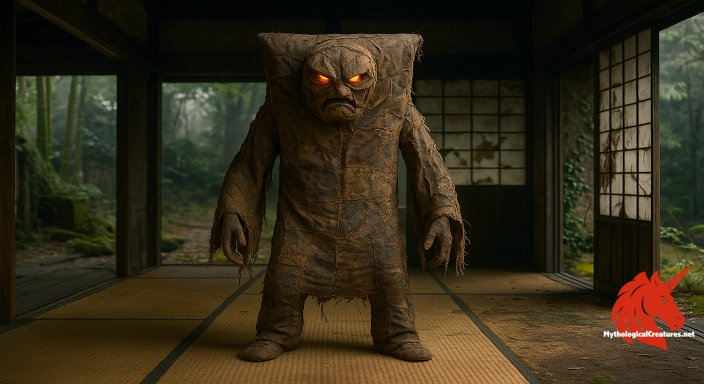
Dare to Meet the Boroboroton....
Curated by the Mythological Creatures Team
Series editor: Mythological Creatures Directory
Primary desk: Asian & Pacific Myth Cycles Desk
(rev. November 2025)