
Adze: The Adze is a vampiric being from Ewe folklore in Togo and Ghana.
-e3247ff5-63da-4335-a840-b790972d2a46_small.webp "Adze - Serves as an explanation for unexplained illnesses and misfortunes, possibly linked to malaria, and reinforces societal fears of witchcraft.")
Adze
Adze - Serves as an explanation for unexplained illnesses and misfortunes, possibly linked to malaria, and reinforces societal fears of witchcraft.
the legend in five swipes.
the legend in five swipes.
When did people first speak of the Adze?
The adze is a formidable entity rooted in Ewe folklore, known for its dual existence as both a diminutive insect and a malevolent human-like spirit. It emerges from the rich traditions of the people in Togo and Ghana, where oral narratives have long intertwined the natural with the supernatural. This enigmatic creature is often depicted as a vampiric presence that thrives in the twilight between life and death. Its lore originally served to explain unexpected misfortunes and mysterious ailments occurring within tight-knit communities. The adze's transformation from a rare, glowing firefly to a deceptive, possessive human form adds an extra layer of dread and complexity to its myth. Community members recounted how this being could invade homes during the night, slipping through the smallest of cracks and keyholes. Such stories not only warned of literal dangers but also symbolised moral and social disruptions among neighbours and kin. Over time, the adze became emblematic of unseen forces that prey on weakness, weaving together lessons on both physical and spiritual vulnerability.
Adze: The Written Sources
Traditional narratives about the adze have been preserved through generations of oral storytelling, where elders and community members recounted its eerie escapades. Folklore, passed down through word of mouth, remains the primary source of information on this mystical creature rather than written records. Various story variants describe the adze either as an elusive firefly with sinister intent or as a cunning human impersonator with the power to possess. In many communities, diverse renditions of its tale have developed based on local experiences and interpretations of illness and misfortune. Some narratives highlight its ability to cause unexplained deaths and sickness, while others point to its role in provoking jealousy and social discord. Village rituals and communal warnings further solidified its presence in the cultural psyche. Moreover, certain narratives subtly intertwine the creature with explanations for widespread diseases, linking supernatural phenomena with natural occurrences. Contemporary retellings in plays and folk performances have added further variations, ensuring that no single interpretation fully encapsulates the adze’s multifaceted character. Despite these differences, the consistent themes of transformation and possession bind the various stories together. Each regional retelling contributes to a broader mosaic of understanding about the dangerous interplay between human frailty and malevolent supernatural forces.
Adze: Form, Powers and Weaknesses
In its natural state, the adze is said to appear as a diminutive firefly, exuding an otherworldly luminescence that sets it apart from its mundane counterparts. The light it emits is often described as unsettling, with a pulsating glow that seems to hint at concealed malice. Its delicate wings shimmer with an iridescent quality, reflecting a spectrum of eerie hues under the night sky. This spectral insect form is not merely attractive but also signifies something ominous lurking in the dark. When captured, the adze transforms into a human-like figure, a metamorphosis that leaves observers mesmerised and terrified alike. In this guise, its features are often depicted as unnervingly ordinary yet marked by an intense, penetrating gaze that betrays its sinister origins. Some accounts detail a slender, almost elongated form, while others speak of a more compact and heavily built silhouette. The creature’s ability to oscillate between two diametrically different appearances underlines its supernatural abilities and further confounds those who encounter it. The vivid contrasts between its insect form and its human guise not only add to its mystique but also symbolise the blurred boundaries between nature and the paranormal.
How do regional versions of the Adze differ?
Across various regions of Togo and Ghana, the portrayal of the adze shifts subtly to reflect local socio-cultural contexts and environmental influences. In some communities, the creature is intricately linked with the notion of witchcraft and is thought to be the embodiment of forbidden or disruptive energies. Rural hamlets often recount tales where the adze is blamed for a sudden crop failure or unexplained illnesses, integrating it into broader community taboos about misfortune and envy. In other areas, local traditions accentuate its ability to infiltrate homes through the tiniest openings, thereby reinforcing the concept of unavoidable fate. The specific rituals designed to repel this entity differ from one village to another, showing a remarkable adaptability in its mythos. Some communities even incorporate the legend of the adze in annual festivals and cautionary dramas, using it as a powerful allegory for internal community strife. While its capacity for transformation and possession remains a constant, regional narratives often vary in tone—from veneration of its mysterious power to outright fear of its corrupting influence. Even subtle linguistic variations in naming the creature highlight its integration into distinct local identities. These regional differences demonstrate how the adze mirrors the unique challenges and social dynamics faced by the Ewe people in different parts of their cultural landscape. Each local adaptation enriches the overall tapestry of its lore, ensuring that the myth remains deeply embedded in the community’s collective memory.
Does another culture have a figure like the Adze?
When examined through a comparative lens, the adze bears intriguing resemblances to various other mythological beings that straddle the line between the natural and the supernatural. Its dual existence—a benign insect by day and a possessor of souls by night—recalls similarities with European vampire legends that also embody the capacity for transformation. In African mythology, creatures like the impundulu and tokoloshe share attributes of shapeshifting and the disruption of normal life, creating a multifaceted dialogue about malevolence in everyday existence. The motif of an entity slipping into a familiar human setting while harbouring concealed, otherworldly traits is a recurring theme that invites cross-cultural comparison. Like many legendary beings that symbolise hidden dangers, the adze challenges the boundary between the visible and the invisible in daily life. Its ability to incite both fear and social ostracism parallels the role of similar entities in other traditions, where outsiders or the morally ambiguous are marked by inexplicable misfortunes. The creature’s nocturnal activity and association with blood further align it with a global archetype of the predatory night spirit. Such comparisons illuminate how disparate cultures use myth to conceptualise and cope with inexplicable phenomena, whether they be moral or natural. In contrasting these varied depictions, it becomes clear that the adze is part of a broader narrative pattern, uniting the themes of transformation, danger, and the unseen in the human experience. This cross-cultural network of legends reinforces the universal appeal of stories that explore the liminal spaces between human experience and supernatural horror.
Where do you see the Adze today?
The historical evolution of the adze myth showcases its enduring ability to adapt to shifting cultural and social landscapes. Its earliest forms, rooted in oral traditions, provided a framework for understanding the inexplicable and for assigning blame to unseen forces behind sudden misfortunes. As modern science began to explain natural phenomena such as malaria, the adze legend gradually took on additional layers of metaphor, linking supernatural attributes with real-world ailments. In contemporary West African society, the myth has transcended its original cautionary role, evolving into a symbol that both critiques and reflects on modern societal challenges. Artists, filmmakers, and writers have reimagined its story, infusing the adze with new symbolic meanings that resonate with current anxieties about health, social injustice, and the erosion of traditional values. This modern reinterpretation has allowed the adze to become a versatile cultural emblem, embodying both past fears and present-day concerns. The transformation of its narrative from a literal explanation for unexplained death to a broader metaphor for societal decay demonstrates the dynamic nature of myth-making. Contemporary portrayals often present the adze as a tragic figure, whose duality reflects the complex interplay between good and evil within the human condition. In this way, the adze continues to inspire debate and creative reinterpretation, remaining a powerful symbol of the ever-changing dialogue between tradition and modernity.
Interesting Fact
The Adze legend may have originated as an allegory for the deadly effects of mosquito-borne malaria, explaining inexplicable deaths and illnesses in the community.
Mythological Treasures
Chinese Beasts: A field guide to the dragons and demon kings of Chinese myth
From river dragons to demon kings, with the legends that shaped five thousand years of storytelling.
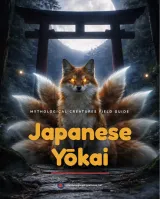
Japanese Yokai: A field guide to the spirits and demons of Japanese folklore
Fifteen spirits, with the signs to watch for and what the old tales say to do if you meet one.
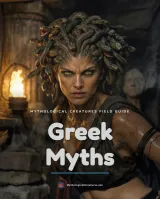
Greek Myths: A field guide to the monsters of ancient Greece
Every monster here earned its place in legend, and each gets a full page of artwork and the story behind it.
the legend in five swipes.
For authors, artists, and makers
Created something from the realm of myth?
If your book, deck, game, or artwork draws from legendary creatures and lore, you can showcase it here in a tasteful, year-round placement.
Share your projectQuick Creature Info
Origin:
Features:
Associations:
Our Mythic Legendary Rating:

Habitat:
Supernatural Powers:
Physical Attributes:
Abilities:
Behavior:
Weaknesses:
Lore:
Related Creatures, Tales or Lore
- AAsanbosam
- OObayifo
- TTikoloshe
References
Discover Another Mythical Legend You May Not Have Heard Of?
Uncover the mysteries of ancient folklore and expand your knowledge of legendary beings from cultures around the world.
Dare to Meet the Zahhak....

The Mythological Creatures Book Series
Yokai, Greek, Norse, Egyptian & Chinese. Five illustrated field guides to the creatures the old stories either warned or told you about.
Curated by the Mythological Creatures Team
Series editor: Mythological Creatures Directory
Primary desk: African & Diaspora Traditions Desk
(rev. November 2025)