
Aegle: Aegle is a name attributed to several distinct figures in Greek mythology, known for her radiant beauty and association with natural elements.
-bf973e72-3f65-4de4-8b51-472051b7fb3c_small.webp "Aegle - Embodies brightness, natural beauty, and the complex interplay between the divine and mortal realms")
Aegle
Aegle - Embodies brightness, natural beauty, and the complex interplay between the divine and mortal realms
Origins & First Encounters
Aegle is a multifaceted figure imbued with an ethereal radiance that has captivated storytellers since antiquity. Born of divine unions, she is linked to the brilliance of the heavens and the shimmering waters, a blend of solar splendour and aquatic beauty. Her name, meaning 'brightness' or 'dazzling light', hints at the luminous qualities that define her mythic presence. She appears in various roles – as a Naiad celebrated for her beauty, a sorrowful Heliad, one of the Hesperides, a lover entwined with Apollo’s destiny, a cherished companion of Theseus, and a nurturing figure for Dionysus. Early attestations of Aegle can be traced in ancient Greek texts where her narrative intertwines with themes of transformation, tragedy, and divine allure. Multiple traditions portray her as possessing an almost otherworldly glow that exceeds mortal beauty. Her origins seem to merge natural phenomena with the divine, leaving her message open to layered interpretations in different cultural contexts. The depth and diversity of her myth have allowed Aegle to endure as an emblem of light, love, and the inevitable interplay between mortality and transcendence.
Source Texts & Tale Variants
The figure of Aegle appears in a range of ancient texts and folklore that illustrate her varied identities and roles. Fragments from classical poets and mythographers have preserved her dual appearances as both a water nymph and a celestial being. Some accounts detail her as the dazzling Naiad born of Zeus and Neaera, while others recount her as one of the Heliades, whose sorrowful metamorphosis into poplar trees marks a poignant moment in myth. Additional traditions, embedded in the lore of the Hesperides, confer upon her an association with the golden twilight and the garden of the gods. Aegle’s narrative further extends into the realm of tragic love as she is identified with Coronis, whose fate is interlinked with Apollo. Lesser-known yet compelling versions celebrate her as a captivating consort to Theseus, whose affections led him to forsake Ariadne. Her role as the nurse of Dionysus is noted in select sources and hints at a maternal aspect that nurtures vitality and rebirth. Each variant, supported by scant yet evocative references in ancient literature, contributes to a composite portrayal that invites ongoing interpretation and scholarly reflection.
Form & Powers
The physical depictions of Aegle vary in accordance with the aspect of her myth being emphasised, yet a common motif of luminosity and graceful beauty persists throughout. As the Naiad, she is described with an almost incandescent complexion that mirrors the sparkle of fresh water and the glint of sunlight on a rippling stream. Her eyes, often noted as deep and reflective, seem to capture the mystery of both the heavens and the earth. In artistic representations, her form is slender and elegantly proportioned, exuding an ineffable charm that elevates her from mortal comparisons. When portrayed as one of the Hesperides or as Coronis, her physical features are rendered with enhanced classical beauty, her delicate contours framed by flowing hair that suggests the movement of divine light. In some versions of her myth, particularly the story of the Heliades, the transformation into poplar-like attributes bestows her with a stately and melancholic silhouette that embodies both loss and eternal remembrance. Balanced between strength and fragility, her form is crafted to celebrate the interplay of natural splendour and transcendental grace. Each portrayal, whether emphasizing her soft, water-born allure or her dignified, transformed essence, serves to magnify the inherent radiance that her name implies.
Regional Faces
Regional interpretations of Aegle reveal a rich tapestry of local colour and varying emphasis on her divine aspects. In coastal and riverine communities, her identity as a Naiad is celebrated in the context of nature worship, where her beauty is closely associated with the life-giving properties of water. In contrast, areas with strong solar cults place emphasis on her connection with Helios, often interpreting her radiance as a symbol of the sun’s warming and purifying power. Certain local traditions in the Peloponnese and Central Greece have merged her role with that of other luminary figures, highlighting her as both a nurturer and a harbinger of tragic change. Communities that have retained oral folklore recount her metamorphosis in ways that echo the cyclical patterns of nature, celebrating her grief and rebirth as part of seasonal lore. Interpretations in regions with a rich tradition of arboreal symbolism have accentuated the version of Aegle who transforms into a poplar tree, linking her with themes of memory and enduring nature. Local art and ritual in some locales have integrated her image into celebrations of both spring and the waning light of autumn, underscoring her dual aspect of growth and inevitable decline. The regional diversity in her portrayals highlights how local beliefs and environmental factors have continuously reshaped the narrative of Aegle over time.
Cultural Parallels
Aegle’s portrayal is part of a larger mythological pattern where divine beauty and luminous power are central themes across various cultures. Her radiant qualities and mutable nature bring her into conversation with figures such as Aurora in Roman lore, who similarly personifies the break of dawn and the promise of new beginnings. Like her, the Celtic water spirits and nymphs embody the fusion of natural beauty with otherworldly mystique, serving as symbols of both life and ephemeral change. In Eastern traditions, analogous deities resonate with the idea of inner brilliance and transformation, echoing Aegle’s capacity to evolve and inspire profound emotional responses. Comparative analysis reveals that her sorrow-linked transformation mirrors broader mythic themes where beauty is intertwined with melancholy, as seen in narratives of metamorphosis across diverse mythologies. Her multiple identities, ranging from a celestial nymph to a sorrowful tree, parallel the layered imagery found in both Middle Eastern and Indian myth, where dualities of creation and transformation are celebrated. These cross-cultural similarities underscore the universal human fascination with beauty, loss, and the cyclical nature of existence that Aegle so profoundly encapsulates. Such comparisons not only highlight the uniqueness of her myth, but also affirm the shared symbolic language that permeates mythological traditions globally.
Legacy & Modern Evolution
The legacy of Aegle has evolved steadily, reflecting the changing artistic, literary, and cultural landscapes from ancient times to the modern era. In antiquity, she stood as a symbol of radiant beauty and multifarious identity, a muse for poets and artists who sought to illustrate the delicate interplay of light and nature. Through the Renaissance, her myth underwent reinterpretation in art and literature, with frescoes and paintings often capturing her luminous presence against serene, pastoral backdrops. In modern adaptations, Aegle’s multifaceted persona is frequently embraced as an emblem of transformation, resilience, and the fleeting nature of beauty. Contemporary storytellers and visual artists have reimagined her attributes to reflect modern sensibilities, sometimes aligning her with themes of rebirth and inner strength. Her narrative is used to explore the complex dynamics of love, loss, and the inevitable passage of time, further cementing her as a compelling archetype in mythic storytelling. Recent scholarly interest has also focused on how her diverse portrayals challenge singular interpretations of myth, encouraging a view of ancient narratives as living, evolving entities. Today, Aegle remains a potent symbol in cultural discourse, inspiring reinterpretations that resonate on both personal and collective levels, ensuring her presence endures as an icon of radiant transformation.
Interesting Fact
The multiplicity of figures named Aegle illustrates the fluidity of myth in ancient Greek culture, reflecting how differing regional and literary traditions converge on similar archetypes of beauty, light, and transformation.
For indie creators
Give your myth project a permanent home
Indie authors, artists, small studios, and makers can secure an annual, non-intrusive sponsor slot that meets readers where they explore.
Obtain more informationQuick Creature Info
Origin:
Associations:
Our Mythic Legendary Rating:

Also Sometimes Known As:
Habitat:
Supernatural Powers:
Physical Attributes:
Abilities:
Behavior:
Lore:
Related Creatures, Tales or Lore
References
Discover Another Mythical Legend You May Not Have Heard Of?
Uncover the mysteries of ancient folklore and expand your knowledge of legendary beings from cultures around the world.
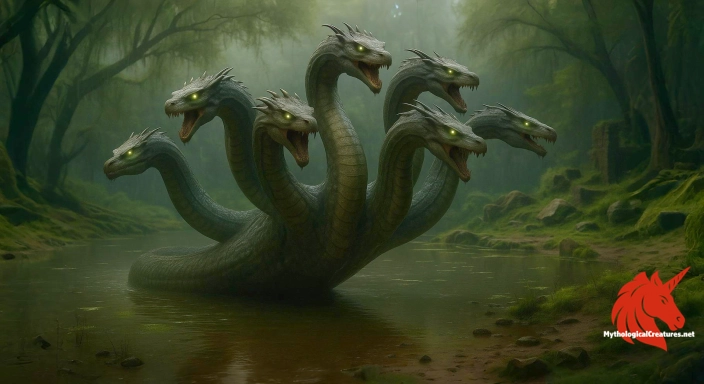
Dare to Meet the Lernaean Hydra....
Curated by the Mythological Creatures Team
Series editor: Mythological Creatures Directory
Primary desk: Hellenic & Ancient Mediterranean Desk
(rev. November 2025)