
Agares: Agares is a demon featured in various demonological grimoires and is recognised as a Duke of Hell.
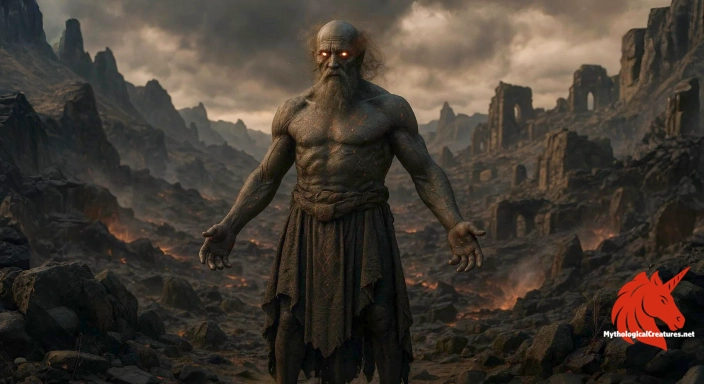
Agares
Agares - Agares plays a key role in demonic hierarchies and is invoked in occult rituals for his control over earthly and spiritual domains.
the legend in five swipes.
the legend in five swipes.
Agares: Origins and First Sightings
Agares is a demon whose legacy emerges from the labyrinth of medieval demonology and occult tradition, standing as a testament to mankind’s enduring fascination with the forces of chaos. He appears in a variety of demonological grimoires where his various names—Agarus or Agarat—reflect the evolving nature of esoteric lore. His presence is interwoven with rituals and practices that sought to harness the unpredictable energies of the infernal realms. Long associated with both destruction and transformation, he has been portrayed as a powerful agent capable of influencing the natural order. His early mention in grimoires suggests a deep-rooted cultural context where the fear and allure of the unknown coexisted. Over centuries, his mythos has been enriched by interpretations that blend symbolic commentary with literal accounts of supernatural power. The narrative surrounding Agares is complex, resonating with themes of decay, renewal, and the double-edged nature of power. Ancient texts situate him within a hierarchy of demons that both terrify and captivate, reflecting the psychological and societal conflicts of his time. His enduring depiction as a formidable demonic figure underscores the persistent human interest in the interplay between order and upheaval. Throughout the ages, Agares has grown from a mere name in shadowy manuscripts to a richly symbolised emblem of the occult.
Which texts first mention Agares?
The primary references to Agares are found in renowned grimoires such as the Lesser Key of Solomon and the Pseudomonarchia Daemonum, where he is listed among the most potent infernal entities. Early demonological texts document his role within elaborate conjuration rituals, offering detailed instructions on how to command his services. These sources present narratives in which his abilities include inducing natural disturbances and retrieving that which is lost. Variations in his story abound, with some manuscripts attributing to him the power to not only cause calamities like earthquakes but also to influence the destinies of those who invoke him. Over time, additional occult compendiums further diversified his character, blending oral traditions with scribal reinterpretations. Stories woven around his persona often reflect an undercurrent of mystery that challenges the clear demarcation between myth and practice. The multiplicity of his depictions in texts highlights how his image was subject to the creative and practical needs of practitioners. In later occult literature, the focus on his legend has sometimes shifted from pure malevolence to aspects of transformation and guidance. His recurring presence in these sources demonstrates the dynamic ways in which mythic figures were adapted across different epochs. The enduring documentation of Agares across grimoires solidifies his position as a central figure in demonological studies.
Agares: Size, Shape and Strange Features
Traditional descriptions of Agares offer a vivid tableau of a being marked by both dignified age and unsettling ferocity. He is often depicted as an elderly figure with a long, flowing beard and eyes that sparkle with both wisdom and an unspoken menace. Some accounts describe him riding a formidable crocodile, an image that symbolises his dominion over both the ancient and the unruly forces of nature. His attire is usually rendered in ornate, somewhat archaic garments inscribed with arcane symbols, alluding to his high standing amongst demonic entities. Reported variations in his portrayal sometimes include subtle animalistic features, hinting at a hybrid nature that marries human intellect with beastly instinct. This combination of refined and feral aspects serves to underscore his multifaceted character. The juxtaposition of frailty and strength in his physicality mirrors the very essence of transformation that he embodies. In many illustrations, his visage is marked by intricate details—a weathered countenance imbued with secrets of the occult and an aura that elicits both fear and reluctant respect. Even the depiction of his mount adds to the overall menacing allure, reinforcing the idea of an untamed spirit that commands respect. His detailed physical portrayal remains a subject of fascination for both occult scholars and artists alike.
What regional forms of Agares exist?
Interpretations of Agares have not remained static, as his legend has been adapted by various cultural and regional traditions over time. Western European grimoires laid the foundation for his character, yet local occult traditions from the Mediterranean to Northern Europe have imbued him with distinctive nuances. In some Mediterranean adaptations, his role is interlaced with ancient local deities, blending demonic traits with elements of natural fertility and destructive power. Eastern esoteric frameworks, while less explicit, occasionally incorporate aspects of his myth to represent the dual forces of chaos and order. The influence of colonial encounters is evident in more modern reinterpretations across the Americas, where his persona is sometimes merged with indigenous narratives of transformation and spiritual trial. In various local adaptations, practitioners have reinterpreted his attributes to reflect contemporary concerns about the natural world and societal upheaval. Even within occult circles, variations of his legend are explored to illustrate wider themes of mystical transformation. Such regional variations not only highlight the flexibility of demonic lore but also demonstrate the universal human inclination to personify nature’s unpredictable forces. Diverse cultural perspectives continually reshape his attributes, ensuring that his image remains as fluid and varied as the traditions that keep his legend alive. The regional adaptations of Agares stand as a testament to the dynamic nature of myth-making across different societies.
What figures resemble Agares?
Agares occupies a unique niche in the tapestry of global demonology, offering points of comparison with a variety of mythological figures from disparate cultures. His ambiguous nature, straddling the realms of chaos and transformation, invites parallels with trickster figures in other traditions who both disrupt and enlighten. Similar to the dual roles played by figures in classical Greco-Roman mythology, his character embodies contradictions that challenge the clear division between good and evil. Comparisons with other infernal dukes in Western occult texts reveal a shared motif of command over legions of lesser spirits, a common theme that underscores the organised yet subversive order within the demonic hierarchy. His dominion over natural phenomena ties him to archetypal depictions of deities who personify the tempestuous and uncontrollable forces of nature. In some ways, his capacity to instigate both fruitful transformation and disastrous decay aligns him with broader cultural metaphors found across Indo-European mythologies. The adaptability in his character allows for cross-cultural interpretations, positioning him alongside other spirits whose roles are multifaceted and symbolically rich. As scholars compare such figures, they note that the thematic overlap centers around a universal grappling with life’s inherent instability and the potential for rebirth. These comparative insights contribute to a deeper understanding of how demonic figures serve as allegories for human struggles against entropy and rebirth. The intertextuality of his narrative enriches the understanding of global mythological traditions and the enduring nature of symbolic oppositions.
Agares in Modern Culture
The historical evolution of Agares’ depiction mirrors broader trends in the interpretation of demonic entities across successive eras. Early treatises rooted in medieval mysticism cast him as a fearsome catalyst of both calamity and renewal, embodying the volatile energies that early occultists sought to control. As demonological literature advanced, his image evolved from a strict personification of malevolence to a more layered symbol of transformation and hidden wisdom. Modern reinterpretations in literature, film, and popular occult practices often recast him as a complex figure, where his perceived capacity to disrupt is balanced by a potential for empowerment. Contemporary occult traditions have embraced the ambiguity of his nature, using his myth to explore themes of inner alchemy and renewal. Artists and writers in the modern era have drawn inspiration from his richly ambiguous character to address both the beauty and the terror inherent in the unknown. His enduring presence in role-playing games, graphic novels, and digital media further attests to the lasting impact of his mythos. The reimagining of Agares in modern contexts reflects a shift toward a more symbolic and introspective understanding of demonic forces. As his legacy is continuously reshaped by new cultural and artistic movements, his story remains a focal point for debates about the interplay between order and chaos. Ultimately, the evolution of his depiction underscores the dynamic relationship between myth, power, and the human psyche.
Interesting Fact
An interesting aspect of Agares is the juxtaposition of his malevolent nature with his role in facilitating the return of lost individuals, revealing a complex interplay between destruction and utility in demonology.
Mythological Treasures
Greek Myths: A field guide to the monsters of ancient Greece
Every monster here earned its place in legend, and each gets a full page of artwork and the story behind it.
Norse Sagas: A field guide to the beasts of the Viking world
Drawn from the saga accounts themselves, with the powers, weaknesses and doom of each being set out.
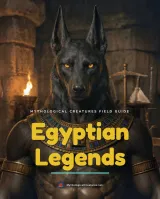
Egyptian Legends: A field guide to the gods and monsters of ancient Egypt
Guardians of the living and devourers of the dead, with the role each played in judgement.
the legend in five swipes.
For myth educators and toolmakers
Built a resource for mythology learners?
If you offer courses, teaching tools, or research platforms focused on myth and folklore, consider a discrete placement on our reference pages.
Introduce your resourceQuick Creature Info
Features:
Associations:
Our Mythic Legendary Rating:

Also Sometimes Known As:
Habitat:
Supernatural Powers:
Physical Attributes:
Abilities:
Behavior:
Weaknesses:
Lore:
Related Creatures, Tales or Lore
- PPaimon
- BBuer
- MMarbas
References
Discover Another Mythical Legend You May Not Have Heard Of?
Uncover the mysteries of ancient folklore and expand your knowledge of legendary beings from cultures around the world.
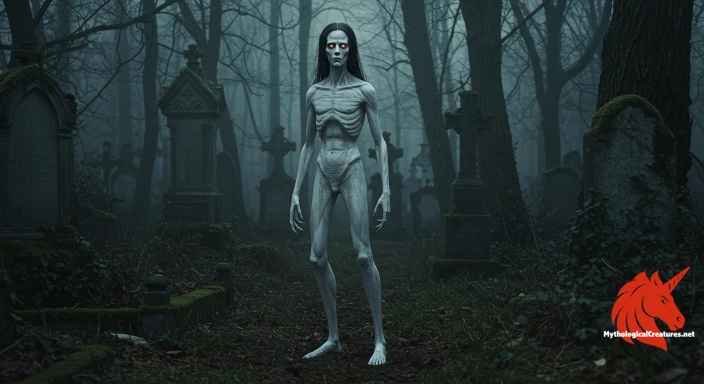
Dare to Meet the Lidérc....
The Mythological Creatures Book Series
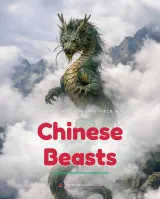
Yokai, Greek, Norse, Egyptian & Chinese. Five illustrated field guides to the creatures the old stories either warned or told you about.

Curated by the Mythological Creatures Team
Series editor: Mythological Creatures Directory
Primary desk: Hellenic & Ancient Mediterranean Desk
(rev. November 2025)