
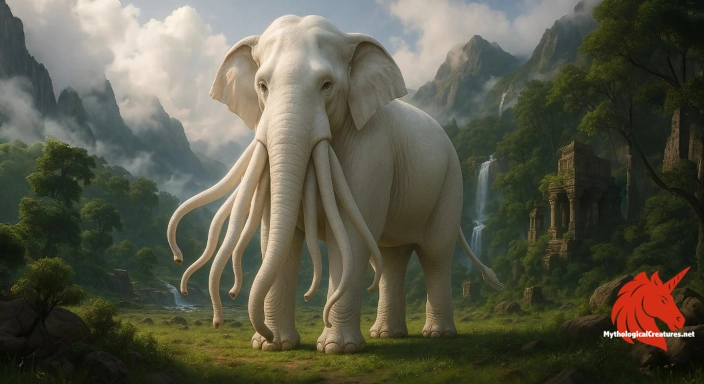
Airavata: Airavata is a divine white elephant from Hindu mythology, renowned for his four tusks, seven trunks, and majestic aura.
Airavata
Airavata - Symbolises divine strength, wisdom, and the connection between the earthly and celestial realms.
the legend in five swipes.
the legend in five swipes.
When was Airavata first written about?
Airavata is a magnificent emblem of divine majesty that has flourished within the deep reservoirs of Indian mythology. Born of celestial origins and linked intimately to the goddess Iravati, this majestic elephant embodies the splendor and power of the heavens. His early attestations in sacred texts place him squarely at the intersection of myth and ritual, where the divine is both celebrated and revered. Over centuries, Airavata’s depiction as the regal vehicle of Indra has become central to the cultural imagination across ancient Indian society. His lore is imbued with symbols of purity and cosmic order, evident in his luminous white complexion and inimitable form. The narratives surrounding him not only exalt his physical prowess but also encapsulate the ideals of protection and strength. As one of the foremost representations of the celestial realm, his story has evolved with changing traditions and social values. Airavata continues to capture the fascination of those who seek to understand the divine interplay between nature and the supernatural.
What are the earliest texts about Airavata?
The rich tapestry of texts that mention Airavata spans several centuries and diverse literary traditions. Ancient scriptures, including portions of the Vedas and Puranas, reveal glimpses of his divine association and celestial role. Epic narratives such as the Mahabharata provide instances where his identity intermingles with stories of gods and cosmic battles. Variants of his tale emerge in folk traditions and temple inscriptions, each adapting his myth to the local cultural and spiritual milieu. He is often invoked under his many epithets, with names like abhra-Matanga and Arkasodara underscoring different facets of his identity. Some texts even hint at his familial bonds and relationships, such as the mention of his wife, Abhramu, adding layers to his mythological persona. The multiplicity of sources enriches our understanding, suggesting that his legend was shaped by collective memory and evolving religious sensibilities. With each retelling, the narrative of Airavata gains renewed significance, echoing through the passages of time and tradition.
What abilities did Airavata have?
Airavata is portrayed as an extraordinary creature whose physical form defies mortal limitations and resonates with divine beauty. His four majestic tusks curve elegantly, each one a testament to his formidable strength and regal bearing. The presence of seven trunks is not only a symbolic motif but also an artistic device that magnifies his supernatural character, each trunk representing a unique facet of his essence. His lustrous white skin seems to shimmer with the light of celestial realms, symbolising purity and the sublime nature of the divine. Ancient iconography captures him in dynamic poses that highlight both power and grace, as if every anatomical detail was crafted to inspire awe. The intricate play of muscle and form, rendered in carvings and murals, underscores a tradition of deep artistic reverence. His eyes, often depicted as gentle yet commanding, imbue his image with a sense of wisdom and eternal vigilance. The detailed descriptions found in myth and art ensure that every nuance of his form continues to evoke a profound sense of wonder and divinity.
Airavata: The Same Figure in Different Places
Across the vast landscapes of South and Southeast Asia, the portrayal of Airavata undergoes fascinating regional adaptations that mirror local cultural identities. In the Indian subcontinent, he appears in temple sculptures and literary texts as a symbol of Indra’s might, resplendent in his pure white form and awe-inspiring anatomy. In Thailand, his myth is reimagined through the figure of Erawan, where regional art emphasises a blend of elegance and venerable strength that resonates with local beliefs. Southeast Asian traditions often infuse his portrayal with intricate decorative motifs that reflect indigenous artistic sensibilities and spiritual values. In some narratives, his multiple trunks take on additional symbolic meanings related to the control of natural elements such as rain, wind, and cloud. The legends in regions like Indonesia and Cambodia interlace his divine identity with local folklore, underscoring his guardian role over both the earthly and celestial realms. These cultural reinterpretations highlight a deliberate effort to localise his mythos for different audiences while maintaining his core symbolism. As a result, Airavata’s image remains simultaneously dynamic and adaptable, echoing the diverse mythological traditions of the broader region.
Legends Comparable to That of Airavata
Airavata stands as a paragon of divine animal imagery, inviting comparison with numerous other mythological creatures across cultures. His celestial association and role as a mount for the king of gods draw a parallel with revered animals found in various Eastern traditions, such as the white elephants celebrated in Thai and Burmese lore. While his physical grandeur is unique with its seven trunks and four tusks, the concept of a divine beast carrying a deity appears in motifs from both Hindu and Buddhist narratives. His depiction resonates with themes of power and benevolence that are also found, albeit in different forms, in the mythic horses and other stately creatures of Greco-Roman tradition. The symbolism behind his luminous form and commanding presence finds echoes in other cultural tales where noble beasts reflect societal aspirations and celestial order. Comparably, the veneration of elephants in other contexts—be it in royal iconography or proverbial expressions of strength—reinforces a shared cultural appreciation across borders. Each mythic narrative adapts the emblematic features of these creatures to convey messages of spiritual and earthly might. This cross-cultural dialogue reinforces the idea that the divine, whether expressed through an elephant or another creature, serves as a bridge between the human and the transcendent.
Airavata: From Folklore to Pop Culture
The legacy of Airavata has evolved remarkably over the millennia, retaining its relevance while adapting to contemporary sensibilities. His myth has travelled through the ages, embodying the synthesis of art, religion, and cultural identity in both ancient manuscripts and modern visual media. Over time, depictions of this divine elephant have flourished across temple walls, classical literature, and ritual performances, each iteration adding layers to his mythic resonance. As modern reinterpretations emerge in films, animations, and digital art, Airavata continues to inspire creative reimaginings that underscore the timeless appeal of myth. Contemporary audiences often regard him as a symbol of wisdom and environmental guardianship, bridging the gap between myth and modern ecological consciousness. His image, deeply rooted in traditional symbolism, remains a potent reminder of humanity’s enduring bond with nature and the divine. Both traditional artists and modern creators draw upon his legendary form to explore themes of cosmic order and metaphysical beauty. This evolving narrative illustrates how ancient mythologies can adapt to modern contexts, preserving their potency while inspiring fresh perspectives on spiritual and cultural identity.
Interesting Fact
An interesting fact about Airavata is that his multiple trunks and tusks not only signify his might but also represent the varied aspects of nature and divinity, demonstrating how physical traits are imbued with cosmic symbolism in Hindu mythology.
Mythological Treasures
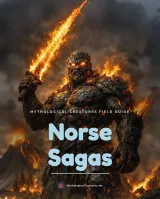
Norse Sagas: A field guide to the beasts of the Viking world
Drawn from the saga accounts themselves, with the powers, weaknesses and doom of each being set out.
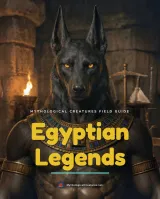
Egyptian Legends: A field guide to the gods and monsters of ancient Egypt
Guardians of the living and devourers of the dead, with the role each played in judgement.
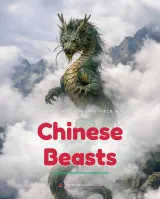
Chinese Beasts: A field guide to the dragons and demon kings of Chinese myth
From river dragons to demon kings, with the legends that shaped five thousand years of storytelling.
the legend in five swipes.
Advertising opportunity
Showcase your mythology project
We offer limited sponsor placements for books, courses, games, and creators aligned with our audience.
View partnership optionsQuick Creature Info
Associations:
Our Mythic Legendary Rating:

Also Sometimes Known As:
Habitat:
Supernatural Powers:
Physical Attributes:
Abilities:
Behavior:
Lore:
Related Creatures, Tales or Lore
- GGajendra
- EErawan
- WWhite Elephant (Buddhist symbolism)
References
Discover Another Mythical Legend You May Not Have Heard Of?
Uncover the mysteries of ancient folklore and expand your knowledge of legendary beings from cultures around the world.
Dare to Meet the Callichore....
The Mythological Creatures Book Series
Yokai, Greek, Norse, Egyptian & Chinese. Five illustrated field guides to the creatures the old stories either warned or told you about.
Curated by the Mythological Creatures Team
Series editor: Mythological Creatures Directory
Primary desk: Asian & Pacific Myth Cycles Desk
(rev. November 2025)