
Aitu: Aitu are Polynesian spirits and lesser deities often associated with malevolence and misfortune.
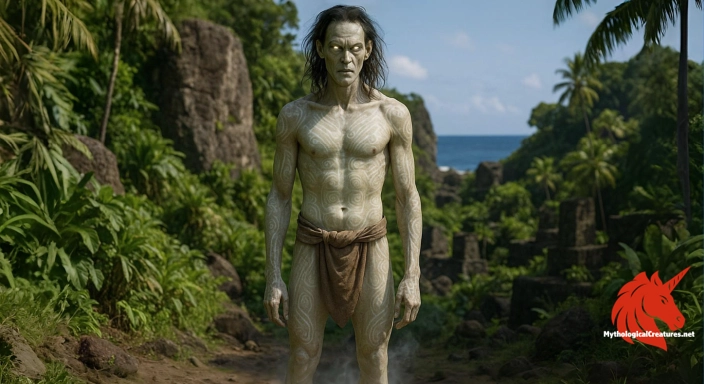
Aitu
Aitu - Aitu highlight the complex interplay between ancestral worship, natural phenomena, and supernatural malevolence in Polynesian cultures
Origins & First Encounters
Aitu is a term permeating Polynesian mythology that encompasses a spectrum of supernatural entities, ranging from benevolent spiritual guides to malevolent phantasms. Its origins lie deep within the linguistic traditions of both Western and Eastern Polynesia, where the concept has been interwoven with the cultural and spiritual fabric for centuries. It is often depicted as both a force of protection and a warning of misfortune, reflecting the complex interplay between the seen and unseen. In some traditions, aitu are celebrated as lesser deities who act as village or familial patrons, while in others they are feared as harbingers of sickness and calamity. Oral narratives, passed down through generations, attest to the diverse roles that aitu play in daily life and ritual practice. The concept even extends to the historical record in the Cook Islands, where ancient tribes bore the name and left a lasting legacy through myth and tradition. These early attestations, preserved through folklore and art, provide a vivid window into the Polynesian understanding of the spiritual realm. Rich in duality, aitu embodies both creativity and destruction, mirroring the inherent ambiguities of nature itself. Its continuing allure underscores a deep connection between the people and the mysteries of their natural world.
Source Texts & Tale Variants
Historical records of aitu emerge from an array of oral recitations, ritual chants, and localized mythic narratives that have been carefully passed down through the ages. Diverse island communities in Tonga, Maori regions, and Tahiti have contributed stories that portray these spirits as both benevolent deities and capricious ghost-like forces. Early chroniclers and oral historians recorded accounts where aitu were believed to have migrated from distant lands, such as Samoa, ultimately taking root in local legends. In the Cook Islands, ancient traditions even recount the arrival of tribes named Aitu, whose fates were entwined with the spiritual and physical landscapes they inhabited. Multiple versions of these narratives exist across Polynesia, each offering a unique perspective on the nature and purpose of aitu. The blend of myth and ritual in these sources creates a tapestry that reveals how integral these beings were to the societal and religious practices of the time. Ongoing research and linguistic studies have further highlighted links between these ancient records and modern interpretations. The evolution of these primary sources contributes to an enriched understanding of aitu’s multifaceted existence in indigenous mythology. This diverse body of tradition continues to foster a dialogue between the past and present, reaffirming the enduring influence of these spirits.
Form & Powers
Despite their ethereal nature, aitu are often attributed with distinct physical characteristics that bring them vividly to life in myth and art. They are frequently portrayed as shapeshifters, capable of assuming forms that range from human silhouettes enshrouded in a mysterious mist to striking representations of animals and plants. In Tongan traditions, these entities may appear as imposing figures whose formidable presence is both awe-inspiring and unsettling. Visual depictions sometimes reveal embellishments drawn from the natural world, such as lush foliage or iridescent plumage that symbolises their connection to the land and the sea. Maori portrayals, on the other hand, tend to emphasise their ghostly, shadow-like qualities, evoking an otherworldly presence that lingers at the periphery of human experience. Various artistic renditions capture fleeting features like luminous eyes and subtly shifting outlines, suggesting a constant transition between the corporeal and the abstract. Even though aitu are largely considered non-corporeal, local art and carvings infuse them with tangible traits that echo the mystery of natural phenomena. The ambiguity in their physical descriptions allows storytellers to adapt their depictions to suit specific cultural narratives and ritual settings. This interplay between visible form and intangible essence underscores the creative flexibility inherent in the portrayal of aitu.
Regional Faces
The interpretation of aitu varies considerably across different Polynesian and Austronesian regions, highlighting a rich tapestry of local adaptations and beliefs. In Tonga, for instance, aitu are revered as lesser deities who serve as both protectors and mischief-makers, often linked to migratory influences from Samoa. Maori traditions typically frame aitu as ominous spirits associated with calamity, illness, and misfortune, reflecting a darker aspect of the supernatural. In the islands of Tahiti and Rarotonga, the term is used with a degree of fluidity, sometimes denoting protective gods and at other times referring to ghostly apparitions. The historical narrative of the Cook Islands, where ancient tribes bore the name Aitu, provides a unique perspective that intertwines identity with myth. Smaller island communities further adapt these beliefs by ascribing aitu with roles tied to local landmarks and environmental phenomena. These regional interpretations not only shape the moral and ritual fabric of each culture but also reflect their distinct ecological and social realities. The cross-regional dialogue evident in these traditions highlights the dynamic manner in which indigenous cultures negotiate the presence of the supernatural. This rich variety exemplifies how local environments and historical contexts mould the character and function of aitu within each community.
Cultural Parallels
Aitu finds compelling parallels in numerous mythological traditions across the Austronesian world and beyond, revealing a shared human inclination to personify the unknown. Its similarities with the Filipino anito point to a common cultural practice of venerating ancestral and nature spirits that both protect and threaten. Comparable entities in Malaysian and Indonesian lore, often known as hantu, also embody dual characteristics that oscillate between benevolence and malevolence. These analogous figures demonstrate that, despite regional variations, many indigenous cultures utilise spirit beings to explain natural phenomena and moral ambiguities. The dualistic nature observed in aitu, where they can both nurture and destroy, is a recurring theme that resonates across diverse mythologies. This relationship underscores a broader archetypal role for supernatural entities as mediators between the natural and spiritual worlds. By situating aitu within this wider framework, one perceives a remarkable cross-cultural continuity in the way societies conceptualise the unseen. The comparative lens not only illuminates similarities but also enhances our appreciation for the unique nuances that each tradition brings to the narrative of spirit beings. Such an analysis reinforces the notion that aitu, while deeply localised, is also part of a universal dialogue about the mysteries of existence.
Legacy & Modern Evolution
The historical evolution of aitu reflects a shifting landscape of spiritual belief and cultural identity that spans centuries. Early narratives painted aitu as formidable forces capable of both protection and devastation, a reflection of the precarious balance between human endeavour and nature’s whims. Over time, the depiction of aitu has been reshaped by cultural exchange, colonial encounters, and the eventual syncretism with introduced belief systems. In the modern era, reinterpretations of aitu have emerged in literature, art, and performance, where these spirits are celebrated as vital links to ancestral heritage and indigenous wisdom. Contemporary artists and writers frequently draw on the myth of aitu to explore themes of identity, loss, and transformation, thereby offering fresh perspectives on age-old beliefs. This modern legacy is marked by a vibrant reimagining that softens some of the ancient malevolence while still honouring the enigmatic nature of these beings. Cultural festivals, exhibitions, and digital media have all contributed to a resurgence in the study and appreciation of aitu, reaffirming its symbolic resonance in a rapidly changing world. The reinterpretation of aitu as both an emblem of tradition and a dynamic cultural force highlights the resilience of indigenous cosmologies. Ultimately, the enduring legacy of aitu is a testament to its ability to adapt, inspire, and continue to invite both reverence and reflection.
Interesting Fact
The term 'aitu' not only signifies a spectrum of supernatural beings but also denotes ancient tribal identities, illustrating the multifaceted nature of Polynesian cultural and spiritual heritage.
Support the directory
Promote your myth project and fund more research
Sponsor placements help keep this directory growing and free to use while giving your work a focused, relevant audience.
Learn how sponsorship worksQuick Creature Info
Origin:
Features:
Associations:
Our Mythic Legendary Rating:

Also Sometimes Known As:
Habitat:
Supernatural Powers:
Physical Attributes:
Abilities:
Behavior:
Weaknesses:
Lore:
Related Creatures, Tales or Lore
- AAnito (Filipino)
- HHanitu (Bunun)
- HHantu (Malaysian/Indonesian)
References
Discover Another Mythical Legend You May Not Have Heard Of?
Uncover the mysteries of ancient folklore and expand your knowledge of legendary beings from cultures around the world.
Dare to Meet the Chromandi....
Curated by the Mythological Creatures Team
Series editor: Mythological Creatures Directory
Primary desk: Asian & Pacific Myth Cycles Desk
(rev. November 2025)