
Aitvaras: Aitvaras is a nature spirit from Lithuanian mythology depicted as a rooster with a fiery, meteor-like tail.
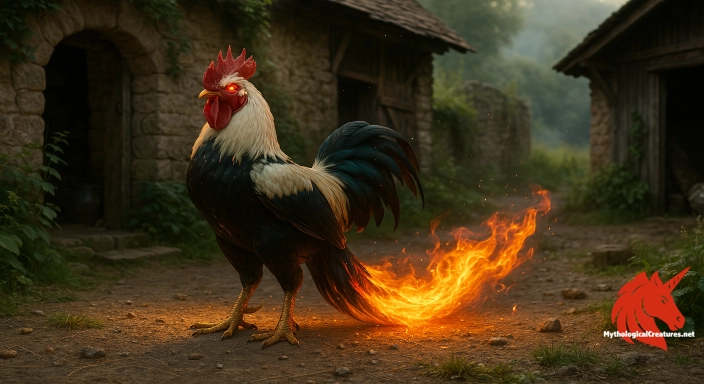
Aitvaras
Aitvaras - Embodies the duality of luck by providing stolen riches while also causing household troubles.
the legend in five swipes.
the legend in five swipes.
The Origin Story of the Aitvaras
The Aitvaras is a captivating nature spirit deeply entrenched in Lithuanian mythology, known for its fascinating dual nature that wavers between benevolence and mischief. It emerged from a rich tradition of oral storytelling that spans centuries, becoming a symbol both of prosperity and the capricious nature of luck. The creature is known by an array of names, such as Atvaras, Damavykas, and Sparyžius, reflecting diverse regional interpretations and the layered complexity of its character. Its earliest mentions arise from rural lore where elders shared its adventures and warnings with successive generations. Often depicted with the striking appearance of a white or black rooster sporting a fiery, meteor-like tail, it immediately commands attention and intrigue. Myths suggest that it hatches from the egg of a mature rooster, a detail that underscores its enigmatic and transformative origin. In many households, the Aitvaras is seen as a double-edged presence, delivering hidden treasures while also inviting unforeseen troubles. Its myth encapsulates not only the cycle of nature but also the delicate interplay between fortune and calamity in everyday life. Communities that have long embraced these stories see the Aitvaras as a living emblem of nature's unpredictable bounty. Over time, its legend has evolved, intertwining with cultural rites and the continuous reinterpretation of fate.
How did the story of the Aitvaras change over time?
Folk literature and richly preserved oral traditions form the backbone of the Aitvaras legend. Numerous tales recount encounters with this spirit, with storytellers embedding it into both domestic lore and broader mythological narratives. Written records appearing in folkloric compendiums from the 18th and 19th centuries capture fragments of these enduring stories. Each variant of the tale emphasises different aspects, presenting the creature as a guardian of hidden wealth or as a capricious force of misfortune. Manuscripts and regional anthologies have preserved subtle differences in how the Aitvaras is portrayed across various communities. Narratives collected by folklorists illustrate its role within the everyday lives of rural populations. These sources not only preserve the myth but also allow for a comparative exploration with similar beings in neighbouring cultures. The layered accounts reveal an intricate relationship between the creature and the domestic spaces it inhabits. Although some early records are sparse, the persistence of oral customs has ensured that its story remains vibrant and variable. This enduring record of tradition provides both historical insight and a testament to the cultural significance of the Aitvaras.
What was the Aitvaras believed to be capable of?
The Aitvaras is portrayed with an arresting physical presence that merges the familiar traits of a rooster with the fantastical features of a dragon. Its plumage is frequently described as either immaculate white or as deep, shadowy black, each hue carrying its own symbolic resonance. A defining hallmark of its appearance is the luminous, fiery tail that blazes like a meteor, adding an element of dramatic spectacle to its form. It is said that the creature originates from the egg of an elderly rooster, a detail that accentuates its inexplicable, magical transformation. Observers in the lore remark upon its intense gaze and the way its eyes seem to flicker with an otherworldly light. The physical form can vary significantly, sometimes appearing robust and formidable, while at other times it takes on a more diminutive and elusive aspect. Artistic depictions often highlight a blend of natural and supernatural characteristics, inviting both admiration and caution. The creature’s wings and feathers are rendered in vivid detail, symbolising movement and the unpredictability of its nature. Its metamorphosis at the moment of death, transforming into a mere spark, underscores a perpetual cycle of rebirth. Such a composite of fiery brilliance and mysterious transformation makes the Aitvaras an unforgettable figure in visual tradition.
How does the Aitvaras legend change from place to place?
The narrative of the Aitvaras adapts intriguingly across different regions within Lithuania and the broader Baltic area. In some local traditions, the spirit is imbued with more draconic qualities, reinforcing its association with elemental fire and turmoil. Other regional accounts focus on its role as a household guardian, often cherished for the bounty it brings while also being regarded with cautious respect. In neighbouring Latvia, lore identifies a similar being under the name Pūķis, indicating a shared cultural motif that transcends national boundaries. Variations in nomenclature, such as Koklikas and Gausinėlis, further highlight how local dialects and beliefs shape its portrayal. These regional differences not only colour the creature in distinctive ways but also deepen its symbolic significance. The local legends often tie the Aitvaras to agricultural cycles and seasonal rituals, reinforcing its importance in everyday life. Communities use the spirit as an emblem of both prosperity in harvest and the unpredictable forces of nature. Such subtle shifts in its depiction underscore the adaptability of the myth to diverse social and cultural landscapes. Ultimately, these regional adaptations illustrate how a single mythic figure can encapsulate a broad spectrum of local traditions and values.
What figures resemble the Aitvaras?
The Aitvaras shares intriguing similarities with household spirits and mythical beings in various cultures, underscoring universal themes of duality and transformation. Its unpredictable nature is reminiscent of the Slavic domovoi, a spirit also known for its protective yet capricious influence over the home. In a broader European context, it aligns with fire-associated entities whose presence embodies both creative and destructive power. Comparisons can be drawn to the phoenix myth, where the cycle of rebirth and fiery splendour conveys similar connotations of renewal and change. The creature also echoes elements found in East Asian lore, such as the cunning kitsune, both of which blur the lines between benevolence and mischief. Intercultural comparisons reveal that many traditions incorporate a motif of a guardian spirit whose gifts come with an underlying risk. This shared narrative dimension speaks to the human fascination with the balance between order and chaos in daily life. The blend of avian and draconic attributes in the Aitvaras mirrors hybrid creatures in other mythologies that challenge the limits of natural order. These cross-cultural parallels deepen our understanding of the Aitvaras as more than a local myth, yet as part of a global tapestry of legendary beings. Thus, its symbolic resonance extends beyond Lithuanian borders, inviting comparative study and reinterpretation across cultures.
How has the image of the Aitvaras evolved?
Over the centuries, the Aitvaras has undergone a significant evolution, reflecting changes in both artistic expression and collective belief systems. What began as a creature firmly rooted in rural superstition has gradually been reimagined by modern creators who find new layers of meaning in its dualistic nature. Contemporary literature and art frequently draw on its legendary attributes, framing the spirit as an emblem of the unpredictable interplay between fortune and adversity. Modern reinterpretations often set the Aitvaras against a backdrop of current societal challenges, where its fiery symbolism embodies both disruption and potential renewal. The transformation of its myth—from a cautionary tale told by elders to an enduring subject in creative mediums—illustrates its continued cultural relevance. Festival celebrations, visual art, and even digital media have embraced its enigmatic image, utilising the creature to explore themes of destiny and change. In an era where the boundaries between myth and modern symbolism blur, the Aitvaras serves as a dynamic icon that encapsulates the tension between cosmic order and chaos. Its depiction today invites audiences to reflect on the inherent unpredictability of life and the transformative power of nature. As scholarly and popular narratives converge, the legend of the Aitvaras continues to inspire and provoke reinterpretation. Ultimately, its legacy is a testament to the enduring power of myth to evolve and resonate across generations.
Interesting Fact
Aitvaras uniquely transforms into a spark upon death, symbolising the eternal cycle of energy and the seamless blend of the physical and spiritual realms in Lithuanian mythology.
Mythological Treasures
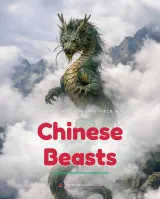
Chinese Beasts: A field guide to the dragons and demon kings of Chinese myth
From river dragons to demon kings, with the legends that shaped five thousand years of storytelling.
Japanese Yokai: A field guide to the spirits and demons of Japanese folklore
Fifteen spirits, with the signs to watch for and what the old tales say to do if you meet one.
Greek Myths: A field guide to the monsters of ancient Greece
Every monster here earned its place in legend, and each gets a full page of artwork and the story behind it.
the legend in five swipes.
Reach myth fans
Connect your myth-driven brand with this audience
Our readers are writers, educators, gamers, and collectors who care about mythology. Enquire about a limited sponsor placement on creature pages.
Enquire about sponsorshipQuick Creature Info
Features:
Associations:
Our Mythic Legendary Rating:

Also Sometimes Known As:
Habitat:
Supernatural Powers:
Physical Attributes:
Abilities:
Behavior:
Lore:
Related Creatures, Tales or Lore
- LLatvian Pūķis
References
Discover Another Mythical Legend You May Not Have Heard Of?
Uncover the mysteries of ancient folklore and expand your knowledge of legendary beings from cultures around the world.
Dare to Meet the Atingkok....
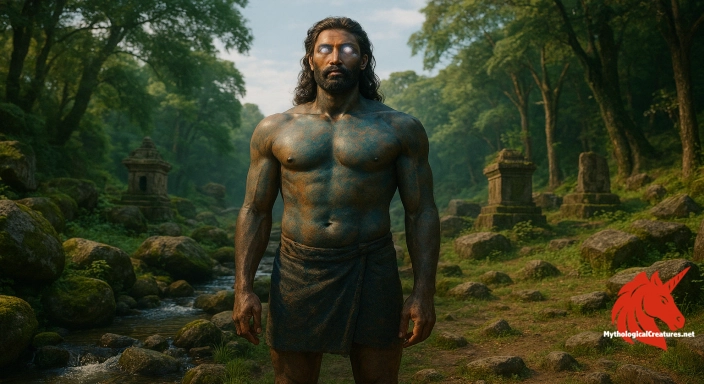
The Mythological Creatures Book Series
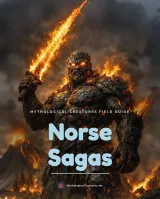
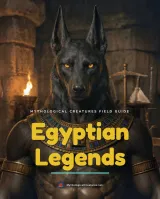
Yokai, Greek, Norse, Egyptian & Chinese. Five illustrated field guides to the creatures the old stories either warned or told you about.
Curated by the Mythological Creatures Team
Series editor: Mythological Creatures Directory
Primary desk: Northern & European Folklore Desk
(rev. November 2025)