
Akateko: Akateko is a traditional Japanese yōkai renowned in the folklore of Aomori, Kagawa, and Fukushima Prefectures.
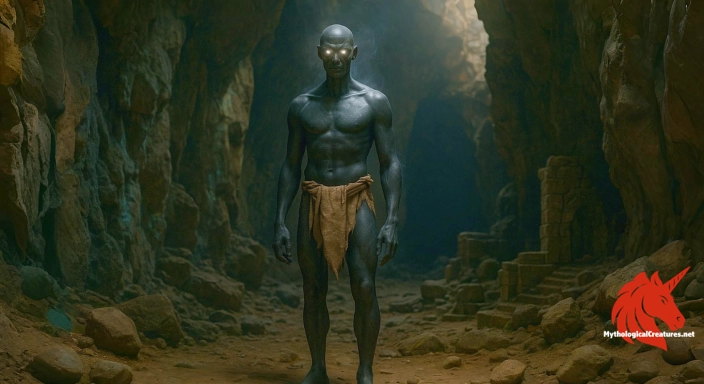
-947a7d50-20d9-4230-b0b3-ef83658eb358_small.webp "Akateko - Akateko is a regionally significant figure in Japanese folklore, symbolising the eerie and unexplained aspects of local myth.")
Akateko
Akateko - Akateko is a regionally significant figure in Japanese folklore, symbolising the eerie and unexplained aspects of local myth.
Origins & First Encounters
The Akateko is a mysterious figure whose chilling presence has long intrigued locals, embodying both the innocence of youth and the eerie aura of the supernatural. Born from the rich tapestry of Japanese yōkai lore, this creature finds its earliest echoes in the rural traditions of Aomori Prefecture, particularly around Hachinohe. It is said that the very name—translated as 'red child's hand'—hints at a paradoxical blend of vulnerability and threat. The legend’s origins are interwoven with local rites and the somatic memory of ancient festivals that celebrated and feared the unknown. Over time, these narratives have expanded, reflecting shifts in cultural moods and the passage of oral history from generation to generation. The lore surrounding the creature is not merely a tale of fright but also an emblem of the eerie beauty that can reside in the mundane. Communities once looked to the Akateko for indirect warnings and lessons wrapped in myth. Its delicate, almost ghost-like portrayal has become a symbol imbued with both caution and enigmatic allure. The story continues to evolve, mirroring modern society’s fascination with the paranormal while keeping its traditional roots intact.
Source Texts & Tale Variants
Historical documents and local folklore provide the primary strands from which the legend of the Akateko has been woven. Numerous manuscripts and oral traditions from Aomori, Kagawa, and Fukushima prefectures mention this spectral presence, each adding layers of detail to its myth. Some accounts stem from ancient local records, while others have been preserved through generations of storytelling in rural communities. Variants of the tale highlight differing emotional tones, with some versions painting it as a sorrowful remnant of lost childhood and others emphasising its role as a cautionary spirit. Local storytellers have often imbued the narrative with regional idiosyncrasies, ensuring that its appearance and actions resonate with local experiences. Folk art, including woodblock prints and regional sketches, has also contributed to the evolving image of the creature over centuries. Not all records tell the same story, and the discrepancies between versions create a complex mosaic of beliefs. Many modern compendiums of yōkai include the Akateko, often highlighting it as a representative of culturally significant fear and empathy. The enduring oral tradition in these regions ensures that each retelling adds a subtle new dimension to its mythos.
Form & Powers
The physical depiction of the Akateko is as striking as it is enigmatic, blending childlike features with unnerving supernatural elements. It is most famously symbolised by a disembodied red hand, a mark that is both captivating and foreboding. The creature is often illustrated with a slight, delicate frame reminiscent of a young child, yet its presence exudes an unsettling intensity that belies its small stature. Observers in folklore describe its skin as having an almost translucent quality, tinted with an eerie glow that reflects the colour of blood. Variations in its appearance have been noted, with some accounts depicting it as having ghostly, elongated fingers and wide, unblinking eyes that seem to search the dark for hidden truths. In some narratives, the creature’s hand appears oversized in comparison to its body, a detail that emphasises its otherworldly origins. The subtle interplay of innocence and menace in its physical form continues to fascinate those who study Japanese mythological art. This duality in characteristics has also inspired various artistic interpretations, each highlighting different aspects of its spectral allure. Its overall morphology, combining the fragile with the formidable, speaks volumes about the layered nature of traditional yōkai design.
Regional Faces
The legend of the Akateko diversifies significantly when viewed through the lens of regional variation. In Aomori, where the creature’s lore is most deeply embedded, the Akateko is often portrayed with an element of melancholic mystery, reflecting the subdued, introspective atmosphere of the local countryside. In contrast, accounts from Kagawa and Fukushima tend to stress a more overtly cautionary presence, where the creature serves as both a warning and a manifestation of unresolved local histories. Each region adapts the core tale to fit its particular cultural backdrop, imbuing the story with flavours that are distinctively local. In some communities, the appearance of the Akateko is intertwined with natural cycles, such as the changing seasons, which further colours its depiction. Rural narratives sometimes incorporate local festivals and rites that invoke the creature's memory, while urban retellings might allude to modern concerns of isolation and social alienation. These variations not only maintain the relevance of the myth but also ensure that its lessons resonate with a diverse audience. The differing portrayals echo broader regional attitudes towards the supernatural, where fear, respect, and even sorrow combine. Such diversity in representation underscores the adaptive power of folklore as it travels through time and space.
Cultural Parallels
The Akateko occupies a unique space in the pantheon of Japanese folklore, yet its characteristics draw fascinating comparisons with other supernatural entities within and beyond Japan. Like many yōkai, it straddles the line between benevolence and malevolence, exhibiting both childlike innocence and an unsettling aura of retribution. It finds kinship with creatures such as the Rokurokubi and the Kasa-obake, each of which embodies elements of the surreal and the inexplicable. Compared to these entities, however, the Akateko’s defining red motif imparts a distinctive sense of urgency and visceral impact. This motif can also be seen in certain European legends, where ghostly apparitions are often linked to themes of blood and sacrifice. The inherent ambiguity in its form and function serves as a common thread among many mythological beings that exist to both guard and unsettle their communities. By examining these similarities and differences, one appreciates how the Akateko encapsulates universal themes of human vulnerability and the spectre of the unknown. Its narrative complexity underscores a shared mythological language that spans cultural and geographical boundaries. In this way, the creature not only represents a piece of Japanese folklore but also contributes to the broader tapestry of global supernatural traditions.
Legacy & Modern Evolution
The evolution of the Akateko from obscure local lore to a recognised figure in modern cultural landscapes is a testament to the enduring power of myth. Early accounts, rooted in regional oral traditions, positioned the creature as an ominous omen, a spectral reminder of the mysteries that lie just beyond the realm of the known. As society progressed, the aesthetic and thematic elements surrounding the Akateko began to merge with modern artistic sensibilities, leading to its reimagining in contemporary media. Its image can now be seen in modern manga, anime, and various subcultural art forms where the blend of horror and beauty captivates a new generation. This reinterpretation has allowed it to resonate with modern audiences, who often view it as a symbol of lost innocence or the latent power of the unknown. Contemporary festivals and cultural exhibitions sometimes feature the Akateko, reaffirming its place as a bridge between tradition and modernity. Artists have also embraced its ambiguous nature, using it as a metaphor for the dual forces of creation and destruction. The creature’s transformation over time illustrates the dynamic evolution of folklore, adapting continuously to reflect the prevailing cultural milieu. Its legacy, thus, is not static but an ever-evolving narrative that continues to inspire both admiration and introspection.
Interesting Fact
The name 'Akateko' literally translates to 'red child's hand', a unique attribute that has cemented its place in the cultural imagination as a symbol of eerie and mysterious phenomena.
Curated sponsor space
One subtle banner. Thousands of myth lovers.
We offer a small number of curated sponsor spots for relevant books, courses, games, and art. No clutter, just well-matched partners.
Partner with usQuick Creature Info
Features:
Associations:
Our Mythic Legendary Rating:

Also Sometimes Known As:
Habitat:
Physical Attributes:
Behavior:
Lore:
Related Creatures, Tales or Lore
References
Discover Another Mythical Legend You May Not Have Heard Of?
Uncover the mysteries of ancient folklore and expand your knowledge of legendary beings from cultures around the world.
Dare to Meet the Supay....
Curated by the Mythological Creatures Team
Series editor: Mythological Creatures Directory
Primary desk: Asian & Pacific Myth Cycles Desk
(rev. November 2025)