
Akhlut: Akhlut is an orca-wolf hybrid from Inuit folklore, known for its ability to transform between a marine and a terrestrial form.
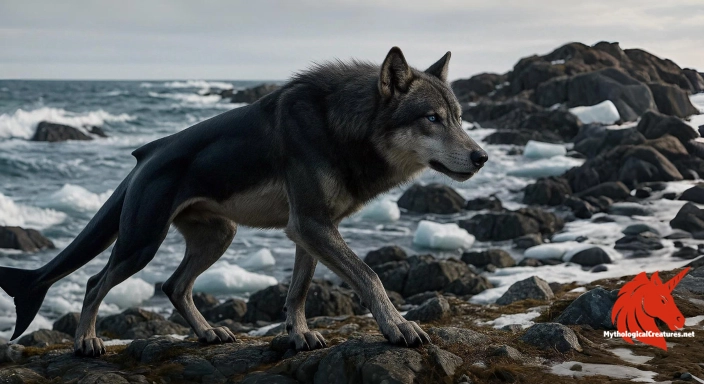
Akhlut
Akhlut - Embodies the connection between land and sea in Inuit mythology and highlights the blending of different natural forces
the legend in five swipes.
the legend in five swipes.
The First Records of the Akhlut
The akhlut is a fascinating composite creature embedded in the rich tapestry of Inuit folklore, embodying the power and mystery of both the sea and the land. Its legend appears to have originated in the oral traditions of Arctic communities, where the stark realities of the natural world demanded explanations that blurred the boundaries between animal species. Early attestations of the akhlut are found in the rich narratives handed down by elders, long before the advent of written records in the region. This creature is celebrated as a dynamic symbol of duality, reflecting the close relationship between the Inuit people and the forces of nature that surround them. The akhlut’s presence in folklore underscores not only the danger and beauty of both the marine and terrestrial realms, but also the harmonious balance that sustained life in the harsh polar environment. Its very name, resonating with the natural elements, reveals the deep spirituality and complex worldview of its creators. Over time, the creature has come to represent both a guardian of nature and a reminder of the fragility inherent in the natural world. The cultural significance of the akhlut continues to be a source of fascination and reverence, capturing the imaginations of those who encounter its story.
Where is the Akhlut written about?
The primary sources for the akhlut are embedded within the oral traditions of the Inuit, preserved through storytelling and passed down from generation to generation. These narratives, while varying from one community to another, provide a fascinating insight into the creature’s dual existence as both a land and sea predator. Some early ethnographic accounts recorded by explorers in the Arctic hinted at this being, although the details were often fragmentary and open to interpretation. Storytellers have crafted multiple variants of the akhlut legend, each enriched by local colour and environmental context. In some versions, the creature is depicted with additional supernatural attributes, igniting the imagination of its audience. The variations in these tales highlight the importance of personal experience and local tradition in forming a multifaceted myth. Although written documentation is limited, the recurring themes found in these stories suggest a consistent reverence for the creature’s power. The oral tradition ensures that the akhlut remains a living symbol within the cultural memory of the Inuit, continually adapted by each generation of storytellers.
What does the Akhlut look like?
The physical depiction of the akhlut is as dramatic and multifaceted as its legend suggests, merging the agile prowess of an orca with the terrestrial strength of a wolf. Its form in the water is reminiscent of the sleek, black and white contour of an orca, with streamlined features that evoke both grace and lethal efficiency. When it appears on land, the creature transforms into a wolf-like entity, with a thick, luxuriant coat and a muscular build that speaks of its predatory nature. The akhlut is often portrayed with a head that combines the sharp, angular features of a wolf with the mysterious, almost otherworldly eyes found in marine creatures. Descriptions frequently mention the presence of fin-like structures along its limbs and a tail that blends smoothly into a tail fluke when immersed in water. The duality of its appearance is highlighted by contrasting textures, where rugged fur gives way to a smooth, almost glistening skin in aquatic settings. Size variations are noted across different accounts, with some storytellers emphasising an imposing presence while others hint at a more elusive, agile form. Each detail in its physical description serves to reinforce the creature’s role as a bridge between two very different realms.
Which regions tell stories of the Akhlut?
Regional interpretations of the akhlut offer a broad palette of characteristics shaped by the specific environmental and cultural landscapes of the Arctic. In some Inuit communities across Greenland and northern Canada, the creature is revered primarily for its dominance in the icy waters, while in others, its mysterious ventures onto land are more emphasised. Local variants sometimes imbue the akhlut with additional attributes, such as luminous markings or unique vocalisations that distinguish its presence from everyday natural phenomena. In certain regions, the creature is depicted as a benevolent guardian, a protector ensuring the delicate balance between the harsh elements of the sea and the terrestrial wilderness. Meanwhile, other communities frame it as an omen of change, its rare appearances signifying shifts in the natural order. These regional adaptations reflect the varied ways in which the Inuit engage with their environment, utilising myth to explain both the known and the unknown. The evolving nature of its portrayal underscores how local experiences with nature influence the details of mythological narratives. Thus, the akhlut's legend is as much a mirror of regional identity as it is a universal symbol in Inuit folklore.
How does the Akhlut compare to figures in other traditions?
The akhlut stands alongside a host of mythological beings that embody the fusion of disparate natural realms, inviting comparisons across various cultures. Its dual nature as both a sea-dweller and a land-roamer resonates with the transformation themes present in European werewolf lore, albeit with a distinctly positive or ambivalent nuance. Similar shape-shifting creatures are noted in other indigenous traditions, where the fluid boundaries between animal forms underscore the intimate connection between humans and nature. For example, tales of mythic beings in Siberian and Native American traditions often highlight a spiritual versatility that is central to survival in extreme climates. The blending of orca and wolf characteristics in the akhlut is a unique fusion that echoes the broader motif of hybridity seen in mythologies where the animal world and the supernatural intersect. This creature’s ambivalent identity—both feared and revered—parallels figures in other folklores that serve as lessons in respect for nature's unpredictability. Comparisons with such entities reveal the profound human desire to capture the essence of transformation in myth. The akhlut, like its cross-cultural counterparts, ultimately functions as a symbolic answer to humanity’s perennial fascination with the forces lurking at the boundaries of life and nature.
Where does the Akhlut appear in films and games?
The historical evolution of the akhlut mirrors the broader trajectory of indigenous myth, transitioning from an orally transmitted legend to a potent symbol in modern art and environmental discourse. Its early presence in the folklore not only explained natural phenomena but also reinforced the spiritual bond between the Inuit community and the untamed world around them. Over time, the creature has been reinterpreted by contemporary artists and writers who embrace its dualistic nature as a metaphor for environmental balance and the interdependence of ecosystems. Modern adaptations have breathed new life into the akhlut, positioning it as an emblem of resistance in the face of ecological disruption. Today, the akhlut often appears in literature, visual arts, and even digital media, serving as a reminder of the ancient wisdom embedded within Inuit traditions. Its enduring legacy has also spurred renewed interest in preserving indigenous narratives and respecting the natural world. The creature’s myth has evolved to reflect not only historical truths but also modern anxieties about nature and the effects of climate change. In this way, the akhlut continues to captivate contemporary audiences as a living symbol, bridging the past and the present while inspiring a profound respect for nature’s complex character.
Interesting Fact
The Akhlut uniquely bridges the gap between land and sea, making it one of the few mythical creatures to embody the spirit of both environments in Inuit folklore.
Mythological Treasures
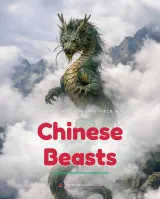
Chinese Beasts: A field guide to the dragons and demon kings of Chinese myth
From river dragons to demon kings, with the legends that shaped five thousand years of storytelling.
Japanese Yokai: A field guide to the spirits and demons of Japanese folklore
Fifteen spirits, with the signs to watch for and what the old tales say to do if you meet one.
Greek Myths: A field guide to the monsters of ancient Greece
Every monster here earned its place in legend, and each gets a full page of artwork and the story behind it.
the legend in five swipes.
Reach myth fans
Connect your myth-driven brand with this audience
Our readers are writers, educators, gamers, and collectors who care about mythology. Enquire about a limited sponsor placement on creature pages.
Enquire about sponsorshipQuick Creature Info
Origin:
Features:
Associations:
Our Mythic Legendary Rating:

Also Sometimes Known As:
Habitat:
Supernatural Powers:
Physical Attributes:
Abilities:
Behavior:
Lore:
References
Discover Another Mythical Legend You May Not Have Heard Of?
Uncover the mysteries of ancient folklore and expand your knowledge of legendary beings from cultures around the world.
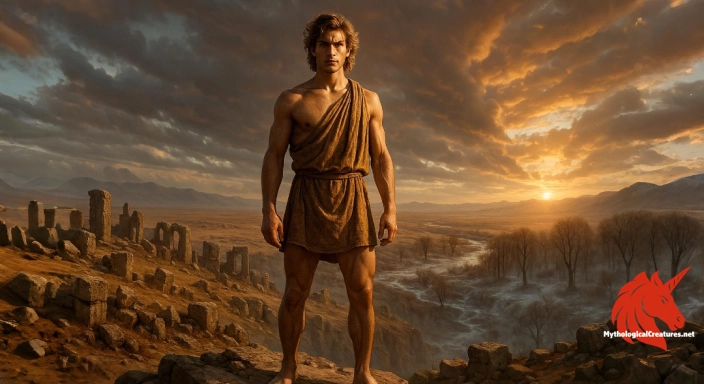
Dare to Meet the Phaethon....
The Mythological Creatures Book Series
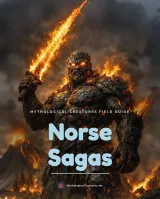
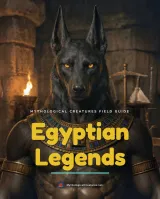
Yokai, Greek, Norse, Egyptian & Chinese. Five illustrated field guides to the creatures the old stories either warned or told you about.
Curated by the Mythological Creatures Team
Series editor: Mythological Creatures Directory
Primary desk: Americas & Indigenous Traditions Desk
(rev. November 2025)