
Phaethon: Phaethon is the tragic mortal son of Helios and Clymene in Greek mythology, renowned for his ill-fated attempt to drive the sun chariot.
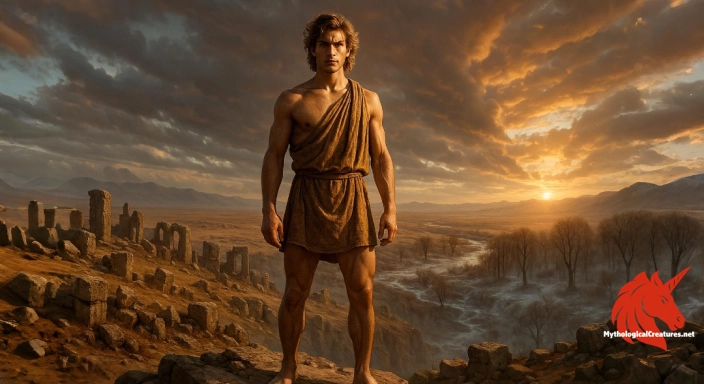
Phaethon
Phaethon - His story explains natural phenomena such as scorching deserts, frozen landscapes, and the origin of amber from his sisters' tears.
the legend in five swipes.
the legend in five swipes.
Phaethon: Origins and First Sightings
Phaethon emerges as a luminous figure intertwined with both divine radiance and human frailty in Greek mythology. Born to the sun god Helios and the Oceanid Clymene, his origin is steeped in the interplay of celestial power and mortal ambition. His quest to affirm his divine lineage led him to the very doorstep of heaven, where he boldly sought to commandeer the fiery chariot of the sun. This myth, rooted in early oral traditions and later polished in literary masterpieces, reflects a cultural fascination with the awe-inspiring strength of nature and the peril of daring too greatly. His story not only addressed the natural phenomena of scorching deserts and icy lands but also served as a poignant parable on the limits of human aspiration. The narrative, first attested in ancient poetic forms and later reimagined across artistic and philosophical works, illustrates the timeless tension between desire and destiny. It encapsulates the consequences of overreaching one’s mortal boundaries, echoing moral lessons that resonated deeply in the ancient world. The enduring appeal of Phaethon lies in his dual representation as both a tragic youth and an emblem of cosmic disorder. Over successive generations, his myth has illuminated the eternal struggle between ambition and the immutable forces of nature.
Phaethon: The Written Sources
Ancient literary sources continue to be the cornerstone of Phaethon’s enduring myth, with his tale vividly recounted by poets and scholars alike. Ovid’s Metamorphoses stands out as one of the most influential texts, offering a rich tapestry of his daring ride and eventual downfall. Apollodorus’ Library and other classical compilations further reinforce the narrative, each adding subtle layers to the myth’s moral and symbolic dimensions. Alongside these textual works, fragments from lost Hellenistic treatises and inscriptions hint at localised variants where his sisters, the Heliades, play a more prominent role. The story’s transmission through oral traditions has also been immortalised in the detailed imagery of Greek pottery and temple friezes, preserving scenes of celestial chaos and mourning. Some accounts place a greater emphasis on the environmental catastrophes wrought by his uncontrolled ambition. Over time, regional storytellers adapted the core elements of the myth, resulting in a diverse yet interconnected legacy. These various sources collectively weave a narrative tapestry that highlights both the calamity and the beauty inherent in Phaethon’s quest. The confluence of these accounts underscores the myth’s complexity and its lasting influence on the cultural imagination.
Phaethon: Form, Powers and Weaknesses
Classical depictions present Phaethon as a striking young figure radiating the brilliance and energy of the sun itself. He is often shown with lustrous, golden hair that seems to capture the very essence of dawn, alongside eyes that mirror the intense glow of a celestial fire. His physique is both robust and graceful, embodying the idealised combination of divine light and mysterious mortal vulnerability. Artists frequently adorn him with subtle solar motifs, including a halo of light or a crown of radiant beams, to signify his intimate connection with Helios. Despite his youthful beauty and athletic form, illustrations accentuate the tension between his mortal limitations and the overwhelming forces he dares to command. His hands, captured in moments of both defiant determination and desperate loss of control, tell a story of ambition mired in uncertainty. Variations in art suggest differences in his stature and bearing, with some images emphasising heroic poise while others underline the impending doom of his reckless venture. The visual representations often blend idealised beauty with a sense of impending tragedy, rendering his physical form both captivating and sorrowful. In every depiction, Phaethon’s luminous presence serves as a constant reminder of the fragile balance between human desire and divine power.
Phaethon: One Legend, Many Local Versions
The myth of Phaethon, while rooted in Greek tradition, experienced a diverse range of regional adaptations that infused the story with local cultural flavours. In mainland Greece, his narrative was often woven into broader discussions of cosmic order and the delicate balance between light and darkness. On the islands of the Aegean and in other localities, storytellers highlighted the natural repercussions of his disastrous chariot ride, linking it to the creation of both searing deserts and bone-chilling wastelands. These localised versions sometimes placed additional emphasis on the mourning of his sisters, the Heliades, whose transformation into trees and the resultant amber tears resonated with indigenous themes of loss and renewal. In regions influenced by Hellenistic syncretism, Phaethon’s story often merged with native solar deities, thereby enriching the myth with peculiar religious undertones and regional symbolism. Some traditions recast his ambition as a reflection of the human struggle against nature’s unpredictable temperament, a motif that found particular resonance in communities facing harsh environmental realities. This interplay between local lore and the overarching myth allowed the narrative to evolve, accommodating variations in detail while retaining its core message. The adaptive nature of the myth ensured that while the central catastrophe remained the same, its interpretation and moral lessons could shift from one community to another. Such regional adaptability highlights the pervasive influence of Phaethon’s tale throughout the ancient world.
Phaethon: Similar Beings in World Folklore
The tale of Phaethon offers intriguing parallels with other mythological narratives that explore the limits of human ambition and the consequences of challenging divine authority. His audacious attempt to steer the chariot of the sun draws a compelling comparison to figures like Icarus, whose ill-fated flight similarly symbolises the dangers of overreaching. Both stories, while unique in their cultural contexts, underscore a universal caution against the pursuit of unattainable heights. Comparable motifs are also found in various Eastern traditions where the act of commanding celestial forces is intertwined with themes of cosmic order and mortal frailty. Phaethon’s narrative stands alongside these myths as an emblematic exploration of the equilibrium between human endeavour and the inexorable power of nature. The recurring motif of a mortal daring to usurp divine roles cuts across cultural boundaries, reflecting a shared existential inquiry into the limits of human capability. These comparative elements also invite reflections on technological or symbolic overreach in modern interpretations. Cross-cultural analysis thus reveals that while the specifics of each myth may differ, the underlying themes remain remarkably consistent. Such analogues enrich our understanding of Phaethon’s story as part of a broader tapestry of human myth-making that spans different societies and eras.
Phaethon: How the Legend Lives On
The legacy of Phaethon has undergone a significant evolution since its ancient origins, transforming from a classical myth into a multifaceted symbol in modern cultural discourse. Originally, his story served as a timeless allegory warning against the perils of hubris and the catastrophic consequences of meddling with forces beyond mortal control. During the Renaissance, his narrative experienced a revival, inspiring artists and poets who portrayed his tragic ride with dramatic flair and emotional intensity. This period saw Phaethon being reinterpreted as both a figure of heroic defiance and a poignant emblem of inevitable downfall. In contemporary contexts, his myth has been reimagined to reflect modern concerns, such as the environmental repercussions of unchecked ambition or technological overreach. His story is often drawn upon in literature, film, and visual art as a metaphor for the tension between human aspiration and the immutable laws of nature. Modern adaptations tend to emphasise not only the warning inherent in his tale but also the enduring human spirit that dares to dream beyond established limits. Phaethon’s enduring appeal lies in his ability to evoke both wonder and caution, ensuring that his myth continues to spark dialogue about the costs of ambition. Today, his legacy stands as a bridge connecting ancient narratives with present-day existential challenges, thereby keeping the myth ever alive in the cultural imagination.
Interesting Fact
Phaethon’s myth not only serves as a timeless cautionary tale against youthful hubris but also ingeniously links celestial events with earthly phenomena, offering ancient explanations for natural wonders such as amber and extreme climatic zones.
Mythological Treasures
Greek Myths: A field guide to the monsters of ancient Greece
Every monster here earned its place in legend, and each gets a full page of artwork and the story behind it.
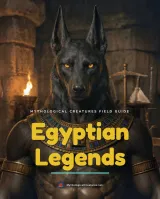
Egyptian Legends: A field guide to the gods and monsters of ancient Egypt
Guardians of the living and devourers of the dead, with the role each played in judgement.
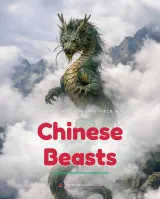
Chinese Beasts: A field guide to the dragons and demon kings of Chinese myth
From river dragons to demon kings, with the legends that shaped five thousand years of storytelling.
the legend in five swipes.
Advertising opportunity
Showcase your mythology project
We offer limited sponsor placements for books, courses, games, and creators aligned with our audience.
View partnership optionsQuick Creature Info
Origin:
Features:
Associations:
Our Mythic Legendary Rating:

Also Sometimes Known As:
Habitat:
Supernatural Powers:
Physical Attributes:
Abilities:
Behavior:
Weaknesses:
Lore:
Related Creatures, Tales or Lore
- IIcarus
- BBellerophon
References
Discover Another Mythical Legend You May Not Have Heard Of?
Uncover the mysteries of ancient folklore and expand your knowledge of legendary beings from cultures around the world.
Dare to Meet the Arke....
The Mythological Creatures Book Series
Yokai, Greek, Norse, Egyptian & Chinese. Five illustrated field guides to the creatures the old stories either warned or told you about.

Curated by the Mythological Creatures Team
Series editor: Mythological Creatures Directory
Primary desk: Hellenic & Ancient Mediterranean Desk
(rev. November 2025)