
Alan: The Alan are deformed, winged spirits from the folklore of the Tinguian tribe in the Philippines.
-765cbf17-c9ee-4ee8-8f30-4371af3f40cc_small.webp "Alan - They embody mysterious aspects of fertility, transformation, and the supernatural in Tinguian lore")
Alan
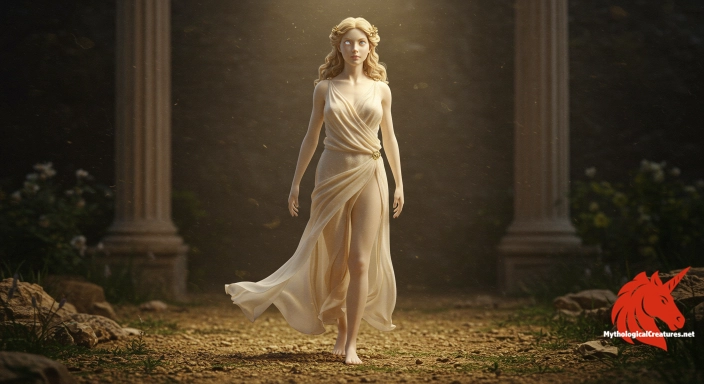
Alan - They embody mysterious aspects of fertility, transformation, and the supernatural in Tinguian lore
Origins & First Encounters
The Alan figure prominently among the mystical beings of the Tinguian tribe, emerging from a rich tapestry of indigenous Philippine lore that blends wonder with disquiet. Their origins are nestled deep within pre‐colonial oral traditions, where natural elements intertwine with the supernatural to forge beings whose appearances challenge conventional norms. Contemporary accounts describe them as deformed spirits endowed with the magical ability to soar through the skies on a pair of mysterious wings. Their famously inverted digits, with fingers and toes pointing backwards, further accentuate a sense of otherworldly inversion that has fascinated storytellers for generations. These beings are enveloped in a duality of creation and transformation, reputedly converting reproductive remnants into human life to raise as their own. The narratives impart both allure and caution, emphasising themes of fertility intertwined with the unsettling nature of transformation. Even when encountered in communal lore, the Alan serve as both guardians of ancient mysteries and as omens that blur the boundaries between decay and regeneration. Their continued presence in local myth speaks to a cultural legacy steeped in the struggle to understand and symbolise the inscrutable forces of nature.
Source Texts & Tale Variants
The traditional accounts of the Alan have been preserved primarily through oral transmission among the Tinguian people, with intermittent mentions in early anthropological and colonial records that capture the nuances of their myth. Early ethnographic studies reveal that these legends were recounted during community rituals and gatherings, weaving the supernatural into the fabric of daily life. Variations of the story occasionally diverge on the specifics, including the exact substances the Alan transform into human children, thereby adding layers to their characterisation. Some texts—though sparse—paint a vivid picture of beings that inhabit secret, lavish abodes, thereby enhancing their enigmatic reputation. Local storytellers often recount the Alan’s intricate methods of creation, underscoring the symbolic link between reproductive waste and rejuvenation. Certain accounts offer a more benevolent portrayal, suggesting that these spirits were once revered as protectors of sacred springs and life-giving waters. In other narratives, the Alan are imbued with an eerie quality that serves as a warning against meddling with nature’s hidden processes. The multiplicity of these sources and story variants highlights not only the fluidity of oral tradition but also the rich diversity of perspectives within regional folklore.
Form & Powers
The physical attributes of the Alan are as intriguing as they are unsettling, marked by an amalgam of features that diverge sharply from typical human form. Their wings, though modest in size, bear an ethereal quality that hints at their capacity for flight and a connection to the celestial realm. Unmistakably, their extremities defy natural order with fingers and toes that point in the reverse direction, a detail that symbolically inverts conventional biology. Their faces are often depicted with gaunt, sculpted contours and eyes that seem to hold a glimmer of ancient enigma. The overall physique, though slightly decrepit as viewed through human eyes, radiates a mystic allure that ties them to the elemental forces of nature. Descriptions frequently note a subtle, almost imperceptible iridescence in their skin, as if reflecting the luminescence of the springs they call home. This peculiar anatomy is accentuated by a hunched posture and elongated limbs which add to their uncanny appearance, evoking both sympathy and unease. The juxtaposition of their bizarre, inverted features against the sumptuous opulence of their golden dwellings deepens their mythic resonance, positioning them as figures that encapsulate both decay and divine splendour.
Regional Faces
While the Alan are most closely associated with the Tinguian tribe, variations of their legend have surfaced in other regions of the Philippines, each coloured by local customs and environmental contexts. In some neighbouring communities, the beings are portrayed with even more pronounced deformities, reinforcing their status as outsiders within the natural order. Other regional retellings emphasise a gentler aspect of their nature, casting them as benevolent protectors of water sources and harbingers of life. Variations in narrative details, such as the style of their wings or the exact hue of their skin, reflect the influence of diverse local mythologies. In some locales, their opulent abodes are reimagined to align with indigenous symbols of wealth and spiritual power, ensuring a seamless integration into local cultural narratives. The environmental backdrop, whether lush forest or craggy highland spring, often shapes the narrative tone, underscoring the dynamic interplay between nature and myth. Such regional diversity testifies to the adaptability of the Alan myth, with each version adding layers of meaning related to local taboos and moral philosophies. Ultimately, these adaptations illustrate how a singular mythic figure can traverse cultural boundaries, resonating with varied communities in unique yet interconnected ways.
Cultural Parallels
When compared to other mythological beings around the world, the Alan stand out for their unusual fusion of life-creating magic and physical aberration. Similar to the fairies and changelings of European folklore, these spirits possess qualities that challenge the ordinary, often embodying a liminal space between the human and the divine. Much like their counterparts in other traditions, their reversed extremities and capacity for transformation serve as potent symbols of the inversion of natural order. In several diverse myth systems, beings that meddle with the process of creation are both revered and feared, a dualism that the Alan mirror in full measure. The motif of deriving new life from elements typically seen as refuse finds echoes in other cultural legends, highlighting universal questions about purity, waste, and rebirth. Comparisons have been drawn with certain South East Asian and Indigenous American figures, whose ambiguous roles similarly straddle the boundaries of sanctity and taboo. The thematic resonance of creating life from death or decay further aligns the Alan with global archetypes that explore cyclical regeneration. This comparative analysis not only underscores the widespread human fascination with transformation but also illuminates how distinct cultures uniquely interpret the forces of nature and the sacred, positioning the Alan as part of a vast, interwoven mythological tapestry.
Legacy & Modern Evolution
The evolution of the Alan myth over time illustrates a fascinating journey from traditional oral lore to contemporary cultural symbolism. Historically confined to the realm of ritual and village storytelling, their eerie presence served as a focal point for deep-seated fears and aspirations regarding life, death and the mysteries of creation. As modernity dawned, however, new interpretations emerged in literature, visual art and even film, reimagining the Alan in contexts that speak to universal themes of transformation and resilience. Their unsettling method of crafting life from discarded substances has come to be seen as a metaphor for renewal out of decay, reflecting broader human experiences of rebirth and reinvention. Contemporary narratives often present these beings with a nuanced blend of menace and empathy, challenging the viewer to reconsider the nature of deformity and otherness. Their legendary golden abodes and association with sacred springs have been reinterpreted as symbols of hidden beauty and the unexpected treasures found in imperfection. Modern artists and storytellers continue to draw on the mystique of the Alan to explore complex themes such as environmental conservation, the cyclical nature of existence and the subversion of traditional beauty norms. In this way, the Alan have transcended their folkloric origins to become enduring icons of cultural ambiguity, whose legacy is as layered and shifting as the myths from which they sprang.
Interesting Fact
An intriguing aspect of the Alan is their backward-pointing digits, which challenge conventional notions of normalcy and hint at their otherworldly origins.
For myth educators and toolmakers
Built a resource for mythology learners?
If you offer courses, teaching tools, or research platforms focused on myth and folklore, consider a discrete placement on our reference pages.
Introduce your resourceQuick Creature Info
Origin:
Features:
Associations:
Our Mythic Legendary Rating:

Habitat:
Supernatural Powers:
Physical Attributes:
Abilities:
Behavior:
Weaknesses:
Lore:
Related Creatures, Tales or Lore
References
Discover Another Mythical Legend You May Not Have Heard Of?
Uncover the mysteries of ancient folklore and expand your knowledge of legendary beings from cultures around the world.
Dare to Meet the Eileithyia....
Curated by the Mythological Creatures Team
Series editor: Mythological Creatures Directory
Primary desk: Asian & Pacific Myth Cycles Desk
(rev. November 2025)