
Amaterasu: Amaterasu is the revered Japanese sun goddess and a central figure in Shinto mythology.
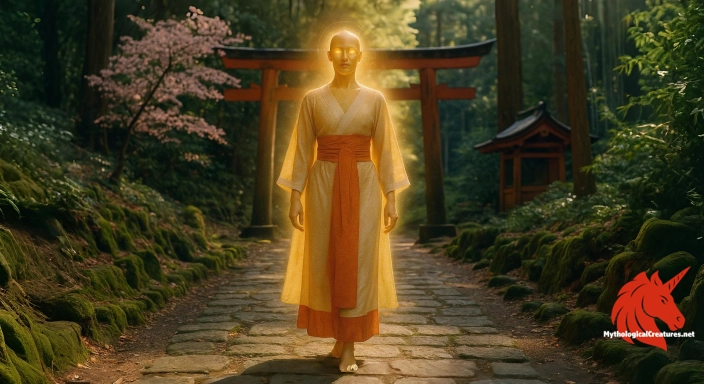
Amaterasu
Amaterasu - Central to Japanese cultural identity and divine monarchy, Amaterasu's influence permeates both spiritual and temporal realms.
Origins & First Encounters
Amaterasu emerges as the radiant embodiment of the sun and a cornerstone of Japanese spiritual heritage. Born from the ancient tapestry of Shinto mythology, her origins are interwoven with the creation myths found in the Kojiki and Nihon Shoki. She shines not only as a celestial being but also as a symbol of hope, renewal and the divine order that governs both heaven and earth. Her narrative bridges the cosmic with the earthly, linking the heavenly realm of Takamagahara to the human world. Amaterasu is revered as the ancestress of the Imperial House of Japan, a role that infuses her myth with both national and religious significance. Her familial ties, particularly with her siblings Tsukuyomi and Susanoo, highlight a dynamic interplay of light, moon and storm. The goddess’s enduring presence is celebrated at the Grand Shrine of Ise, where ritual and pilgrimage provide a living connection to ancient traditions. This mythic figure has been influential in shaping Japan’s cultural identity, embodying the clarity and vitality of the sun. Her story continues to inspire reverence and artistic expression, affirming her timeless place in the spiritual landscape of Japan.
Source Texts & Tale Variants
The principal narratives of Amaterasu are meticulously chronicled in revered texts such as the Kojiki and Nihon Shoki, which provide the earliest recorded accounts of her divine nature. Her myth is rich with dramatic interplay, including episodes of familial discord that led to her temporary withdrawal from the world of the living. One celebrated variant of the myth recounts her retreat into a cave, a moment that plunged the world into darkness and symbolised the cyclical nature of light and renewal. Various textual sources offer nuanced details of her interactions with other deities, emphasising the complex human emotions reflected in divine affairs. Beyond the canonical scriptures, regional folklore has further contributed to evolving retellings that are shared in local traditions and oral histories. These variants often expand upon her role in the natural cycles and her influence over prosperity and growth. Each version of her story underscores the importance of balance between creation and chaos, themes that resonate deeply within the Shinto faith. The multiplicity of accounts not only enriches her myth but also affirms her position as a multifaceted symbol of cosmic order. In all, the layered narrative traditions surrounding Amaterasu reinforce her status as a foundational deity in Japanese mythology.
Form & Powers
Though Amaterasu is a divine entity rather than an earthly creature, traditional depictions render her with an aura of breathtaking luminosity. Artists and storytellers alike have portrayed her as a figure whose very presence exudes the warmth and brilliance of the midday sun. Her visage is often described as aglow with golden light, creating an ethereal blend of strength and serenity that captivates the observer. The deity is typically adorned in flowing garments that shimmer with intricate patterns reminiscent of the celestial firmament. Symbols of the sun and natural cycles are frequently interwoven into her attire, reinforcing her association with life-giving radiance. While depictions vary across different artistic media, a common theme is her embodiment of both regal dignity and nurturing compassion. In many representations, her eyes are portrayed as radiant pools, reflecting the eternal light of the heavens. Such imagery not only accentuates her role as the bringer of day but also encapsulates an idealised form of divine femininity. These visual motifs serve as powerful reminders of the intangible yet pervasive influence of the sun in sustaining all life.
Regional Faces
Amaterasu’s legend is celebrated with local colour and distinct interpretations throughout the varied regions of Japan. In the vicinity of Ise, where the Grand Shrine stands as a sacred monument, her worship is marked by grand festivals and meticulously observed rituals. Rural communities often emphasise her nurturing aspect, highlighting her integral role in promoting agriculture and the natural rhythms of the seasons. Such communities celebrate her influence through seasonal ceremonies that echo ancient beliefs about fertility and renewal. Conversely, urban centres tend to focus on her symbolic stature as a guardian of national identity and a beacon of cultural continuity. Smaller shrines dedicated to Amaterasu, scattered across the archipelago, frequently incorporate unique local legends that enrich her mythos. These regional variations allow for a diverse expression of her character, blending universal divine attributes with place-specific traditions. The adaptation of her story in different locales reflects a broader tendency within Japanese spirituality to harmonise the celestial with the quotidian. Ultimately, these varied regional expressions contribute to a dynamic and ever-evolving narrative that underscores her universal appeal.
Cultural Parallels
Amaterasu’s myth resonates far beyond the confines of Japan, inviting comparisons with sun deities found in disparate cultural traditions. Her luminous presence can be likened to the radiance of the Egyptian god Ra and the classical symbolism carried by figures such as Helios, each representing an essential life force and cosmic order. Yet, what renders her particularly unique is her distinctly feminine portrayal, which contrasts with the predominantly masculine depictions of solar power in many other traditions. This distinctive aspect aligns her more closely with other revered sun goddesses, such as the Baltic goddess Saule, who similarly embody both light and nurturing energies. Moreover, her narrative of withdrawal and reemergence finds echoes in diverse myths that highlight the eternal cycle of darkness and light. Such cross-cultural parallels underscore shared themes of transformation, renewal and the intrinsic human connection with the celestial. The enduring allure of solar deities across cultures suggests a common reverence for the renewing power of the sun. In comparative analysis, Amaterasu stands out not only for her radiant beauty but also for her role in legitimating societal and political order. Her myth, therefore, is a profound testament to the universal human fascination with the life-sustaining light of the sun.
Legacy & Modern Evolution
Through the passage of centuries, Amaterasu’s myth has evolved into a potent symbol of national identity and cultural continuity in Japan. Her story, rooted in ancient scripture, has been consistently reinterpreted to resonate with successive generations. In classical art and literature, she has long been depicted as the quintessential bringer of light and hope, a role that endures in modern visual and literary media. Today, her legacy permeates contemporary Japanese culture, inspiring myriad creative expressions from manga and anime to film and video games. Her image is often invoked in celebrations of heritage and is central to numerous festivals that mark the passage of the seasons. Political and cultural narratives have embraced her as a unifying figure, emblematic of resilience amid modern challenges. As societal values change, her myth is continually reexamined, balancing reverence for tradition with innovative reinterpretations of her divine attributes. The evolving discourse surrounding Amaterasu reflects a broader dialogue about the intersection of myth, identity and modernity. Ultimately, her enduring influence is a testament to the timeless allure of ancient myth and its ability to illuminate the path to collective cultural renewal.
Interesting Fact
An intriguing aspect of Amaterasu's mythos is the reverence of the sacred mirror, Yata no Kagami, which not only symbolizes her divine light but also serves as a key emblem of the Japanese imperial regalia.
Sponsor this space
Tasteful, fixed-fee placements for myth projects
No bidding wars or flashing banners. We offer simple placements for a small set of creators and brands aligned with our readers.
Request further detailsQuick Creature Info
Associations:
Our Mythic Legendary Rating:

Also Sometimes Known As:
Habitat:
Supernatural Powers:
Physical Attributes:
Abilities:
Behavior:
Lore:
References
Discover Another Mythical Legend You May Not Have Heard Of?
Uncover the mysteries of ancient folklore and expand your knowledge of legendary beings from cultures around the world.
Dare to Meet the Baraqiel....

Curated by the Mythological Creatures Team
Series editor: Mythological Creatures Directory
Primary desk: Asian & Pacific Myth Cycles Desk
(rev. November 2025)