
Ammit: Ammit is an ancient Egyptian goddess known as the 'Devourer of the Dead.
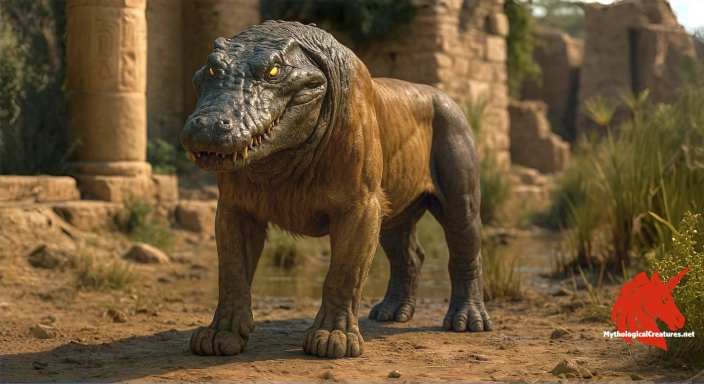
Ammit
Ammit - Serves as a guardian ensuring cosmic justice by devouring the hearts of sinners and preventing them from attaining eternal life in the afterlife.
the legend in five swipes.
the legend in five swipes.
The Beginnings of Ammit
Ammit stands as one of the most formidable figures in ancient Egyptian myth, embodying the terrifying force of divine judgment in the realm of the dead. Her presence in myth is not that of a benevolent goddess but rather of a fearsome being whose very nature ensured that the scales of justice remained balanced. Emerging from the rich tapestry of Egypt’s religious beliefs, she was understood as the ultimate deterrent against moral transgression. Her name, often translated as the 'Devourer of the Dead,' reflects a role that was both symbolic and literal in the mythic process of the afterlife. The earliest attestations of Ammit can be traced to funerary texts and temple reliefs dating back to the New Kingdom, where she featured prominently in the rites of the afterlife. With a composite form that combines the most dangerous animals known to her culture, she served as a reminder that the path to eternal life was fraught with peril for the impious. Intrinsically connected to the ritual of the Weighing of the Heart, her myth symbolised the inevitable fate of those who did not live in accordance with divine law. The cultural context of her worship reflects a society deeply invested in the ideas of cosmic balance and moral order. Her myth continues to resonate as an enduring symbol of the consequences for moral failure in the afterlife.
Ammit in the Historical Record
Ammit’s story is primarily documented through the ancient Egyptian funerary literature and decorative art, where she appears in a variety of texts and tomb inscriptions. The Book of the Dead prominently features her role during the judgment process, depicting her as the force that consumes the heart of the unworthy. In addition to this seminal work, references to her can be found in the Pyramid Texts and Coffin Texts, which further illustrate her function within the rituals of death and rebirth. Artistic depictions in tombs and temple reliefs across different dynasties provided visual reinforcement of her role and physical attributes. While the core myth remains consistent, variations in her portrayal have emerged, providing subtle nuances in her characterization. Some versions of the narrative emphasise her inevitability and power, while others highlight the cosmic necessity of her existence. Interpretative accounts from later periods sometimes blend her role with broader concepts of chaos and retribution. The multiplicity of these sources offers a complex picture of how the ancient Egyptians viewed the management of divine justice and the afterlife.
The Described Form of Ammit
Ammit is depicted as a striking composite creature, fashioned from parts of three of the most fearsome animals in ancient Egypt. Her head is that of a crocodile, complete with a powerful jaw lined with sharp teeth and eyes that evoke an air of predatory vigilance. The forequarters of her body take on the noble and muscular form of a lion, symbolising authority and regality. In contrast, the hindquarters resemble those of a hippopotamus, suggesting formidable strength and the potential to overwhelm. This unique amalgamation not only underscores her monstrous nature but also imbues her with the combined attributes of the apex predators of the Nile region. Artists often portrayed her with a dynamic stance, poised to pounce on the souls of the impure. Detailed carvings reveal intricate patterns along her scales and fur, emphasising both her wildness and the meticulous care given to her iconography. The size of her depiction varied depending on context, yet she was invariably rendered as vast and intimidating, a physical manifestation of divine retribution.
Where was Ammit best known?
While Ammit’s origins lie within the heart of ancient Egyptian religious tradition, her depiction experienced subtle shifts across different regions of Egypt. In Upper Egypt, where local traditions sometimes merged with broader state cults, variations in her iconography emphasised her role as an enforcer of cosmic order. Regional tombs and temples display slight differences in the artistic execution of her composite form, reflecting local aesthetic preferences. In some areas, the emphasis was placed more on her crocodilian features, while in others the lion and hippopotamus attributes were more pronounced. The interplay of local myths with the official state narrative occasionally led to reinterpretations of her symbolic function. Nearby cultures and border regions occasionally adapted her image to align with their own beliefs about the afterlife and divine retribution. These regional variations present a fascinating mosaic of myth-making, where standardized religious iconography was subtly tailored to local customs and values. The regional diversity in her depictions underscores the dynamic nature of myth as it traversed cultural boundaries within ancient Egypt.
Which figures are similar to Ammit?
Ammit occupies a singular niche in mythological literature, yet her role resonates with themes found in other cultural traditions. Unlike the benign deities often associated with death, she embodies an active threat to the soul, a motif paralleled by other underworld guardians in different mythologies. In Greek mythology, while creatures like Cerberus serve as gatekeepers to the realm of the dead, Ammit directly intervenes in the judgment of the deceased. Her function as an arbiter who enforces cosmic law finds echoes in later demons and devourers from diverse traditions who similarly punish the wicked. The composite nature of her form also invites comparison with other chimeric creatures that symbolise chaos and divine retribution. An analysis across cultures reveals a shared symbolic vocabulary: the use of hybrid creatures to illustrate the merging of order and chaos. While her counterparts in other mythologies may not share the exact physical attributes, the fundamental idea of a creature that metes out punishment to those who transgress spiritual laws is widely present. These cultural parallels underscore the universal human fascination with justice and the mysteries of mortality.
Ammit: Modern Retellings and Reinventions
The myth of Ammit has evolved considerably from its origins in the sacred rituals of ancient Egypt to its reinterpretations in modern thought. In antiquity, she served as an indispensable element of the religious narrative, embodying the inevitability of punishment for moral transgression. Over time, her image became a powerful symbol of the ultimate cost of injustice and the cosmic balance between good and evil. During the Greco-Roman period, her depictions were absorbed into a broader context of mystery and divination, further cementing her role as a supernatural force. In the 19th and 20th centuries, increasing scholarly interest in ancient Egypt revived her image as not merely a mythological figure but as an emblem of existential and ethical dilemmas. Today, Ammit appears in various forms in popular culture—from literature and film to video games—where she is often portrayed as a harbinger of divine retribution. Modern reinterpretations tend to romanticise her terrifying qualities while simultaneously exploring the deeper implications of judgment and justice. Her enduring legacy continues to inspire contemporary discussions about the nature of the afterlife, the moral order, and the intersection between myth and reality.
Interesting Fact
An intriguing aspect of Ammit is that, despite her fearsome role, she was not worshipped but revered as a necessary force in preserving the cosmic order.
Mythological Treasures
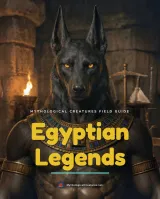
Egyptian Legends: A field guide to the gods and monsters of ancient Egypt
Guardians of the living and devourers of the dead, with the role each played in judgement.
Chinese Beasts: A field guide to the dragons and demon kings of Chinese myth
From river dragons to demon kings, with the legends that shaped five thousand years of storytelling.
Japanese Yokai: A field guide to the spirits and demons of Japanese folklore
Fifteen spirits, with the signs to watch for and what the old tales say to do if you meet one.
the legend in five swipes.
For indie creators
Give your myth project a permanent home
Indie authors, artists, small studios, and makers can secure an annual, non-intrusive sponsor slot that meets readers where they explore.
Obtain more informationQuick Creature Info
Origin:
Features:
Associations:
Our Mythic Legendary Rating:

Also Sometimes Known As:
Habitat:
Supernatural Powers:
Physical Attributes:
Abilities:
Behavior:
Weaknesses:
Lore:
Related Creatures, Tales or Lore
References
Discover Another Mythical Legend You May Not Have Heard Of?
Uncover the mysteries of ancient folklore and expand your knowledge of legendary beings from cultures around the world.
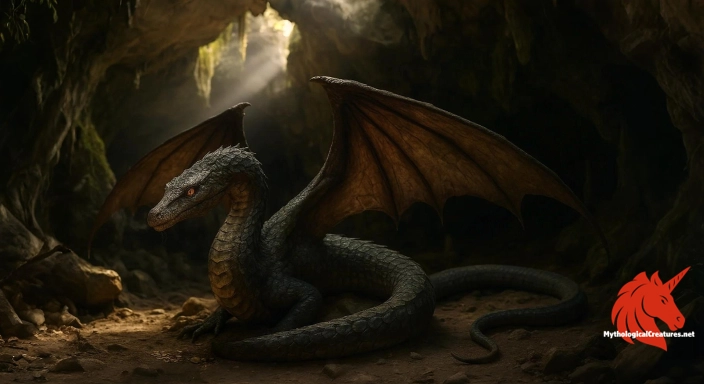
Dare to Meet the Cuélebre....
The Mythological Creatures Book Series
Yokai, Greek, Norse, Egyptian & Chinese. Five illustrated field guides to the creatures the old stories either warned or told you about.


Curated by the Mythological Creatures Team
Series editor: Mythological Creatures Directory
Primary desk: Hellenic & Ancient Mediterranean Desk
(rev. November 2025)