
Amnisiades: The Amnisiades are river nymphs from Greek mythology, presiding over the river Amnisus in Crete.
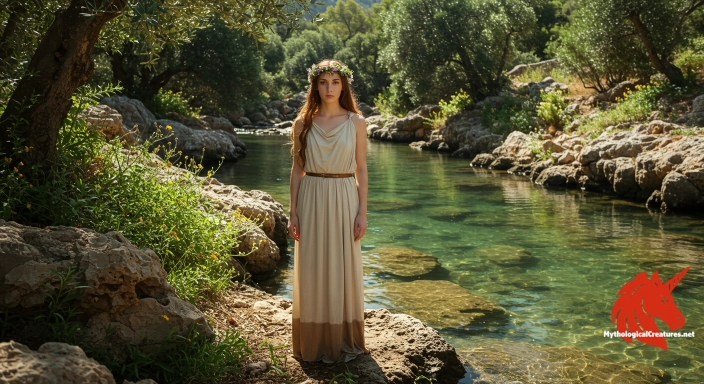
Amnisiades
Amnisiades - They represent the divine connection between nature and the gods, enriching Artemis's retinue with their ethereal presence.
Origins & First Encounters
The Amnisiades are a fascinating group of nymphs rooted in the rich tapestry of ancient Greek mythology. They are celebrated as the divine spirits of the river Amnisus in Crete, where the natural world was interwoven with the sacred. Emerging during a period when nature and divinity were indistinguishable, these nymphs appeared in early mythic narratives that celebrated water as a living force. They were considered to be radiant attendants whose presence enhanced the prowess of the goddess Artemis. Their identity is closely bound to that of the Okeanids, with a precise number of twenty nymphs complementing a larger retinue of deities. The cultural context of Crete provided a unique backdrop, where local rites and ancient landscapes imbued these figures with both mystery and reverence. It is believed that they symbolised the purity and rejuvenative properties of water, serving as both guardians and emblems of natural abundance. Their depiction in myth reflects a broader ancient Greek view that esteemed every element of nature as divinely animated. The Amnisiades continue to evoke the magic of a time when every stream was believed to be under the watchful gaze of a divine spirit. Their legacy remains an integral part of the mythological narrative that celebrates nature’s enchanting vitality.
Their story also reminds us of the close relationship the Greeks maintained with the landscape, where the boundaries between the mortal and the divine were elegantly blurred. This harmonious blending of the physical and the ethereal set the stage for countless myths that continue to inspire modern interpretations.
Source Texts & Tale Variants
Ancient literary fragments and local Crete traditions serve as the primary sources that mention the Amnisiades. Although they do not dominate the classical texts, subtle references to these river nymphs appear in the collected works of early mythographers and in scholia that comment on the broader narrative of nature deities. Their role as part of Artemis’s retinue is noted in various accounts that celebrate the goddess’s connection with the natural world, and these records hint at a carefully structured divine assembly. Different story variants have emerged over time, with some sources identifying them strictly as water spirits while others emphasise their function as guardians of the sacred river. There are intriguing discrepancies in the recorded number, which suggests that oral traditions contributed to a fluid transmission of their myth. Occasional mentions in later Byzantine texts also shed light on how these figures were gradually integrated into a wider tradition of water deities. The amalgamation of poetic fragments and local legends has enriched their myth, making it a complex mosaic of ancient reverence. Over successive generations, the narrative of the Amnisiades evolved through variations that were both region-specific and author-dependent. These layers of myth-making reinforce the idea that their story was transmitted through both written and oral cultures. The enduring nature of these accounts underscores the significance of water symbolism in the ancient world.
Such diverse sources not only highlight the mythical origins of the Amnisiades but also mirror the dynamic way in which myth adapts to cultural shifts over time.
Form & Powers
The nymphs of the Amnisiades are often portrayed with an ethereal beauty that captures the essence of flowing water. Their delicate forms evoke the graceful movement of a river, with slender figures that suggest both lightness and vitality. Artists frequently depict them with soft, wavy hair that cascades in harmony with the natural curves of watercourses. Their eyes are imagined as deep and reflective, reminiscent of the serene blues and greens found in hidden riverbeds. In classical art, they are shown wearing diaphanous garments that seem woven from the very mists hovering above the water, enhancing their otherworldly is splendour. This visual symbolism is intended to mirror the transient nature of water, delicate yet powerful in its life-giving force. Some representations capture subtle variations among the group, with each nymph possessing individual details that set her apart while still aligning with the collective identity. Their poses are typically graceful and unforced, evoking a sense of effortless harmony with the surrounding landscape. The interplay of light and shadow on their luminous skin further suggests a magical interplay between the heavens and the earth. Overall, their physical depiction is a celebration of natural beauty and divine elegance.
The artistic representations often portray them as both alluring and elusive, inviting viewers to contemplate the duality of nature’s power and fragility.
Regional Faces
In Crete, where the river Amnisus flows, the Amnisiades hold a particularly revered position as local embodiments of the natural world. Their identity is deeply entwined with the geography of the island, making them unique among the myriad of nymphs found throughout Greece. Local artistic depictions and ritual practices highlight their role as protectors of the river and as symbols of the island’s fertile landscape. Meanwhile, in other regions of Greece, similar water deities appear under the umbrella of the broader nymph tradition, though with slight variations in character and number. The distinctive cultural flavour of Crete lends the Amnisiades a softer, more ephemeral quality compared to the more robust depictions of water spirits in mainland folklore. Regional festivals and local rites sometimes invoke these nymphs to bless the aquatic pathways and ensure the continued prosperity of the land. Over time, local adaptations have led to intriguing syncretisms with indigenous river and spring deities, resulting in an evolving mosaic of myth. The variations in their portrayal demonstrate how environmental context and cultural exchange shape the identity of mythological figures. This regional diversity underscores the dynamic nature of myth-making, which adapts to local narratives and traditions. Ultimately, the Amnisiades serve as a vivid example of how the sacred can be uniquely interpreted through the lens of local experience.
These regional nuances contribute a rich diversity to their myth, allowing them to resonate with distinct cultural identities across ancient Greece.
Cultural Parallels
The Amnisiades share compelling similarities with a number of water deities across the ancient world, forming a bridge with other mythological beings such as the naiads and nymphs of Roman lore. Their association with water and nature is echoed in myths from various cultures, where local spirits personify rivers, lakes, and springs. In Greek lore, they frequently appear side by side with figures like the Okeanids and Nereids, each group representing different facets of the power and mystery of water. Beyond the Mediterranean, comparable archetypes are celebrated in Celtic and Slavic traditions, where river maidens and water sprites embody themes of fertility and renewal. The Amnisiades, with their delicate beauty and intimate connection to the natural world, resonate with these global motifs of life, purity, and transformation. Their role in Artemis’s divine retinue further aligns them with other attendant deities that symbolise the inherent link between earth and water. The interplay between their subtle grace and formidable power is a recurring theme in comparative mythology, highlighting an enduring human fascination with the life-sustaining properties of water. In essence, their myth serves as a microcosm of the broader narrative of nature worship that spans cultures. The similarities in iconography and function across traditions illustrate a shared human sentiment about the sanctity of water and its divine guardianship. These parallels enrich our understanding of how ancient societies revered the natural environment through richly woven mythological narratives.
Their comparative legacy continues to inspire a wide array of cultural and artistic interpretations in modern times, reflecting a universal reverence for the elemental forces of nature.
Legacy & Modern Evolution
Over the centuries, the myth of the Amnisiades has transformed, mirroring the shifts in cultural and religious attitudes throughout the Mediterranean world. Initially, they emerged as essential figures in a religious framework where every element of nature was imbued with divine presence, serving as guardians of water and purity. As classical traditions gave way to new cultural expressions during the Hellenistic and later periods, these once-prominent nymphs became subtle yet enduring symbols in the artistic and literary realms. The Renaissance saw a revival of interest in classical mythology, with artists and poets drawing upon their ephemeral beauty and connection to nature in new and innovative ways. In modern times, the Amnisiades have been reimagined as allegories for environmental preservation and the timeless vitality of natural resources. Contemporary interpretations often cast them as icons of ecological harmony, drawing attention to the importance of sustaining our waterways. Their portrayal in modern fantasy literature and visual media has highlighted both their mythic allure and their relevance to today’s ecological discussions. The evolution of their depiction—from revered water guardians to symbols of nature’s resilience—serves as a testament to the enduring power of myth. As academic and popular interest in ancient mythology continues to grow, the Amnisiades remain a potent reminder of humanity’s enduring connection to the natural world. Their legacy not only honours the past but also inspires current and future generations to value and protect the delicate balance of nature.
This enduring legacy underlines the way mythology evolves over time, continually reinterpreting ancient symbols to address modern concerns and aspirations.
Interesting Fact
An interesting aspect of the Amnisiades is their exclusive association with the lesser-known river Amnisus, highlighting the rich tapestry of localised deities in Greek mythology.
For authors, artists, and makers
Created something from the realm of myth?
If your book, deck, game, or artwork draws from legendary creatures and lore, you can showcase it here in a tasteful, year-round placement.
Share your projectQuick Creature Info
Origin:
Features:
Associations:
Our Mythic Legendary Rating:

Also Sometimes Known As:
Habitat:
Supernatural Powers:
Physical Attributes:
Abilities:
Behavior:
Lore:
Related Creatures, Tales or Lore
- NNereids
- OOkeanids
- OOther Naiads such as the Aegaean Naiads
References
Discover Another Mythical Legend You May Not Have Heard Of?
Uncover the mysteries of ancient folklore and expand your knowledge of legendary beings from cultures around the world.
Dare to Meet the Göndul....

Curated by the Mythological Creatures Team
Series editor: Mythological Creatures Directory
Primary desk: Hellenic & Ancient Mediterranean Desk
(rev. November 2025)