
Amphiptere: The Amphiptere is a mythological winged serpent prominent in European heraldry.
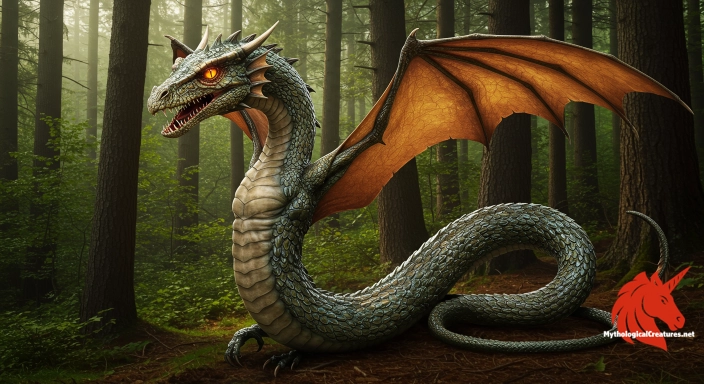
Amphiptere
Amphiptere - Represents valor, nobility, and mystical protection in heraldic tradition.
the legend in five swipes.
the legend in five swipes.
Amphiptere: How the Story Began
Amphipteres embody a striking fusion of reptilian sinuousness with the elegance of flight, captivating imaginations from medieval times to the present day. Their origins are firmly planted in European heraldry, where they have long symbolised nobility, protection, and mystery. The very name, derived from ancient linguistic elements, highlights their distinctive double-winged design and adds to their enigmatic appeal. Early attestations appear in venerable bestiaries and heraldic manuals that celebrated nature’s contrasting forces and allegorical meanings. Over time, their image evolved into an emblem of both artistic finesse and martial valor, reflecting the ideals of chivalry. Notions of guardianship and hidden wisdom become intertwined in their portrayal, suggesting that they stand at the crossroads of myth and reality. The amalgamation of serpentine grace with the dynamic energy of flight imbues the amphiptere with a timeless allure that continues to fascinate scholars and enthusiasts alike. Its enduring legacy in art and symbolism reaffirms the creature’s position as a bridge between ancient lore and modern creative expression.
Which books and scrolls describe the Amphiptere?
Historical records and illuminated manuscripts reveal that the amphiptere has been a recurring figure in medieval heraldic traditions. Texts from the Middle Ages often depict this winged serpent in the context of noble crests and allegorical bestiaries, where its image served both decorative and symbolic functions. Variations of its story can be traced through scattered narratives that explore themes of protection, mystery, and the duality of nature. Some manuscripts provide brief yet evocative descriptions that have been later elaborated in artistic works during the Renaissance. In certain accounts, the amphiptere is portrayed not just as a static emblem but as an active guardian within mythic quests and heroic sagas. The creature’s representation frequently appears alongside other fantastical beasts, deepening its connection to an expansive symbolic universe. Although the primary sources are often fragmentary, they collectively contribute to a diverse tapestry of interpretations and minor story variants. This layered tradition illustrates how differing cultural tastes and regional artistic styles have enriched the mythos surrounding the amphiptere over the centuries.
How did the old accounts describe the Amphiptere?
The amphiptere is typically illustrated as a lithe, elongated serpent whose body is encrusted with glistening, iridescent scales that capture ambient light with a subtle shimmer. Its most captivating attribute is the pair of expansive, delicately structured wings that burst from its midsection, suggesting both ethereal grace and formidable strength. The head, often rendered with a refined taper and keen, intelligent eyes, carries hints of ornamental crests and patterning that evoke ancient symbolism. Each depiction blends the fluid undulations of a serpent with the poised mechanics of aerial creatures, offering a unique dualistic vision. Artists have employed a rich palette in representing these creatures, ranging from deep emerald and sapphire tones to lustrous metallic hues that evoke a sense of otherworldly majesty. The wings themselves invite scrutiny, often portrayed with a combination of membranous and feathered elements that highlight their multifunctional design. Intricate detailing along the body, such as subtle ridges and decorative markings, further enhances its mythical aura. Overall, the physicality of the amphiptere captures an amalgamation of nature’s most evocative elements, making it an enduring muse for heraldic and fantastical art.
Amphiptere: Regional Versions and Local Names
While the amphiptere is most renowned within European heraldry, its appearance and symbolic nuances vary across regional artistic traditions. In Western Europe, the creature is often depicted with a streamlined form and refined detailing, embodying the elegance of aristocratic emblems. Northern European renditions tend to incorporate rustic embellishments and a more pronounced serpentine fluidity that echoes local natural legends. In contrast, certain Central European interpretations meld the standard imagery with influences reminiscent of native dragon lore or mystical guardians. These regional adaptations have introduced subtle variations in wing style, body curvature, and scale design, each reflecting the unique artistic sensibilities of the area. Illuminated manuscripts from different territories reveal shifts in colour schemes and stylistic flourishes that parallel local mythic traditions. Such regional transformations highlight how the amphiptere’s core symbolism—the interplay of duality and mystery—has been adapted to resonate with varied cultural narratives. This geographical diversity ensures that the amphiptere remains a dynamic figure, continuously evolving within the broader tapestry of myth and art.
Amphiptere: Similar Beings in World Folklore
The amphiptere shares compelling thematic and symbolic parallels with other winged serpent entities found in mythologies around the world. Its duality, merging serpentine form with the gift of flight, invites natural comparisons with the revered Quetzalcoatl of Mesoamerican tradition, despite differences in cultural context and spiritual significance. Eastern mythologies, too, present winged dragons that encapsulate wisdom and transformation, offering a contrasting perspective to the more heraldic role of the amphiptere. In various legends, similar creatures are depicted as omens of change, bridging the divide between the terrestrial and the celestial. While Western heraldic traditions focus on the amphiptere’s role as an emblem of noble lineage and protection, other cultures harness the winged serpent as a symbol of cosmic balance and renewal. These cross-cultural resonances have encouraged comparative studies that explore the common human fascination with hybrid beings. The shared imagery speaks to a universal propensity to celebrate animal forms that defy conventional boundaries. Ultimately, such cultural parallels underscore a broader mythological dialogue, where the motif of the flying serpent narrates stories of power, mysticism, and the liminal spaces between worlds.
Who tells the story of the Amphiptere now?
The historical evolution of the amphiptere mirrors a broader journey from strictly regulated heraldic symbol to a vibrant icon embraced by modern creative expressions. Initially confined to the rigid structures of medieval bestiaries and noble crests, its portrayal was marked by austere lines and a focus on martial valor. As artistic styles shifted during the Renaissance, the amphiptere underwent a transformation that allowed for more fluid, imaginative interpretations, blending classical symbolism with emerging aesthetic trends. In the contemporary era, the creature has found new life in the realms of literature, film, and digital art, where its dual character continues to inspire wonder and reinterpretation. Modern visual artists and fantasy illustrators often reimagine the amphiptere with bold colours, intricate detail, and a playful yet mysterious spirit that nods to its heraldic origins. Its journey illustrates how ancient symbols can be adapted to speak to modern sensibilities, evoking themes of change, resilience, and the transformative power of myth. The amphiptere’s enduring presence is testament to its capacity to bridge historical traditions and present-day narratives. Today, it stands as a multifaceted emblem, continuously evolving and captivating audiences across diverse cultural landscapes.
Interesting Fact
An interesting aspect of the Amphiptere is its legless, purely serpentine form, which distinguishes it from other winged dragons and gives it a unique place in mythological lore.
Mythological Treasures
Greek Myths: A field guide to the monsters of ancient Greece
Every monster here earned its place in legend, and each gets a full page of artwork and the story behind it.
Japanese Yokai: A field guide to the spirits and demons of Japanese folklore
Fifteen spirits, with the signs to watch for and what the old tales say to do if you meet one.
Norse Sagas: A field guide to the beasts of the Viking world
Drawn from the saga accounts themselves, with the powers, weaknesses and doom of each being set out.
the legend in five swipes.
For serious mythcraft
Your project belongs among the legends
If your work deepens how people understand, play with, or teach mythology, a sponsor placement here keeps it in front of the right readers all year.
Submit a sponsorship enquiryQuick Creature Info
Origin:
Our Mythic Legendary Rating:

Also Sometimes Known As:
Habitat:
Supernatural Powers:
Physical Attributes:
Abilities:
Lore:
References
Discover Another Mythical Legend You May Not Have Heard Of?
Uncover the mysteries of ancient folklore and expand your knowledge of legendary beings from cultures around the world.
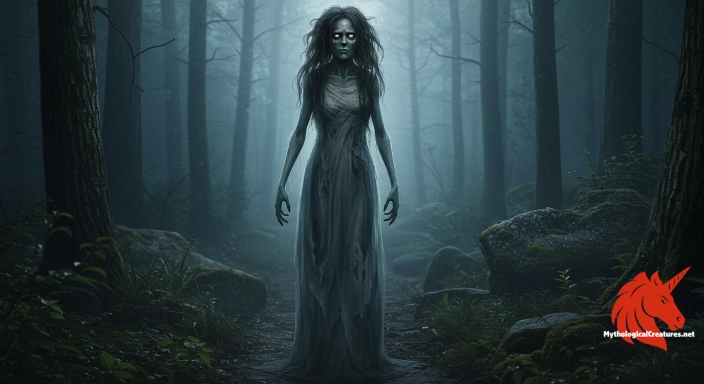
Dare to Meet the Bean-nighe....
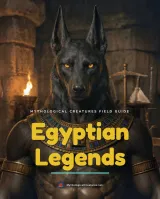
The Mythological Creatures Book Series
Yokai, Greek, Norse, Egyptian & Chinese. Five illustrated field guides to the creatures the old stories either warned or told you about.


Curated by the Mythological Creatures Team
Series editor: Mythological Creatures Directory
Primary desk: Hellenic & Ancient Mediterranean Desk
(rev. November 2025)