
ʿAnāq: ʿAnāq bint Ādam is identified in certain Islamic theological traditions as a daughter of Adam and Eve and is sometimes regarded as their first child.
-a22ddf28-6c0c-415e-a88c-8ddbb14e7208_small.webp "ʿAnāq - Represents one of the earliest embodiments of evil in the narrative of human origins, challenging the presumed innocence of Adam and Eve's lineage.")
ʿAnāq
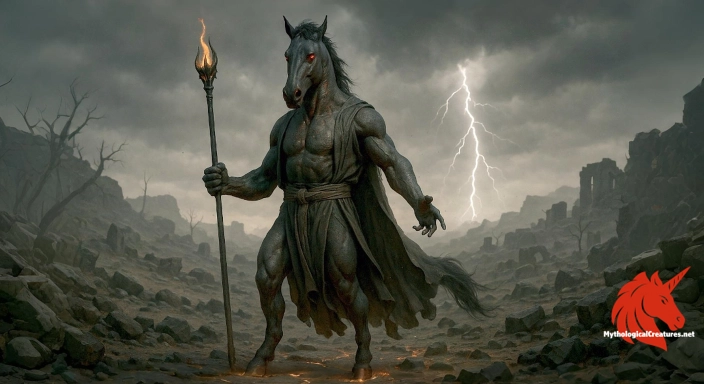
ʿAnāq - Represents one of the earliest embodiments of evil in the narrative of human origins, challenging the presumed innocence of Adam and Eve's lineage.
Origins & First Encounters
The figure of ʿAnāq bint Ādam emerges from the rich tapestry of early Islamic theological traditions, presenting a character whose origins are as mysterious as they are compelling. Often described as the first child of Adam and Eve, her narrative diverges from the typical portrayals of the primordial family. She is depicted with an inherent dark purpose, embodying both the allure and the warning of early human transgression. Her story, woven into spartan early texts and oral lore, intertwines themes of divine creation and rebellious defiance. The myth of ʿAnāq captures the paradox of a lineage that is both sacred and deeply flawed, reflecting the broader complexities in early theological debates. The sparse traditional references to her role as the embodiment of evil invite interpretations that question the nature of sin from the very moment of human inception. Her legacy, marked by a blend of cautionary and mysterious overtones, continues to serve as a potent symbol of moral and existential dilemmas. Overall, her presence in these narratives underscores a timeless inquiry into the origins of corruption and the disruptive impact of individuality on divinely ordained order.
Source Texts & Tale Variants
Ancient manuscripts and a variety of oral traditions provide the foundation for the story of ʿAnāq, though the details surrounding her remain as fluid as they are intriguing. Texts from early Islamic exegetical literature, albeit limited, position her as a significant yet shadowy figure, often emphasising her malevolent nature. Multiple story variants exist, each offering a slightly different perspective on her role as the progenitor of discord and moral deviation. These accounts range from terse annotations in early commentaries to richer, allegorical renditions found in regional folklore. In some versions, she is portrayed not merely as a symbol of evil but as a complex character whose very existence challenges the sanctity of the divine lineage. The alternative narratives place her within broader discussions of free will and predestination, reflecting an ongoing debate about the capacity for inherent sin. Oral literature has played a crucial role in perpetuating her myth, as teachers and storytellers adapt the basic narrative to suit local moral lessons. This multiplicity of sources exemplifies the dynamic interplay between scriptural interpretation and cultural storytelling in Islamic tradition. Consequently, her elusive presence in primary texts has spurred a rich body of folklore that continues to provoke reflection on the origins of corruption in human history.
Form & Powers
Descriptions of ʿAnāq are as enigmatic as her moral legacy, blending elements of ethereal beauty with a hint of otherworldly menace. Artistic depictions, though rare, often accord her an aura that is both striking and foreboding. Her eyes are sometimes imagined as luminous yet shadowed, conveying the deep corruption believed to reside within her soul. Many narratives suggest that her physical form bridges the gap between mortal frailty and supernatural presence, with a slender build that belies an inner strength and dark intensity. Intricate details in various retellings point to the possibility of elongated features and a subtly exotic appearance, designed to set her apart from the more benign figures of early human creation. Some accounts evoke an image of a figure whose graceful limbs and poised stance are as captivating as they are disquieting. The interplay of light and darkness in her portrayal reinforces the notion of duality, where beauty becomes a vessel for latent malevolence. Each artistic rendition, though varying by region and period, consistently underscores her role as an embodiment of forbidden defiance. Such representations have been carefully crafted to symbolise the tension between divine perfection and inherent flaw.
Regional Faces
Across different cultural landscapes, the narrative of ʿAnāq undergoes striking adaptations, each reflecting the unique spiritual and moral concerns of its region. In Middle Eastern accounts, she is often imbued with the mysticism of desert lore, where her allure is counterbalanced by an undeniable sense of danger. Persian traditions sometimes portray her as a more nuanced character, merging scenes of tragic beauty with motifs of betrayal and divine retribution. North African renditions frequently incorporate local supernatural elements, casting her as a figure shaped by the harsh dynamism of the desert environment. In regions influenced by Turkic and Central Asian cultures, her myth is interwoven with tales of transformation and elusive redemption, highlighting a dual nature rarely seen in more canonical depictions. South Asian narratives expand her role further, integrating aspects of pre-Islamic myth and imbuing her with qualities that are as enigmatic as they are cautionary. These regional variations not only alter her visual and character traits but also recalibrate her symbolic significance to reflect local ethical struggles. The diversity of these adaptations underscores the malleability of myth, demonstrating how core themes of transgression and inherent corruption can be reshaped by regional artistic and cultural sensibilities. Thus, each retelling ensures that her tale remains relevant and resonant across a broad spectrum of communities.
Cultural Parallels
When set alongside comparable mythological figures, ʿAnāq occupies a distinct yet familiar space as a symbol of defiance and inherent malevolence. Her portrayal as a rebellious progenitor finds echoes in the figure of Lilith from Jewish tradition, where both characters are envisioned as early embodiments of disobedience. Like Lilith, her character challenges the conventional roles assigned to the early offspring of divine creation, offering a counter-narrative to idealised images of purity. Parallel figures in other mythologies often share a common thread of subverting established cosmic orders, thereby questioning the very nature of innocence and sin. The recurring motif of a dangerous, transgressive female figure points to shared cultural concerns about the power and unpredictability of primordial forces. In many ways, she becomes part of a broader tapestry that includes various goddesses and demonic entities, each reflecting societal ambivalence toward female autonomy and moral complexity. This cross-cultural dialogue reveals that while the details of her story may differ, the fundamental themes of rebellion and existential disruption remain constant. Through these comparisons, ʿAnāq’s narrative is illuminated by parallel legends that traverse geographical and cultural divides. Such analyses highlight the universal appeal of myth as a medium for exploring the tensions between divine order and human imperfection.
Legacy & Modern Evolution
The evolution of ʿAnāq’s myth reflects the broader transformation of ancient lore into a versatile symbol that continues to fascinate modern audiences. Initially confined to terse scholarly commentaries and regional oral traditions, her character has gradually been reimagined in contemporary literature and art. Modern reinterpretations often recast her as a complex anti-heroine, one whose defiance is intertwined with themes of female empowerment and existential ambiguity. She has been integrated into various forms of popular culture, from graphic novels to digital media, where her narrative is adapted to reflect current societal debates about power and morality. The progression of her portrayal from a one-dimensional harbinger of evil to a multifaceted emblem of rebellion highlights how ancient symbols are continually repurposed to voice modern concerns. As new generations engage with her story, the reinterpretation of her myth serves both as a critical exploration of traditional dogma and as a mirror to contemporary questions of identity and autonomy. Her enduring presence in modern discourse underscores the resilience of mythological narratives and their capacity to evolve in tandem with the times. Overall, ʿAnāq stands as a testament to the timeless interplay between ancient allegory and modern reinterpretation, forever inspiring new perspectives on the nature of sin and rebellion.
Interesting Fact
An intriguing aspect of ʿAnāq's story is her portrayal as the first child of Adam and Eve, which challenges conventional narratives of innate human purity.
Advertising opportunity
Showcase your mythology project
We offer limited sponsor placements for books, courses, games, and creators aligned with our audience.
View partnership optionsQuick Creature Info
Origin:
Features:
Our Mythic Legendary Rating:

Also Sometimes Known As:
Behavior:
Lore:
References
Discover Another Mythical Legend You May Not Have Heard Of?
Uncover the mysteries of ancient folklore and expand your knowledge of legendary beings from cultures around the world.
Dare to Meet the Orobas....
Curated by the Mythological Creatures Team
Series editor: Mythological Creatures Directory
Primary desk: Asian & Pacific Myth Cycles Desk
(rev. November 2025)