
Anigrides: The Anigrides are the river nymphs of the Anigrus in Elis from Greek mythology.
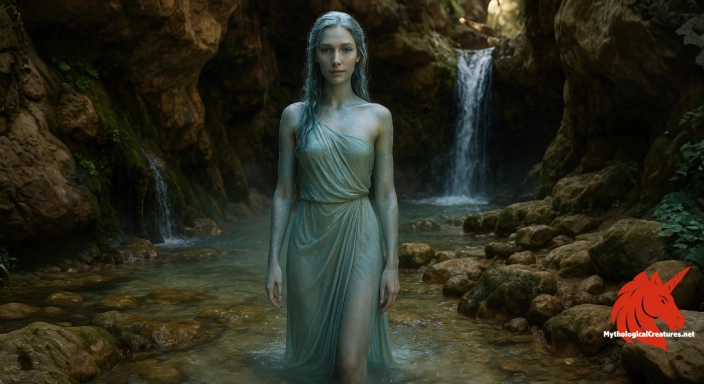
Anigrides
Anigrides - The Anigrides were revered for their healing powers and served as a focal point for cures through sacred rituals, symbolising nature's restorative essence.
Origins & First Encounters
The Anigrides have long been revered as quintessential embodiments of the natural world’s subtle magic in ancient Elis. Born from the mystique of the sulphuric waters of the Anigrus, these water nymphs emerged as divine personifications of the river’s life-sustaining and healing qualities. Their origins trace back to an era when nature and spirituality were inseparably intertwined, lending a sacred aura to every stream, grotto, and spring. The earliest extant mention of their cult appears in the work of the poet Moero during the 3rd century BCE, marking the moment when their healing lore began to be documented. A small grotto near modern Samiko, dedicated to these nymphs, served as a beacon of hope for those seeking relief from skin ailments. Devotees believed that prayer, ritual sacrifice, and immersive bathing in the river’s sulphur-infused waters offered miraculous cures. The enduring appeal of the Anigrides encapsulates the deep-rooted connection between the healing forces of nature and the divine feminine. Over time, their myth grew to represent not only physical restoration but also a broader spiritual rejuvenation that resonated with the inhabitants of Elis.
Their narrative illustrates a timeless interplay between myth and the natural environment, echoing through the ages as a symbol of hope and renewal. This fusion of natural wonder with divine intervention set the stage for a rich tapestry of local rituals and spiritual practices that continue to inspire modern reflection on nature’s restorative power.
Source Texts & Tale Variants
Ancient literary fragments offer a fascinating glimpse into the early worship of these water nymphs, with the poet Moero providing one of the earliest attestations in the 3rd century BCE. Her evocative verses cast the Anigrides as gentle custodians of the river’s healing essence. Multiple local inscriptions and dedications further attest to the profound influence of their cult in the region, underscoring a tradition deeply embedded in the cultural fabric of Elis. Oral traditions, passed down through generations, enriched these early accounts with tales of miraculous cures and mysterious sightings. Storytellers would recount how the nymphs revealed themselves in the soft glow of twilight, imbuing the sulphuric vapours with an otherworldly charm. Variations in these narratives exist, with some versions blending the roles of protector, healer, and even an elusive guide to the spirit world. Local lore often interwove these stories with seasonal rites, echoing the rhythms of the natural landscape. The diversity in narrative strands includes elements that both highlight and mystify the power of the Anigrides. Thus, their myth not only reflects historical religious practices but also the enduring human quest to understand nature’s healing mysteries.
Form & Powers
Artistic representations of the Anigrides evoke an image of timeless, delicate beauty intertwined with the fluidity of water. They are typically rendered with long, flowing hair that shimmers with hues of blue and green, reminiscent of the ever-changing river they inhabit. Their countenances, often gentle and luminous, are depicted with soft features that evoke both serenity and profound vitality. In many images, these nymphs are adorned with garlands of wildflowers and woven reeds, emphasising their intrinsic bond with the natural world. Their slender, graceful forms are accentuated by subtle details that mirror the rippling patterns of water. The interplay of light and shadow on their depicted skin often suggests a radiant, ethereal glow, akin to the glistening surface of a heated spring. Variations in size and posture across different artworks reflect local artistic interpretations, each imbuing the nymphs with unique regional characteristics. Iconography of the Anigrides frequently depicts them with water droplets delicately suspended in midair, embodying the transitory nature of life. Such visual elements ensure that every representation is a celebration of nature’s perpetual cycle of renewal and beauty.
Regional Faces
The myth of the Anigrides is deeply rooted in the local landscape of Elis, where the river Anigrus flows through a rugged yet spiritually charged terrain. In this region, the nymphs were not merely mythical beings but also guardians of a specific natural sanctuary near modern Samiko. Local traditions highlight their unique role in bestowing healing powers upon those who approached the sulphuric waters with reverence. The grotto dedicated to them became a pivotal centre for water-related rituals and communal healing ceremonies. Communities in Elis incorporated regional elements into their worship, creating distinctive practices that celebrated the intimate bond between the nymphs and the natural springs. In nearby areas, subtle variations of water deities emerge, each adapted to local environmental features and cultural tastes. These regional adaptations underscore how the natural characteristics of the land, such as the mineral-rich waters and the surrounding mountainous terrain, influenced the portrayal of the Anigrides. The intimate setting of the sacred grotto, flanked by wild landscapes and echoing the sound of gentle streams, contributed to a myth that was both localised and intimately personal. Such regional nuances enrich the tapestry of ancient Greek mythology, demonstrating a dynamic interplay between geography and spiritual identity.
Cultural Parallels
The portrayal of the Anigrides resonates with the broader tradition of water nymphs, standing alongside the famed Naiads and other potamides across Greek mythology. Their depiction as benign, healing spirits finds a clear parallel in the iconography and lore of various Mediterranean water deities, which similarly celebrate the life-giving properties of flowing water. Much like their counterparts in Roman and Celtic traditions, these nymphs symbolise the dual nature of water as both a nurturing, vital force and a mysterious, transformative element. The themes of purification, rebirth, and regeneration are recurrent motifs that link the Anigrides with other culturally significant water deities. Their myth offers a compelling comparison with divine figures such as Amphitrite and even certain local river spirits celebrated in disparate regions. This interweaving of narratives reveals a widespread cultural reverence for water as not only a physical substance but also a sacred metaphor for renewal. Cross-cultural conceptualisations of water demonstrate how natural elements can inspire universal themes, transcending local boundaries. The gentle and nurturing aspects of the Anigrides provide a counterpoint to more tempestuous representations found in other mythologies. Thus, their story contributes to a rich comparative tradition that reflects humanity’s enduring respect for the mysterious and healing powers of water.
Legacy & Modern Evolution
The historical journey of the Anigrides’ myth reflects a fascinating evolution from local cult practices to a broader emblem of nature’s healing power. In antiquity, pilgrims from across the region sought solace and recovery by the sulphuric, health-enhancing waters of the sacred grotto. As centuries passed, their myth gradually intertwined with other local healing traditions and the wider ethos of Hellenistic natural philosophy. Today, the thermal springs of Kaiafas, which incorporate the ancient river and cave, stand as living testaments to the enduring legacy of these water nymphs. Contemporary interpretations have embraced the Anigrides as symbols of rejuvenation and the seamless melding of myth and natural science. Modern artistic endeavours and cultural festivals revive and celebrate these ancient narratives, reimagining them in a context that bridges past and present. The continued interest in holistic healing and environmental awareness mirrors the ancient veneration of water as a source of both physical and spiritual renewal. In this way, the myth of the Anigrides remains a potent reminder of nature’s transformative power and continues to inspire those who seek a deeper connection with the natural world. Their enduring legacy represents not only a chapter in ancient mythology but also a timeless narrative of renewal and hope in modern times.
Interesting Fact
An intriguing aspect of the Anigrides is how their association with naturally sulphurous springs intertwines divine healing with the medicinal qualities of the local environment.
Partner with us
Sponsor this space
Reach thousands of mythology enthusiasts with a curated placement on our creature pages.
Learn about sponsorshipQuick Creature Info
Origin:
Features:
Associations:
Our Mythic Legendary Rating:

Habitat:
Supernatural Powers:
Physical Attributes:
Abilities:
Behavior:
Lore:
Related Creatures, Tales or Lore
- NNaiads
- PPotamides
- NNereids
References
Discover Another Mythical Legend You May Not Have Heard Of?
Uncover the mysteries of ancient folklore and expand your knowledge of legendary beings from cultures around the world.
Dare to Meet the Cymodoce....
-83276847-9333-4d95-af25-f852ae642206_small.webp "Depiction of Cymodoce")
Curated by the Mythological Creatures Team
Series editor: Mythological Creatures Directory
Primary desk: Hellenic & Ancient Mediterranean Desk
(rev. November 2025)