
Arwe: Arwe, also known as Wainaba, is a mythological serpent-king from Ethiopian lore.
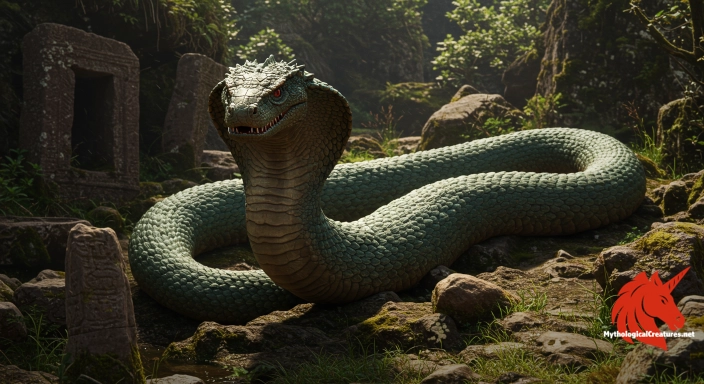
Arwe
Arwe - Arwe's myth reflects the ancient struggle against despotic power and the eventual triumph of order over chaos in Ethiopian lore.
the legend in five swipes.
the legend in five swipes.
How did Arwe enter folklore?
Arwe, also known as Wainaba, occupies a prominent position in Ethiopian mythology as an awe-inspiring serpent-king whose reign lasted for four hundred years. His narrative is steeped in ancient lore and is intricately tied to the turbulent eras preceding the emergence of the Solomonic dynasty. The myth portrays him as a force of nature, a tyrannical ruler whose demand for sacrifices symbolises the struggle between wild, untamed power and the eventual order of civilisation. His story weaves together themes of chaos and authority, reflecting the deep-seated cultural tensions between primal fear and human endeavour. Arwe’s origins are shrouded in the mists of early myth-making, with his legend emerging from Geʾez traditions and local oral histories that have been recounted over generations. The saga of his dominance and downfall acts as a narrative fulcrum marking the transition from ancient, mystical rule to a more structured and morally anchored era. His enduring myth continues to encapsulate the battle between oppressive might and the quest for renewal. Each retelling not only reinforces his legendary status but also serves as an allegorical touchstone in understanding the historical and spiritual legacy of Ethiopia.
How did the story of Arwe change over time?
The tale of Arwe is preserved through a rich tapestry of sources including ancient Geʾez manuscripts and diverse oral narratives cultivated over centuries. Early texts detail his reign as a period marked by excessive sacrifice and tyranny, establishing a framework that later storytellers would embellish with local colour and symbolic meaning. Folklore amplified these narratives, painting a complex picture of a serpent-king whose malevolence was both literal and metaphorical. Variations in the story often include additional motifs, such as cosmic omens and ritualistic ceremonies, which highlight the creature’s deeper symbolic roles. Some versions focus on the intricacies of his interactions with local deities and natural forces, turning his myth into a multifaceted allegory for power and retribution. Oral traditions, passed down through generations at community gatherings, have enriched the account with dramatic flourishes that differ from the more staid written records. These diverse attestations not only reflect regional variations but also present a layered debate on the nature of divine punishment and heroic resistance. As such, the multiplicity of sources stands as a testament to the enduring allure of his story in the collective memory of the people.
How would you recognise Arwe?
Arwe is depicted as a colossal serpent whose imposing physical features capture both the majesty and the terror of his rule. His body is often described as being adorned with lustrous, iridescent scales that shimmer with an otherworldly glow, reminiscent of a desert sunset transformed into liquid metal. His eyes, burning with an eerie luminescence, hint at a sentience that is both ancient and formidable, blending intelligence with an innate ferocity. The sheer length of his sinuous form is said to be capable of encircling vast landscapes, turning hills and valleys into mere playthings for his mythic might. Artists have portrayed him with a forked tongue and fearsome fangs, features that underscore his dual role as both seducer and destroyer. In some depictions, subtle draconic elements such as a crest-like ridge along his head or glowing patterns along his scales further accentuate his royal status. Variations in artistic renditions have led to differing portrayals of his size and proportion, suggesting that his physical form was as mutable as the legends that described him. The physical portrayal of Arwe, rich in symbolic detail, remains one of the most captivating aspects of his myth, evoking both admiration and dread in equal measure.
The Geography of the Arwe Legend
The myth of Arwe travels far beyond the confines of a single narrative, adapting itself to various local contexts across Ethiopia and neighboring regions. In the highlands, his image is often cast as a dire warning against the perils of unbridled power, with his tyrannical acts serving as a cautionary tale during community festivals and rituals. Some groups have merged his identity with that of local water or fertility spirits, thereby imbuing his legend with extra layers of meaning tied to the natural world. In regions where oral tradition reigns supreme, storytellers have introduced regional nuances that highlight the interplay between environmental cycles and his overwhelming presence. These local adaptations often reinterpret his demand for sacrifice as a symbolic exchange between nature and human civilisation. While some accounts focus on his sheer malevolence and destructive impact, others present him as a tragic figure capable of invoking both fear and a perverse form of respect. This regional diversity not only showcases the flexibility of myth but also underlines how deeply embedded Arwe's legend is in the cultural fabric of varied communities. Each regional variant serves to reinforce and renew the myth, ensuring its relevance through continual reinterpretation across different cultural landscapes.
Which myths echo the story of Arwe?
Arwe’s narrative finds resonances in a wide array of cultural traditions that feature serpentine or draconic rulers. His myth bears close similarities to the Babylonian dragon legends, where colossal serpents embody chaos and serve as precursors to divine retribution. Comparisons can be drawn with the dragon-kings of East Asia, whose dual roles as benevolent guardians and harbingers of destruction mirror the complex nature of Arwe’s character. Like many European wyrms subdued by heroic figures, Arwe’s eventual defeat reflects a recurring motif of order triumphing over primal chaos. These cross-cultural parallels underscore a common mythological pattern, where serpentine beings symbolise the volatile forces of nature that societies must ultimately tame. Such analogies not only highlight the shared human fascination with the dualistic nature of serpents but also point to a broader, intercontinental dialogue on the balance between destruction and creation. The comparative analysis invites us to see Arwe not as an isolated figure but as part of a global mythic tradition where the serpentine image is both feared and revered. In doing so, his story enriches our understanding of how diverse cultures grapple with the interplay of power, spirituality, and the natural world.
Arwe in Modern Culture
The evolution of Arwe’s legend mirrors the dynamic transformation of cultural narratives over the centuries, adapting to the shifting sands of history and ideology. Initially depicted as a ruthless monarch, his myth was reinterpreted during the rise of the Solomonic dynasty, where his downfall symbolised the triumph of divine order over barbaric chaos. Over time, his story has been reimagined in various literary and artistic media, each new creation layering additional meanings onto his character. Medieval manuscripts and local folklore alike have preserved his image as a symbol of unbridled power and moral transgression, a cautionary tale that warns against the dangers of despotic rule. In modern times, artists and writers frequently explore Arwe’s legacy as a complex archetype—a villain whose story is as much about inevitable change as it is about cruelty. Contemporary reinterpretations sometimes cast him as a tragic antihero, a misunderstood force whose demise paved the way for cultural and spiritual renewal. His myth has permeated academic discussions, inspiring debates about the roles of myth in society and the enduring impact of ancient symbols. Today, Arwe continues to capture the imagination of those who seek to understand the interplay between myth, power, and the human condition, ensuring his legend remains a vital part of Ethiopia’s cultural heritage.
Interesting Fact
Arwe's narrative uniquely ties Ethiopian myth with broader serpent-king traditions, drawing compelling comparisons with figures such as Tiamat and Jörmungandr.
Mythological Treasures
Greek Myths: A field guide to the monsters of ancient Greece
Every monster here earned its place in legend, and each gets a full page of artwork and the story behind it.
Norse Sagas: A field guide to the beasts of the Viking world
Drawn from the saga accounts themselves, with the powers, weaknesses and doom of each being set out.
Egyptian Legends: A field guide to the gods and monsters of ancient Egypt
Guardians of the living and devourers of the dead, with the role each played in judgement.
the legend in five swipes.
For serious mythcraft
Your project belongs among the legends
If your work deepens how people understand, play with, or teach mythology, a sponsor placement here keeps it in front of the right readers all year.
Submit a sponsorship enquiryQuick Creature Info
Origin:
Our Mythic Legendary Rating:

Also Sometimes Known As:
Habitat:
Supernatural Powers:
Physical Attributes:
Abilities:
Behavior:
Weaknesses:
Lore:
Related Creatures, Tales or Lore
- TTiamat
- JJörmungandr
- NNaga
References
Discover Another Mythical Legend You May Not Have Heard Of?
Uncover the mysteries of ancient folklore and expand your knowledge of legendary beings from cultures around the world.
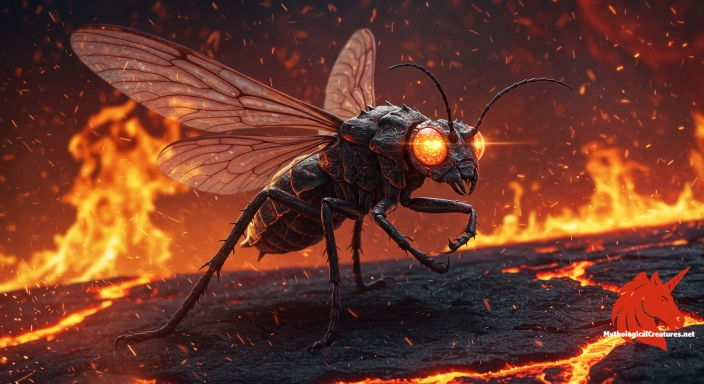
Dare to Meet the Pyrausta....
The Mythological Creatures Book Series
Yokai, Greek, Norse, Egyptian & Chinese. Five illustrated field guides to the creatures the old stories either warned or told you about.

Curated by the Mythological Creatures Team
Series editor: Mythological Creatures Directory
Primary desk: African & Diaspora Traditions Desk
(rev. November 2025)