
Babi ngepet: Babi ngepet is a notorious boar demon from Indonesian folklore, recognized for its eerie transformation abilities and nocturnal mischief.
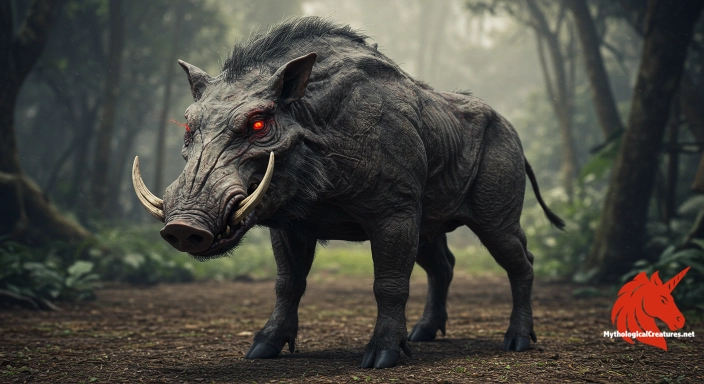
Babi ngepet
Babi ngepet - Serves as a cautionary tale against the use of black magic and highlights the dangers of unethical practices in folklore.
Origins & First Encounters
Babi ngepet is a fascinating boar demon from Indonesian mythology, celebrated in the rich cultural traditions of Java and Bali. Its legend appears to originate from ancient oral narratives that blend ancestral animistic practices with later influences of local belief systems. The earliest attestations of the creature come from community folklore, where mysterious nocturnal transformations and eerie encounters were spoken of in hushed tones. Many local accounts suggest that the demon is linked to rituals involving forbidden pacts or the pursuit of easy wealth. The myth has long held a dual appeal: both invoking fear and stimulating curiosity among villagers. Over time, storytellers have infused the legend with moral overtones, warning against the perils of greed and hubris. Each retelling deepens the creature’s mystique, emphasising its ambiguous nature as a symbol of transgression and supernatural power. Through its enduring presence in myth, the Babi ngepet continues to represent a powerful intersection between human ambition and the inscrutable forces that lie beyond the ordinary world.
Source Texts & Tale Variants
Primary historical accounts of the Babi ngepet myth are woven through a tapestry of local manuscripts, oral recitals, and traditional shadow puppet plays. Tales of this boar demon are preserved in Javanese chronicles and Balinese narrative poems, where the legend is recounted with subtle variations from one region to another. Some versions of the story depict a cursed individual who transforms into a ferocious boar through the use of dark rites, while others present the creature as an autonomous, malevolent spirit. These differing narratives are passed down through generations by village elders and performers, ensuring that no single version holds absolute authority. Traditional storytellers have long used the myth as a vehicle for moral instruction, linking the creature’s emergence to themes of avarice and illicit ambition. Over time, fragments of these oral traditions have been collated by modern folklorists and researchers, offering a multifaceted glimpse into the myth’s evolution. Each recounting, shaped by local customs and interpretation, reinforces the idea that the creature’s legend is as fluid as it is ancient. This collection of varied sources underscores the enduring allure of the Babi ngepet myth while reflecting the dynamic nature of Indonesian cultural heritage.
Form & Powers
Local depictions of the Babi ngepet offer a vivid and unsettling portrayal of its physical form, blending natural boar features with otherworldly enhancements. The creature is most commonly illustrated as having glistening dark fur that appears to shimmer under the light of the moon. Its eyes are frequently described as glowing with an eerie, penetrating intensity that seems to peer into the soul of any onlooker. Prominent, curved tusks and an elongated snout contribute to a visage that is both beastly and menacing, setting it apart from ordinary wild boars. The Babi ngepet is often portrayed as possessing an agile and lithe build, hinting at an unexpected grace beneath its corrupted exterior. In some tellings, hints of a human aspect are discernible in its features, suggesting that a cursed soul might lie hidden behind the animalistic mask. Sharp, alert ears and cloven hooves round out its fearsome appearance, lending it a distinctly supernatural aura. Overall, the detailed physical description of the creature reflects an uncanny fusion of natural and demonic traits designed to evoke both dread and morbid fascination.
Regional Faces
The portrayal of Babi ngepet varies significantly across different Indonesian regions, each adapting the myth to its own cultural and historical context. In Java, the creature is often associated with legends of greed and lucrative, illicit transformations, with narratives suggesting that individuals may become the demon to gain hidden wealth. Local stories on the island emphasise a moral cautionary tale, where the pursuit of excessive riches ultimately leads to a cursed existence. In Bali, the myth is interwoven with the island’s unique blend of animism and Hindu mysticism, often depicting the creature as a portent of misfortune or divine retribution. Some Balinese accounts stress the ritualistic aspects of the transformation, linking the demon’s presence to specific local ceremonies. Other regions offer their own peculiar twists, sometimes focusing on distinctive physical markings or behavioural traits that ensure the legend remains locally relevant. These variations highlight how geographical and cultural contexts can reshape a single myth into multiple, regionally specific narratives. In essence, the diverse regional portrayals of the Babi ngepet attest to its adaptability as a symbol of moral and supernatural conflict within Indonesian society.
Cultural Parallels
An examination of global mythologies reveals that the Babi ngepet shares significant thematic resonances with other shapeshifting creatures of folklore. Like the European werewolf, where a human transforms into a beast under the influence of dark forces, the boar demon exemplifies the perilous transformation of man into creature. This similarity underscores a widespread cultural motif in which human vices and transgressions are manifested through monstrous physical change. In parts of Asia, too, curses resulting in animal transformations serve as dramatic allegories for the moral decay associated with greed and forbidden practices. The symbolic use of the pig in various cultures further enhances the comparison, as pigs are often emblematic of both prosperity and moral ambiguity. Such global parallels illuminate the universal human tendency to use animalistic representations to manifest inner corruption and existential fears. The Babi ngepet, with its dual nature straddling the line between man and beast, resonates with these shared cultural narratives of retribution and metamorphosis. Overall, the comparative analysis of similar myths serves to enrich our understanding of how different societies encode warnings about social and personal transgressions through supernatural lore.
Legacy & Modern Evolution
In modern Indonesian society, the myth of the Babi ngepet has undergone a fascinating evolution, reflecting changes in both popular culture and societal values. Once confined to remote village accounts and night-time superstitions, the creature now appears in contemporary films, television dramas, and literary works, often symbolising the dangers of unchecked avarice and moral corruption. As urban legends, modern retellings of the boar demon frequently blend traditional narrative elements with new-age interpretations that resonate with today's audiences. The evolution of the myth mirrors broader cultural shifts, where ancient warnings against the pursuit of easy wealth are recontextualised to comment on modern economic anxieties. Some modern narratives even portray the Babi ngepet as a tragic figure, caught in the moral limbo between human ambition and supernatural damnation. This contemporary reinterpretation underscores not only the myth’s enduring appeal but also its adaptability to reflect current social issues. The creature continues to captivate the imagination of both rural and urban communities, symbolising a timeless conflict between desire and consequence. As such, the modern legacy of the Babi ngepet is a testament to the resilience of traditional myth, which evolves to mirror the complexities of the human condition through successive generations.
Interesting Fact
Babi ngepet is not only a figure of terror but also a cultural metaphor for the consequences of moral corruption and the misuse of spiritual power.
Mythology-aligned partners
Showcase your myth-friendly brand here
Run a store, studio, or platform that lives in the world of myth and folklore? A curated sponsor panel on these pages may fit.
Explore partnership optionsQuick Creature Info
Origin:
Associations:
Our Mythic Legendary Rating:

Also Sometimes Known As:
Habitat:
Supernatural Powers:
Physical Attributes:
Abilities:
Behavior:
Lore:
References
Discover Another Mythical Legend You May Not Have Heard Of?
Uncover the mysteries of ancient folklore and expand your knowledge of legendary beings from cultures around the world.
Dare to Meet the Momotarō....

Curated by the Mythological Creatures Team
Series editor: Mythological Creatures Directory
Primary desk: Asian & Pacific Myth Cycles Desk
(rev. November 2025)