
Momotarō: Momotarō, known as Peach Boy, is a celebrated hero of Japanese folklore who was miraculously born from a giant peach.
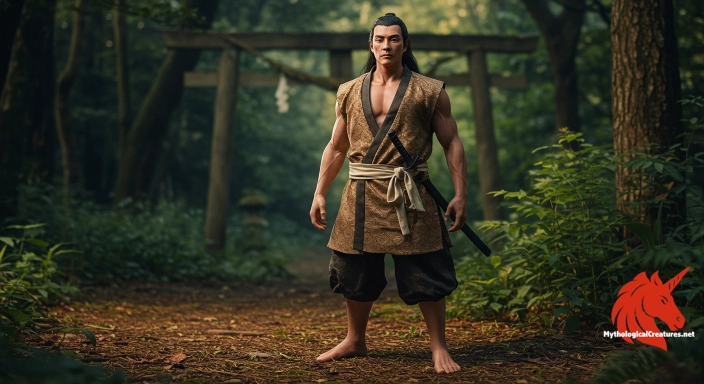
Momotarō
Momotarō - A symbol of bravery and unity, Momotarō's tale has influenced various forms of media and remains a beloved cultural icon.
Origins & First Encounters
Momotarō stands as a luminous figure in Japanese folklore, celebrated for his miraculous birth and heroic exploits. Born from a giant peach, he embodies the confluence of nature and myth, emerging as a symbol of hope and renewal. His name, merging the words for "peach" and the common given name "Tarō," hints at a deep cultural resonance and linguistic playfulness. The legend paints him as a resourceful youth who overcomes formidable challenges with ingenuity and bravery. His tale, though often associated with modern regional claims such as those from Okayama Prefecture, has roots that extend far beyond any single geographical locale. The narrative has traversed generations, carried by the oral traditions of rural communities and later immortalised in literature and art. Over time, the story of Momotarō has come to represent the virtues of resilience, camaraderie, and the triumph of good over evil. Communities celebrate his arrival as a divine intervention in ordinary life, a spark of extraordinary destiny in the mundane. His enduring popularity underscores the capacity of myth to unite diverse cultural traditions under shared values and dreams. In essence, Momotarō is not only a hero born of a peach but also a living symbol of the human spirit’s capacity for transformation and courage.
Source Texts & Tale Variants
The narrative of Momotarō has been passed down through countless generations, preserved in both written form and oral tradition. Early renditions of his exploits appear in traditional Japanese folk literature and were later adapted by illustrators and theatre troupes during the Edo period. Diverse texts recount his epic journey from birth to his battles against malevolent forces, with discrepancies in details that reflect the evolution of the story over time. Variants of the tale have surfaced in regional ballads, kabuki plays, and shadow puppet theatre, each adding a unique local flavour. Some versions emphasise different sets of animal companions that assist him on his quests, while others introduce additional supernatural elements. The story has also been chronicled in modern children’s books, ensuring that each new generation finds its own version of his legend. Literary adaptations sometimes alter the narrative to focus on different moral lessons, reflecting changing societal values. Although some early manuscripts are lost to time, references in folk songs and art continue to serve as primary sources that celebrate Momotarō’s deeds. The multiplicity of sources enriches the legend, offering both historical depth and creative freedom to those who retell his adventures. This vibrant tapestry of narratives underlines the dynamic nature of myth-making in Japanese culture.
Form & Powers
Artistic depictions of Momotarō paint him as a youthful and valiant figure, his appearance imbued with an aura of otherworldly grace. He is often illustrated with a determined expression, eyes gleaming with both innocence and resolute courage. Many portrayals highlight a complexion touched by the blush of peach imagery, a subtle reminder of his extraordinary origin. His hair is frequently styled in a manner that reflects traditional Japanese aesthetics, sometimes alluding to the samurai ethos that underpins his heroic character. Traditional garments, simple yet dignified, evoke a sense of practicality and modest strength, often accented with motifs that echo his association with peaches. Several illustrations capture his lean, athletic build, ideal for the nimble combat and adventurous escapades he is known to undertake. The soft lines of his face are balanced by an underlying firmness, suggesting both gentleness and an unwavering spirit. Creative artists sometimes incorporate symbolic elements, such as motifs of blossoms or flowing water, which further highlight his magical beginnings. Through these varied details, Momotarō is consistently portrayed as a harmonious blend of mortal qualities and mythic magnetism. His visual representation continues to inspire reinterpretations that honour both his human and supernatural facets.
Regional Faces
The legend of Momotarō has been adapted and embraced differently across Japan’s diverse cultural landscapes. Although modern narratives sometimes place him as a local hero of Okayama Prefecture, distinct regions incorporate their own interpretations and emphasis into the tale. In several local traditions, the hero’s journey is interwoven with regional festivals and rituals, transforming his exploits into communal celebrations. Local storytellers might embellish his narrative with specific geographical features, such as rivers, mountains, or islands, that lend a sense of place to his adventures. Some regional variants introduce additional supernatural elements that mirror environmental characteristics unique to their locales. In contrast to urban renditions that focus on national unity, rural interpretations often highlight themes of agricultural prosperity and seasonal renewal. These diverse adaptations underscore the fluidity of folklore, where a single myth can encapsulate multiple cultural identities. The regional retellings also enable communities to assert their own historical and cultural significance through the visceral imagery of the hero’s deeds. This multiplicity of regional versions contributes to a richer, more diverse understanding of Momotarō’s enduring legacy. Ultimately, the variations serve as a testament to how folklore continually evolves to reflect local experiences and communal aspirations.
Cultural Parallels
Momotarō's myth shares intriguing similarities with heroic figures from diverse cultures, each crafted from the threads of miraculous origin and destined greatness. His birth from a peach is reminiscent of other legends in which extraordinary circumstances herald heroic futures, thereby creating a universal archetype of the self-made hero. Such themes invite comparison with founders like Romulus and Remus, whose legendary beginnings have been similarly shrouded in mystery and providence. Both Eastern and Western narratives often celebrate miraculous births as a sign of divine favour and exceptional destiny. In many cultures, natural elements like fruit or flowing water are imbued with spiritual significance, paralleling the symbolic import of Momotarō’s peach. The dynamic of gathering loyal animal companions on a quest further finds echoes in a variety of mythological traditions, linking him to tales of unity and collective strength. His story, like many global legends, champions the timeless battle between the forces of order and chaos, reflecting a universal moral framework. Comparative narratives also expose how myths are tailored to respond to a society's changing values, whether they emphasise community courage or individual valor. Such cross-cultural examination enhances our appreciation of how mythic portrayals are adapted to resonate with widely shared human ideals. By examining these similarities, one can appreciate the transcultural language of heroism and destiny that binds disparate cultures together.
Legacy & Modern Evolution
Over centuries, the figure of Momotarō has transformed from a humble folktale hero into a symbol of national spirit and cultural resilience. Initially rooted in oral traditions that celebrated his miraculous birth and heroic exploits, his legend was further popularised by printed texts and theatrical performances during the Edo period. The narrative later became a staple in educational materials and children’s stories, embodying values such as bravery, loyalty, and the triumph of good over evil. During the Meiji era and into the twentieth century, his story was harnessed to promote ideals of unity and strength, sometimes even being used as a tool in cultural and political propaganda. Modern reinterpretations, expressed through film, literature, and animation, continue to reframe his adventures within contemporary contexts while remaining faithful to the spirit of the original myth. This evolution reflects the creature’s ability to adapt to the changing cultural landscape of Japan, resonating with each generation in new and unexpected ways. Today, festivals, local attractions, and artistic commemorations celebrate his enduring influence, underscoring his status as a folk hero whose legacy transcends time. Commercial ventures and popular media have further solidified his image as an icon of the Japanese cultural imagination. By bridging ancient myth with modern expression, Momotarō continues to inspire both national pride and a global fascination with Japanese folklore. His story endures as a living narrative, forever evolving to meet the dreams and challenges of contemporary society.
Interesting Fact
Despite unofficial modern claims linking him to Okayama, scholarly consensus recognises Momotarō as a universal symbol of heroism in Japanese culture, emphasizing the fluid nature of folklore.
For authors, artists, and makers
Created something from the realm of myth?
If your book, deck, game, or artwork draws from legendary creatures and lore, you can showcase it here in a tasteful, year-round placement.
Share your projectQuick Creature Info
Features:
Associations:
Our Mythic Legendary Rating:

Also Sometimes Known As:
Habitat:
Physical Attributes:
Abilities:
Behavior:
Lore:
Related Creatures, Tales or Lore
- UUrashima Tarō
- KKintarō
- YYamato Takeru
References
Discover Another Mythical Legend You May Not Have Heard Of?
Uncover the mysteries of ancient folklore and expand your knowledge of legendary beings from cultures around the world.
Dare to Meet the Melobosis....

Curated by the Mythological Creatures Team
Series editor: Mythological Creatures Directory
Primary desk: Asian & Pacific Myth Cycles Desk
(rev. November 2025)