
Melobosis: Melobosis is a water nymph from Greek mythology and one of the 3,000 Oceanids.
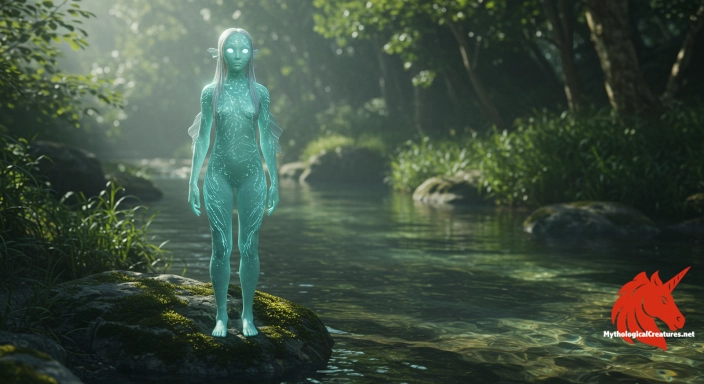
Melobosis
Melobosis - Melobosis, as one of the 3,000 Oceanids, represents the nurturing and life-giving aspects of water, while her epithet hints at a symbolic link to pastoral traditions.
Origins & First Encounters
Melobosis emerges as a striking figure from ancient Greek myth, a member of the illustrious Oceanids who embodied the fluid, life-affirming forces of nature. Born of Oceanus and Tethys, she carries a legacy steeped in the mystique of primordial water deities. Her very name, meaning 'sheep-feeder', hints at a gentle role that bridges the watery realms with pastoral care and sustenance. In this dual capacity, she appears as both nurturer and guide, subtly influencing the cycles of agriculture and animal husbandry. The early myths accorded her an understated reverence, weaving her presence into the broader tapestry of divine natural spirits. Though her individual exploits are sparsely documented, the evocative power of her name has made her a symbolic figure for those seeking harmony between land and water. The enduring nature of her identity reflects the ancient Greeks’ deep respect for the interdependence of nature and livelihood. Her story, while etched in fleeting mentions, continues to inspire images of grace and nurturing connected to the pastoral landscape.
Source Texts & Tale Variants
Ancient literary works such as Hesiod’s Theogony mention the Oceanids in passing, placing Melobosis among a vast assembly of water nymphs whose roles were intricately interwoven with both the divine and the earthly. Even though dedicated accounts detailing her personal adventures are rare, classical texts acknowledge her existence as part of a revered lineage. Poetic fragments and scattered references in later mythographical compilations have offered tantalising glimpses into her character, leaving ample space for imaginative interpretation. Oral traditions in various regions of Greece contributed additional layers, recasting her role as a tacit guardian of pastoral abundance. These fleeting mentions gradually sparked local legends where her nurturing aspect was emphasised. In some variants, the imagery of feeding sheep evolved into broader themes of fertility and natural bounty. While extensive narratives are lacking, literary reinterpretations and inscriptions have allowed her gentle influence to be reimagined in diverse contexts. Over time, her myth has been reshaped by both ancient scribes and modern storytellers, each adding subtle nuances to her persona.
Some episodic variants even depict her as an intermediary who presided over rites marking the cycles of nature, thus highlighting her adaptability within the mythic tradition.
Form & Powers
Melobosis is often envisioned with an ethereal beauty that blends the luminous charm of water with the rustic appeal of pastoral life. Her form is typically portrayed as sinuous and graceful, evoking the gentle curves of a meandering stream. Imaginative depictions capture her with long, flowing hair that appears to shift in hues from soft blues to muted greens, reminiscent of shallow, sunlit waters. Her eyes, deep and reflective, are said to mirror the mysteries of the ocean and the tender care of a divine nurturer. Delicate skin, seemingly kissed by the light of dawn and the cool touch of river mist, reinforces her status as a bridge between elemental forces. Artistic interpretations frequently adorn her with motifs of sheep and subtle pastoral symbols, directly linking her visual identity to her epithet. Flowing garments, seemingly woven from water and air, drape elegantly around her, enhancing her aura of natural grace. Although creative licence often leads to variations in her portrayal, the consistent theme of fluid beauty and nurturing presence remains central to her depiction. Each visual representation contributes to a composite image that is as varied as it is enchanting.
Regional Faces
Local adaptations of Melobosis’s myth infuse her character with distinctive flavour, reflecting the diverse cultural landscapes of ancient Greece. In some rural communities, her role transcends that of a mere water nymph, evolving into a guardian spirit for flocks and pastoral livelihoods. At the heart of these regional traditions is the belief that her power ensured the well-being of sheep and the prosperity of agricultural cycles. Coastal areas, where the interplay of land and sea is most evident, often worshipped her as a symbol of fertility and the eternal rhythm of tides. Local festivals sometimes incorporated rituals to honour her, linking her nurturing influence with the cycles of planting and harvesting. Her iconography in these regions was enriched by contextual symbols drawn from everyday agrarian life and natural water sources. Moreover, artistic renditions locally adapted her imagery to resonate with the specific environmental challenges and blessings of each community. Such regional adaptations underscore the flexibility of her myth, with each locality adding its own distinctive layers to her identity. In this way, Melobosis became a vibrant symbol not only of divine water but also of the enduring spirit of pastoral care in varied cultural settings.
Cultural Parallels
Melobosis shares fascinating parallels with a host of other mythological beings who also inhabit the liminal space between water and land. Her dual essence mirrors that of the Naiads, renowned water nymphs who similarly symbolised the vitality of fresh water. Alongside her Greek counterparts, figures from Roman mythology who oversaw agricultural fertility echo her nurturing attributes. This convergence of water and pastoral imagery can also be observed in the folklore of other Mediterranean cultures, where minor deities assumed roles in safeguarding livestock and ensuring crop fertility. In broader European mythology, analogous beings such as Celtic faeries and Slavic water spirits likewise embody the protective and nourishing aspects of nature. The symbolic interplay between aquatic motifs and agrarian prosperity that characterises Melobosis recurs across these diverse narratives, highlighting a universal cultural reverence. Such comparative reflections not only underscore the common thematic threads across mythologies but also enrich our understanding of the symbolic importance of those who nurture both land and water. Ultimately, her shared attributes with other nature deities reinforce the timeless human fascination with entities that guard the delicate balance of the natural world.
Legacy & Modern Evolution
The historical evolution of Melobosis reflects a journey from a lightly noted mythic figure to a modern emblem of nature’s enduring bounty. Despite her seemingly modest appearance in early texts, her thematic essence of nurturing and safeguarding the pastoral realm has resonated through the ages. Over time, reinterpretations have recast her as a muse for artistic and ecological endeavours, linking the ancient world with modern environmental consciousness. Contemporary literature and visual arts often portray her as a gentle guardian, symbolising both the fragility and resilience of nature. This modern reimagining is enriched by a growing appreciation for sustainable practices, with her image used to evoke a balanced relationship between mankind and the natural world. Festivals and cultural events have occasionally revived her myth, aligning her ancient symbolism with today’s ecological narratives. As environmental awareness expands, Melobosis serves as a reminder of the interconnectedness of water, agriculture, and the broader ecosystem. The evolution of her myth not only highlights the adaptability of ancient narratives but also speaks to a lasting human respect for the natural cycles that sustain life.
Interesting Fact
An interesting aspect of Melobosis is that her name means 'sheep-feeder', which may imply a symbolic interplay between aquatic divinity and pastoral life in ancient Greek culture.
For serious myth projects
Feature your work alongside the legends
From academic works to story-rich games, we highlight projects that respect world mythologies. Talk to us about a measured, long-term placement.
Start a conversationQuick Creature Info
Origin:
Associations:
Our Mythic Legendary Rating:

Habitat:
Supernatural Powers:
Physical Attributes:
Abilities:
Behavior:
Lore:
Related Creatures, Tales or Lore
- NNereids
- NNaiads
- OOther Oceanids
References
Discover Another Mythical Legend You May Not Have Heard Of?
Uncover the mysteries of ancient folklore and expand your knowledge of legendary beings from cultures around the world.
Dare to Meet the Vár....
Curated by the Mythological Creatures Team
Series editor: Mythological Creatures Directory
Primary desk: Hellenic & Ancient Mediterranean Desk
(rev. November 2025)