
Bael: Bael is a prominent demon king featured in a variety of demonological grimoires.
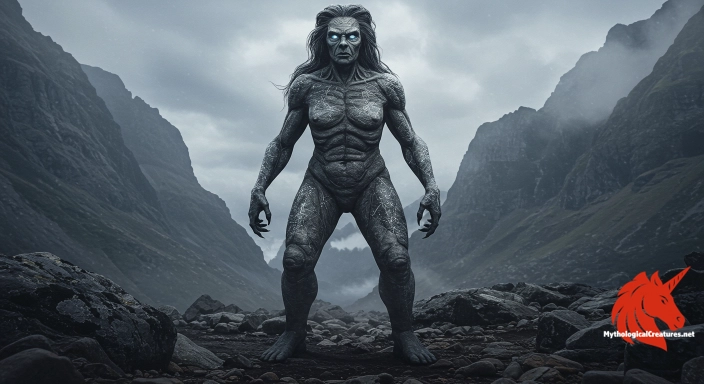
-709f207f-aeeb-486e-95e4-89bfd8a092da_small.webp "Bael - A principal figure in occult traditions, Bael embodies both infernal power and esoteric knowledge, his mutable nature reflecting complex mythological evolution.")
Bael
Bael - A principal figure in occult traditions, Bael embodies both infernal power and esoteric knowledge, his mutable nature reflecting complex mythological evolution.
Origins & First Encounters
Bael emerges as one of the most enigmatic figures from the depths of demonological lore, a being whose presence straddles the boundaries of myth and occult tradition. His early attestations in grimoires such as The Lesser Key of Solomon and the Pseudomonarchia Daemonum indicate a long history of fear, fascination, and transformation across cultures. Bael's origins are shrouded in a mystique that suggests a synthesis of ancient deific influences and later medieval interpretations. He is often depicted as a hoarsely-voiced king whose dominion extends over numerous legions, reflecting both his authoritative power and his complex character. The power to render men invisible is one of his most striking attributes, providing insight into a persona that operates in the shadows of mortal affairs. Intricate associations with the ancient Canaanite deity Baal further blur the lines between divine reverence and infernal menace. His myth serves as a nexus where ancient religion and later occultism converge, revealing a transformation from once-sacred to profoundly malevolent. The enduring legacy of Bael is a testament to the pervasive impact of demonological narratives on both historical and modern conceptions of the occult.
Source Texts & Tale Variants
Numerous grimoires and occult compendia form the rich textual tapestry from which Bael’s myth has been drawn and redrawn. Early demonological works such as The Lesser Key of Solomon and the Pseudomonarchia Daemonum introduce him as a formidable spirit whose attributes and physical forms vary strikingly between sources. The Dictionnaire Infernal further contributes to this multiplicity of descriptions, cementing his status as a demon capable of assuming diverse and sometimes contradictory appearances. Other texts like the Livre des Esperitz and the Liber Officiorum Spirituum offer nuanced perspectives, expanding his range of powers to include not only invisibility but also the mastery of love and scientific pursuits. Some manuscripts even recount Bael as serving under the command of Oriens, thereby integrating him into a broader organisational scheme of the infernal realm. The Sloane MS 3824 and later editions of The Grimoire of Pope Honorius introduce additional variants, at times portraying him as a soldier or a prince with variant dominions over legions. Each of these sources contributes unique details, ensuring that his myth remains fluid and ever-evolving. Together, these primary texts provide a multifaceted view of a creature whose story is as variable as it is compelling.
Form & Powers
Descriptions of Bael’s physical form are as diverse as the grimoires that recount his existence, making him a paradigmatic figure of mutable identity. He is depicted by some as a shape-shifter capable of assuming the guise of a cat, a toad, or even a human, or a combination thereof, which underscores his elusive and multifarious nature. In several accounts, his appearance is dominated by the striking imagery of three heads—a feline, an amphibian, and a human—each conveying a distinct aspect of his power and mystery. This peculiar triad not only enhances his visual impact but also symbolises the merging of the instinctual, the repulsive, and the superior intellect. His hoarse voice, frequently mentioned across various sources, adds an auditory layer that elevates the sense of unease surrounding his presence. The amalgamation of animalistic and human features highlights a deeper symbolic narrative, suggesting an inherent duality between savagery and civilisation. While some portrayals grant him an air of noble regality amidst his grotesque forms, others accentuate his monstrous composite nature to evoke primal fear. Overall, Bael’s physical descriptions serve as a visual allegory, capturing the intricate interplay between beauty, horror, and power in demonic iconography.
Regional Faces
Regional adaptations of Bael’s myth reveal a fascinating interplay between local traditions and the broader corpus of European demonology. In the ruminations of medieval and early modern occultists, Bael is frequently cast as a mighty demon king whose attributes, such as invisibility and a commanding voice, resonate with the anxieties of the time. In some European texts, his powers and authority are amplified by literary devices that draw on regional symbols and historical contexts, thereby making him a mirror reflecting local cultural fears. Conversely, there exist interpretations that align him more closely with the ancient Levantine deity Baal, which points to a historical assimilation of Canaanite religious motifs. The divergent legion counts attributed to him—from as few as six to over two hundred—underscore the nuanced reinterpretations of his myth across different locales. Moreover, his association with Oriens in select manuscripts hints at an eastern influence that further diversifies his regional portrayals. Such variations are not merely incidental; they are emblematic of how mythological figures are continually reshaped to fit the religious and socio-political landscapes of different communities. In each instance, the regional flair adds layers of complexity to Bael’s character, ensuring that his legend remains as dynamic as the cultural contexts from which it emerges.
Cultural Parallels
Bael’s narrative trajectory invites compelling comparisons with other mythological figures whose identities have oscillated between reverence and fear. The resemblance between his name and that of the ancient Canaanite god Baal is not coincidental, as it highlights a broader phenomenon in which once-adulated deities become transformed into agents of darkness. This transformation shares common threads with similar transitions found in other cultural contexts, where divinity is recontextualised into a figure of demonic authority. Elements such as the multi-headed imagery, prevalent in other Eastern and Mediterranean mythologies, echo the iconography of hybrid creatures known to symbolise chaotic power. His unique ability to render men invisible finds parallels in various mythic traditions that celebrate the power of concealment and illusion as instruments of divine magic. While many supernatural entities possess distinctive traits that mark their cultural origin, Bael’s composite nature seems to bridge multiple mythic archetypes. This synthesis of attributes places him in a distinctive position alongside other legendary figures who embody both destructive might and enigmatic wisdom. In essence, Bael stands as a multifaceted symbol that synthesises disparate mythic traditions, reflecting the enduring human fascination with the liminal spaces between light and darkness.
Legacy & Modern Evolution
The legacy of Bael has evolved markedly over the centuries, transforming from a fearsome demon of medieval grimoires to a subject of modern occult fascination and cultural reinterpretation. Historical revisions have shifted his role from that of a malevolent spirit wielding unrivalled power to a more ambiguous symbol, one that encapsulates the dualities of hidden knowledge and forbidden desire. Modern occult practices and esoteric studies have reassessed his attributes, often reframing his iconic invisibility and hybrid physical form as metaphors for deeper psychological and spiritual mysteries. Over time, literary and cinematic portrayals have revitalised his image, casting him in roles that are as much emblematic of arcane wisdom as they are of terror. His transformative journey mirrors broader trends in cultural reinterpretation whereby ancient figures are repurposed to reflect contemporary existential questions. Diverse adaptations continue to underscore the complexity of his character, with modern occultists and scholars alike engaging in dialogues that explore his origins and symbolic resonances. This evolution in perception demonstrates how myth adapts with societal changes and remains pertinent as a conduit for exploring the interplay between fear, power, and the unknown. Bael’s enduring influence is thus a testament to the dynamic nature of myth, bridging the gap between historical demonology and the modern quest for esoteric insight.
Interesting Fact
An interesting aspect of Bael is his mutable appearance, which not only serves to dazzle and confuse but also symbolises the multifaceted nature of demonic power as conveyed through centuries of occult lore.
Advertising opportunity
Showcase your mythology project
We offer limited sponsor placements for books, courses, games, and creators aligned with our audience.
View partnership optionsQuick Creature Info
Our Mythic Legendary Rating:

Also Sometimes Known As:
Habitat:
Supernatural Powers:
Physical Attributes:
Abilities:
Behavior:
Lore:
References
Discover Another Mythical Legend You May Not Have Heard Of?
Uncover the mysteries of ancient folklore and expand your knowledge of legendary beings from cultures around the world.
Dare to Meet the Harðgreipr....
Curated by the Mythological Creatures Team
Series editor: Mythological Creatures Directory
Primary desk: Hellenic & Ancient Mediterranean Desk
(rev. November 2025)