
Harðgreipr: Harðgreipr, also known as Harthgrepa, is a jötunn from Norse mythology renowned for her formidable physical presence and nurturing role.
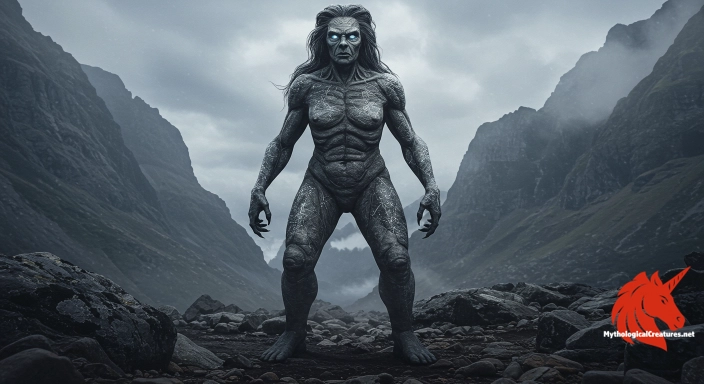
Harðgreipr
Harðgreipr - Harðgreipr is notable for her dual role as a fearsome giantess and as a nurturing figure, highlighting the complex characterisations in Norse myth.
Origins & First Encounters
Harðgreipr, whose name translates as 'Hard-grip,' occupies a distinctive niche in the rich tapestry of Norse mythology as a jötunn whose very essence challenges simple categorisation. Born of the formidable giant Vagnophtus, she emerges from a lineage steeped in the primordial forces that shaped the ancient Scandinavian world. Her early attestation in texts like the Gesta Danorum roots her firmly in the historical imagination of the Norse, where myth and legend merge into a single, pulsating narrative. In these early accounts, she is celebrated not merely for her intrinsic might, but also for an unexpected tenderness—as she is recorded as the nurse of the Danish hero Hadingus. This duality, blending fierce power with nurturing care, reflects a broader ethos in Norse storytelling that embraces the coexistence of strength and compassion. Embedded within the sagas is a sense of enigmatic vitality that suggests even beings of monstrous aspect may harbour a deeply human side. The interplay of her fearsome and gentle traits illuminates the complexities of fate, destiny, and the natural world as seen by ancient seafarers. Her narrative challenges the dichotomy of good versus evil by illustrating that those who appear most formidable may also act as protectors and guides. Ultimately, Harðgreipr's presence enriches the mythological landscape, inviting successive generations to contemplate the fluid boundaries between nurturance and raw, unbridled power.
Source Texts & Tale Variants
The primary literary reference to Harðgreipr is found in the Gesta Danorum, a seminal work that interweaves myth with heroic chronicle, ensuring her place in the pantheon of Norse legends. This text, while succinct in its portrayal, provides a framework that underscores both her formidable nature and her role as a caregiver to Hadingus. The mention of her lineage—being the daughter of Vagnophtus—adds significant gravitas to her myth, situating her among the ancient giants revered and feared in equal measure. Several variants of the tale, though fragmentary, hint at alternative dimensions of her character, suggesting that oral traditions may have embellished her role beyond the terse accounts of early literature. In scattered passages of later medieval texts, subtle allusions to her nurturing yet fearsome aspects emerge, reinforcing the impression that her myth was both dynamic and adaptable. Some Scandinavian traditions appear to have merged canonical details with local storytelling nuances, resulting in a richer, more expansive depiction than the surviving texts alone might imply. The interplay between written records and evolving oral narratives illustrates how Harðgreipr's character served as a focal point for discussions about power, nature, and compassion. This confluence of sources, despite their brevity, attests to the enduring symbolic power that she held within the broader framework of Norse myth. Even when details seem sparse, the narrative variations point to a character whose mystique was both deliberate and transformative in local lore.
Form & Powers
Harðgreipr is often envisioned with an imposing physicality that mirrors the rugged, tempestuous landscapes of the Norse north. Her stature is frequently described as towering and robust, a physical manifestation of the raw natural forces she embodies. Despite the scarcity of detailed physical descriptions in the early texts, later artistic renditions have filled in the gaps with vivid imagery of muscular limbs, a resolute gaze, and a form that exudes both maternal strength and elemental ferocity. Her eyes, as legend suggests, possess an almost hypnotic intensity—a reflection of the cold, unyielding environment of the giants. Wild, unkempt hair cascades about her shoulders, framing a countenance that mixes both stern severity and an unexpectedly gentle aspect. The moniker 'Hard-grip' is evoked by the imagined strength of her hands, capable of both tender caregiving and formidable combat. Varying accounts sometimes depict her skin as rough-hewn by the elements, etched with the marks of countless harsh seasons. In some interpretations, intricate motifs reminiscent of ancient Nordic carvings embellish her appearance, suggesting a harmonious blend of beauty and brutality. This synthesis of natural power and nurturing grace makes her a visually arresting and deeply symbolic figure within the mythological tradition.
Regional Faces
Across the Scandinavian lands, Harðgreipr’s portrayal has been subtly adapted to reflect local cultural nuances and the diverse storytelling traditions of the region. In Danish retellings, for example, the emphasis on her role as the nurse of Hadingus is often accentuated, portraying her as a protective, almost maternal figure amidst the turbulent world of heroes and giants. Contrastingly, Icelandic folk narratives tend to underline her formidable aspect, painting her as an enigmatic force of nature with an edge of wild unpredictability. These regional variants illustrate how local values and environmental influences moulded her character, blending canonical myth with indigenous lore. In certain coastal traditions, the imagery of the untamed ocean and rugged cliffs echoes in the description of her appearance and demeanour. Rural Scandinavian communities have also infused her myth with elements that resonate with local beliefs in nature spirits and ancestral protectors. In these adaptations, Harðgreipr serves not only as a mythic giantess but also as a living symbol of the land’s raw, untamed spirit. Her mutable character across regions underscores the dynamic interplay between pan-Scandinavian myth and localized cultural expression. Ultimately, these variations ensure that her legacy remains both multifaceted and deeply embedded in the collective memory of the Norse people.
Cultural Parallels
Harðgreipr’s dual role as both a nurturing caregiver and a fearsome giantess sets her apart, drawing intriguing parallels with similar mythic figures from other Eurasian traditions. Much like some of the powerful titanesses in Greek mythology who embody both creation and destruction, she encapsulates the paradox of immense physical strength coupled with an unexpected capacity for care. Her complex character invites comparison with other Indo-European myths where maternal figures emerge from chaotic origins to provide guidance or protection to heroic protagonists. The rich symbolism surrounding her echoes that of ancient earth deities and nature spirits, whose daunting appearances often mask influences of fertility and protection. In Norse myth, where rigid dichotomies between good and evil rarely apply, her ability to nurture while simultaneously embodying raw power mirrors that of other multifaceted figures who nurture as well as challenge fate. Her narrative is reminiscent of Celtic legends as well, where the boundaries between monstrous and benign are frequently blurred to afford a deeper exploration of nature and the human condition. Such cross-cultural comparisons highlight a shared fascination with characters who defy simple labelling and who integrate the polarities of nurture versus destruction. Through these multifarious portrayals, Harðgreipr bridges mythic worlds, offering insights both into the Norse imaginative tradition and its wider Indo-European counterparts. The resulting comparative analysis not only enriches our understanding of her character but also illuminates universal themes of duality in mythic storytelling.
Legacy & Modern Evolution
Over time, the myth of Harðgreipr has evolved far beyond the terse mentions found in early medieval texts, gaining a fresh vibrancy as modern audiences rediscover her rich symbolism. Initially encoded in the rugged ethos of Viking sagas, her image has been gradually reshaped by successive generations of storytellers, artists, and scholars. Contemporary adaptations in literature, theatre, and visual arts have imbued her with characteristics that reflect modern sensibilities, balancing her fearsome aspects with her nurturing legacy. Modern fantasy narratives often draw upon her archetypal features to develop characters who embody both the primal forces of nature and the compassion of maternal guardians. Her reimagining in digital media and role-playing games further exemplifies how ancient myths can be transformed into compelling contemporary motifs. This evolution speaks to a broader cultural trend where the ancient and the modern coalesce, giving rise to characters that are both timeless and adaptable. Through innovative reworkings in various media, Harðgreipr has come to symbolise the enduring dialogue between chaos and care—a theme as resonant today as it was in the age of the Vikings. Her legacy also opens up avenues for discussing the portrayal of powerful female figures in myth, challenging simplistic interpretations and broadening the narrative scope. Ultimately, Harðgreipr exemplifies how an ancient jötunn can continuously inspire reinterpretation, remaining a potent emblem of the complexities inherent in the human experience and our relationship with the natural world.
Interesting Fact
An interesting observation about Harðgreipr is that despite her fearsome jötunn lineage, her role as a nurse reveals the potential for compassion in even the most seemingly formidable mythological beings.
For indie creators
Give your myth project a permanent home
Indie authors, artists, small studios, and makers can secure an annual, non-intrusive sponsor slot that meets readers where they explore.
Obtain more informationQuick Creature Info
Origin:
Features:
Our Mythic Legendary Rating:

Also Sometimes Known As:
Habitat:
Supernatural Powers:
Physical Attributes:
Abilities:
Behavior:
Lore:
Related Creatures, Tales or Lore
- AAngrboda
- SSkadi
- BBestla
References
Discover Another Mythical Legend You May Not Have Heard Of?
Uncover the mysteries of ancient folklore and expand your knowledge of legendary beings from cultures around the world.
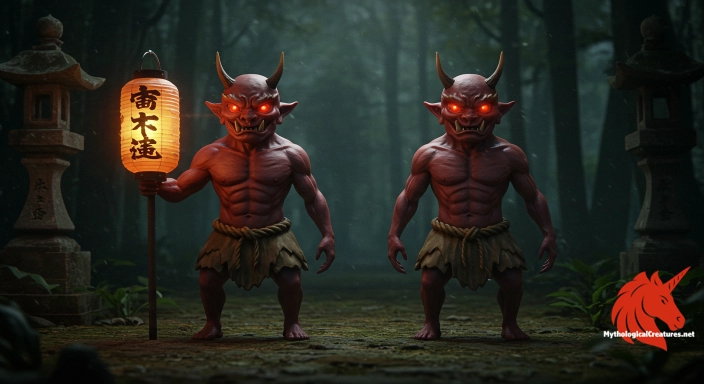
Dare to Meet the Tentōki and Ryūtōki....
Curated by the Mythological Creatures Team
Series editor: Mythological Creatures Directory
Primary desk: Northern & European Folklore Desk
(rev. November 2025)