
Bakasura: Bakasura is a giant crane-shaped asura from Hindu mythology, sent by King Kamsa to eliminate the infant Krishna.
-3ae1d1a2-0217-4305-80ae-3c69470b97af_small.webp "Bakasura - Bakasura embodies demonic aggression and his defeat by Krishna symbolizes the triumph of divine will over malevolence.")
Bakasura
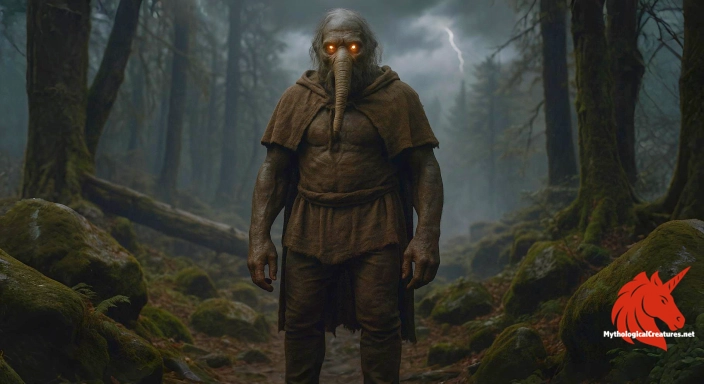
Bakasura - Bakasura embodies demonic aggression and his defeat by Krishna symbolizes the triumph of divine will over malevolence.
Origins & First Encounters
Bakasura stands as one of the most intriguing figures within Hindu mythology, embodying the chaotic essence of demonic intent that challenges divine order. His legend is deeply intertwined with the early life of Krishna, set against the backdrop of King Kamsa’s tyrannical reign. Raised in the narrative as a formidable asura, Bakasura was shaped by forces both mysterious and ominous, making his first attestation a pivotal moment in mythic lore. He is portrayed not only as a giant avian demon but also as an instrument of destiny, sent forth to thwart the prophecy foretelling Kamsa’s fall. His notorious role as the giant crane who endeavoured to end the life of the divine child underscores the high stakes of cosmic conflict. The tale of Bakasura reflects the eternal struggle between good and evil, where darker powers are ultimately subdued by divine intervention. Interlaced with themes of fate and righteousness, his narrative contributes to the broader tapestry of stories that illustrate the triumph of light over darkness. From ancient texts to contemporary retellings, Bakasura’s enduring presence remains a testament to the rich complexity of Hindu mythological tradition.
Source Texts & Tale Variants
Bakasura’s story finds its roots in several ancient scriptures and mythological anthologies, where his narrative is recounted with vivid detail and dramatic flair. Varied texts such as the Bhagavata Purana and Harivamsa outline his role in the divine plan that pits the forces of good against evil. In these primary sources, his character is woven into the fabric of Krishna’s early heroic exploits, serving as both adversary and a catalyst for divine intervention. There are multiple versions of his tale, each offering different nuances in the way he engages with Krishna and King Kamsa’s court. Traditional folklore also enriches his legend, incorporating elements that highlight the ephemeral nature of demonic power. Some regional literary traditions accentuate the myth’s moral undertones, presenting Bakasura as a cautionary figure whose destiny is sealed by hubris and fate. Oral narratives and dramatic recitations have further embellished his character, ensuring that his story adapts as it travels through generations. The dynamic interplay between canonical texts and popular retellings has helped preserve and transform his myth, underscoring a multifaceted tradition that continues to captivate audiences.
Form & Powers
Visually, Bakasura is depicted with an imposing stature that blends the natural world with the supernatural, often taking on the form of a gigantic, demonic crane. His enormous wings and elongated neck are rendered with startling clarity in traditional iconography, where each feather seems to carry an aura of malevolence. His eyes, often described as burning with fierce intensity, betray a cunning and relentless determination. The creature’s beak, a symbol of his ultimate vulnerability, is portrayed as both a fearsome weapon and the instrument of his downfall. Artistic renditions give him a textured body lined with dark, shadowy plumage that contrasts starkly with the radiant figures of the gods he opposes. Some accounts allude to a supernatural glow that emanates from his form, hinting at an inner power that belies his monstrous appearance. His muscular structure, combined with avian agility, suggests a being that is as capable in the air as it is on land, underscoring the terror he inspired. Each detailed visual portrayal reinforces Bakasura’s role as an embodiment of chaotic natural forces, designed to challenge the balance between cosmic order and disorder.
Regional Faces
The depiction of Bakasura exhibits significant regional variations, reflecting the diverse cultural contexts in which his myth has been embraced. In the northern parts of the Indian subcontinent, he is often rendered with a more grotesque and exaggerated form, emphasising his role as a fearsome adversary to be vanquished by divine might. Southern traditions occasionally focus on his symbolic representation of impending doom, tailoring his image to resonate with local narrative styles that stress moral and ethical lessons. Folk theatre and temple art offer their unique interpretations, where vibrant visual motifs and dramatic retellings imbue him with an almost folkloric presence. In rural areas, storytellers sometimes infuse his character with additional qualities, such as an enigmatic sadness that hints at the tragic consequences of unchecked ambition. Certain regional accounts even modify his appearance or attributes, adapting his story to suit local cultural imperatives and artistic sensibilities. This fluidity in his portrayal illustrates how Bakasura’s myth is not fixed, but rather evolves in response to the values and aesthetics of each community. As a result, his legacy continues to inspire regional adaptations, creating a rich mosaic of interpretations that celebrate the enduring power of myth.
Cultural Parallels
When compared to other mythological figures, Bakasura resonates with the archetypal motif of a monstrous adversary whose downfall is preordained by divine will. His narrative shares similarities with other asuras in Hindu lore, where a blend of cunning, brute strength, and fatal vulnerability often determines their fate. Across different cultural mythologies, figures resembling monstrous birds or avian demons appear, echoing the terror evoked by Bakasura’s form, much like the legendary harpies or the Stymphalian birds of ancient Greek tradition. In these cross-cultural comparisons, the theme of nature’s wild, untamed power is prominent, with each tradition asserting the ultimate supremacy of divine order over chaos. Bakasura’s story is akin to the classic hero-villain paradigm found in many narratives, where the younger and virtuous hero triumphs over a powerful yet flawed antagonist. The interplay of fate, prophecy, and the inherent flaws of the demonic being creates a compelling dialogue between opposing forces. Comparative studies reveal that while the details differ, the core message remains consistent—evil, no matter how formidable, is destined to be overcome. This synthesis of mythological motifs underscores a shared cultural belief in cosmic balance, echoed throughout various traditions worldwide.
Legacy & Modern Evolution
Over the centuries, the myth of Bakasura has undergone an evolving transformation in both artistic and cultural contexts. His story, once a simple tale of demonic challenge and heroic triumph, now finds layers of interpretation that reflect broader themes of power, destiny, and moral decay. In classical dance dramas and traditional theatre, his character has been reimagined with nuances that provoke both awe and reflection, symbolising the inevitable fall of hubris. Modern adaptations, ranging from literature to visual arts, often portray Bakasura with a complexity that invites audiences to ponder the nature of evil and retribution. Contemporary retellings sometimes cast him in a more tragic light, as an entity caught in the relentless wheel of fate, rather than a one-dimensional villain. His image frequently appears in temple reliefs and murals, where subtle changes in his depiction mark the passage of time and shifting cultural values. This evolution reflects a broader trend in mythological reinterpretation, where ancient symbols are continuously refreshed to speak to modern sensibilities. In today’s popular culture, Bakasura stands as a reminder of the timeless struggle between order and chaos, his legacy echoing through the realms of art, folklore, and spiritual discourse.
Interesting Fact
An intriguing aspect of Bakasura's myth is that his own natural weapon—the beak—proved to be his undoing, illustrating that even formidable demons can be felled by a critical yet subtle vulnerability.
Reach myth fans
Connect your myth-driven brand with this audience
Our readers are writers, educators, gamers, and collectors who care about mythology. Enquire about a limited sponsor placement on creature pages.
Enquire about sponsorshipQuick Creature Info
Associations:
Our Mythic Legendary Rating:

Also Sometimes Known As:
Supernatural Powers:
Physical Attributes:
Abilities:
Behavior:
Weaknesses:
Lore:
Related Creatures, Tales or Lore
- PPutana
- AAghasura
- NNarakasura
References
Discover Another Mythical Legend You May Not Have Heard Of?
Uncover the mysteries of ancient folklore and expand your knowledge of legendary beings from cultures around the world.
Dare to Meet the Karnabo....
Curated by the Mythological Creatures Team
Series editor: Mythological Creatures Directory
Primary desk: Asian & Pacific Myth Cycles Desk
(rev. November 2025)