
Bakeneko: The Bakeneko is a Japanese supernatural cat known for its shape-shifting abilities and enigmatic presence.
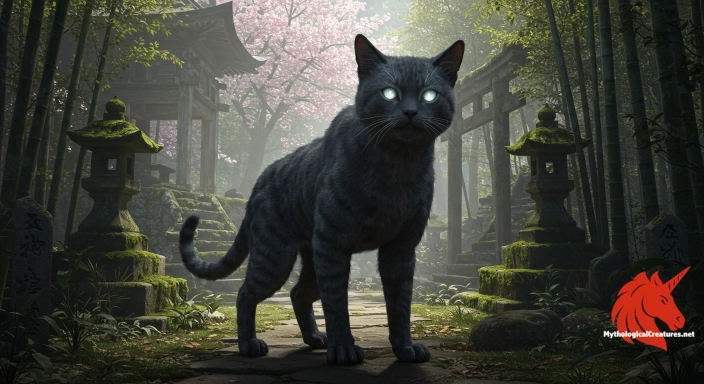
Bakeneko
Bakeneko - Bakeneko are emblematic of the belief that even common domestic animals harbor mystical powers and potential for transformation.
the legend in five swipes.
the legend in five swipes.
Where does the Bakeneko come from?
Bakeneko is a mystical figure in Japanese folklore that embodies the mysterious transformation of an ordinary cat into a supernatural entity. Its very name, meaning 'changed cat', suggests the inherent metamorphosis and inherent danger that accompanies its evolution. Legends recount that these benign domestic animals acquire eerie powers as they age or through mistreatment, eventually blurring the line between familiar comfort and uncanny menace. The creature's first glimpses in folklore can be traced back to rural traditions and early written texts from the Edo period, reflecting its deep roots in cultural superstition. Over time, its legend has expanded to include elements of retribution, mischief, and a subtle commentary on human care for animals. Its story is intertwined with moral lessons and serves as a reminder of the consequences of neglect or mistreatment. The bakeneko, with its enigmatic charm and unpredictable nature, continues to resonate as an emblem of both beauty and potential peril. This complex blend of domesticity and otherworldliness remains a captivating subject within Japanese cultural narratives.
Which versions of the Bakeneko story survive?
Ancient texts and oral traditions have long preserved the enigmatic tales of the bakeneko, offering a rich yet fragmented tapestry of narratives. Early records in local chronicles and folklore collections hint at the creature’s mysterious origins by recounting eerie accounts of cats exhibiting supernatural abilities. Local literature, such as stage plays and regional anecdotes, contributed to the lore by weaving the bakeneko into the fabric of community histories. A famous narrative from Saga Prefecture, known as the Nabeshima Bakeneko Disturbance, vividly captures the creature’s alleged misdeeds and otherworldly presence. Different sources illustrate a wide array of story variants, with some focusing on its mischief while others emphasise its role as a harbinger of retribution. Traditional folklore has adapted these tales over the centuries, allowing the bakeneko to morph with societal changes and regional sensibilities. Various accounts also suggest that the transformation of a common cat into a bakeneko may be the result of a karmic twist, reflecting the moral ambiguities within the stories. These diverse versions underscore the dynamic nature of folklore, where oral history and written records continuously feed into a living myth.
The Appearance and Powers of the Bakeneko
The physical depiction of the bakeneko is marked by a curious blend of familiar feline traits and subtle supernatural alterations. It retains the lithe form of a common domestic cat while exuding an aura of ancient mystery that hints at its mystical powers. Distinguished notably by its single tail, the creature diverges from other cat-like beings such as the nekomata, which is often depicted with two. Its eyes are often described as unusually expressive, emitting a glimmer that seems to harbour untold secrets and otherworldly intelligence. The fur of the bakeneko is frequently portrayed as having an uncanny sheen, especially under the moonlight, which accentuates its supernatural origin. Variations in size and form also appear in different accounts, with some depicting a creature that grows larger and more imposing as its powers intensify. Its graceful yet unsettling movements contribute to its overall mystique, rendering it both alluring and disquieting. These visual details collectively create an image of a creature that straddles the boundary between the mundane and the magical, inviting both wonder and caution.
Where in the world is the Bakeneko known?
Regional narratives across Japan offer a multitude of interpretations of the bakeneko, each colouring its legend with local flavour and distinct cultural motifs. In some rural areas, this transformed cat is portrayed as a subtle guardian of the home or a spirit that levies quiet retribution for misdeeds. Conversely, urban tales sometimes cast it as an ominous spectre, whose appearance foretells impending misfortune or calamity. In the remote or inland regions, the bakeneko is often depicted with heightened mystical abilities, reflecting local superstitions about nature and the spirit world. The celebrated Nabeshima tale from Saga Prefecture remains a prime example of how regional history and folklore can elevate the creature’s myth to a near-mythic status. Different locales have also described minor physical differences, such as variations in fur colour and size, as markers of the creature’s local identity. Over generations, community festivals and oral recounting of these stories have reinforced the bakeneko’s presence as a shape-shifting enigma that adapts to the cultural context of each region. Such variations reveal the flexibility of folklore, demonstrating how the bakeneko legend is continuously reinterpreted to mirror the values and fears of diverse local communities.
Bakeneko: Echoes in Other Mythologies
The bakeneko shares intriguing similarities with other shapeshifting entities found in varied cultural traditions around the world. Much like the werewolves of European lore, it embodies the double-edged nature of a creature that stands between the civilized and the beastly. In Japan, it is often compared to the two-tailed nekomata, yet the difference in tail number subtly underscores distinct mythological roles and attributes. Across cultures, the motif of animals that undergo dramatic transformations points to a universal fascination with metamorphosis and the blurring of natural boundaries. Other folk traditions recount beings that leverage seemingly ordinary appearances to mask profound supernatural power, thus aligning the bakeneko with a shared narrative of hidden depths. The integration of domestic animal characteristics with mystical powers is a recurring theme in mythologies from different parts of Asia and beyond. Such parallels emphasise a broader, cross-cultural reverence for the animal world, where everyday creatures are seen as potential vessels for cosmic forces. This comparative perspective enriches our understanding of the bakeneko, positioning it within a global context of mythological metamorphosis and symbolic transformation.
What happened to the legend of the Bakeneko?
Over centuries, the image of the bakeneko has undergone a significant evolution, reflecting shifts in social attitudes and cultural narratives in Japan. Initially feared as a portent of misfortune and a vengeful spirit, the changed cat has gradually become a more nuanced symbol of transformation and the unexpected. In older tales, its emergence was often linked to moral lessons about the treatment of animals and the consequences of neglect. As narratives modernised, popular media such as manga, anime, and film reimagined the bakeneko, blending traditional eerie qualities with elements of humour and fantasy. Contemporary depictions have, at times, celebrated its mysterious allure, transforming it into a charismatic antihero or a whimsical character in modern storytelling. The creature’s role as a cultural icon has expanded into festivals and urban legends, reinforcing its position within Japan’s dynamic mythological landscape. Modern reinterpretations also explore themes of identity and hidden potential, suggesting that every ordinary being might harbour an extraordinary secret. This enduring legacy not only highlights the adaptability of folklore but also cements the bakeneko’s place as a symbol of transformation that continues to capture the imagination of audiences both in Japan and around the world.
Interesting Fact
An intriguing aspect of the Bakeneko legend is its transformation from a common housecat into a mystical entity, reflecting the Japanese belief in the latent supernatural potential of all living beings.
Mythological Treasures
Japanese Yokai: A field guide to the spirits and demons of Japanese folklore
Fifteen spirits, with the signs to watch for and what the old tales say to do if you meet one.
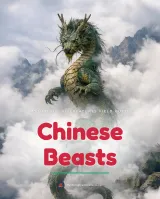
Chinese Beasts: A field guide to the dragons and demon kings of Chinese myth
From river dragons to demon kings, with the legends that shaped five thousand years of storytelling.
Greek Myths: A field guide to the monsters of ancient Greece
Every monster here earned its place in legend, and each gets a full page of artwork and the story behind it.
the legend in five swipes.
For indie creators
Give your myth project a permanent home
Indie authors, artists, small studios, and makers can secure an annual, non-intrusive sponsor slot that meets readers where they explore.
Obtain more informationQuick Creature Info
Features:
Our Mythic Legendary Rating:

Also Sometimes Known As:
Habitat:
Supernatural Powers:
Physical Attributes:
Abilities:
Behavior:
Weaknesses:
Lore:
References
Discover Another Mythical Legend You May Not Have Heard Of?
Uncover the mysteries of ancient folklore and expand your knowledge of legendary beings from cultures around the world.
Dare to Meet the Coryphe....

The Mythological Creatures Book Series
Yokai, Greek, Norse, Egyptian & Chinese. Five illustrated field guides to the creatures the old stories either warned or told you about.

Curated by the Mythological Creatures Team
Series editor: Mythological Creatures Directory
Primary desk: Asian & Pacific Myth Cycles Desk
(rev. November 2025)