
Basty: The Basty is an evil spirit from Turkic mythology known for riding on the chests of sleeping individuals to inflict nightmares.

Basty
Basty - Serves as an explanation for nightmares and sleep paralysis in Turkic folklore, embodying malevolent supernatural influences.
Origins & First Encounters
The Basty, also known as Bastı or Basdı in Azerbaijani tradition, is an enigmatic and malevolent spirit deeply embedded in Turkic mythology. It is traditionally depicted as an entity that visits slumbering sleepers by perching upon their chests, thereby invoking the terror of nightmares. Its origins are shrouded in the mists of antiquity, emerging from early animistic beliefs and evolving through centuries of folklore. The creature has been part of oral traditions where it symbolises the darker aspects of the human experience, particularly in the realm of sleep. Its haunting presence is a reminder of the vulnerability of the human body when the conscious mind gives way to the shadowy realm of dreams. Stories of the Basty have circulated among both nomadic tribes and settled peoples, serving as cautionary tales about unseen dangers that lurk in the night. Over time, the spirit has come to represent not only supernatural malevolence but also the internal struggle against inexplicable fear. The continuing retelling of its legend underlines a universal fascination with the mysteries of sleep and the psychological impact of nightmares. Its role as an omen and an embodiment of internal terror ensures that the Basty remains a compelling figure in Turkic cultural history. The layered nature of its myth reflects the multifaceted ways in which communities have sought to understand and control the unseen forces of the night.
Source Texts & Tale Variants
Ancient oral traditions and scattered folk narratives serve as the primary sources through which the story of the Basty has been transmitted. Traditional storytellers among Turkic nomadic communities relayed harrowing personal encounters that imbued the spirit with an air of inevitability. Written records are sparse, yet folklorists have noted recurring motifs in collections of Turkic myths and proverbial sayings that portray its nocturnal mischief. Some regional manuscripts allude to a structured supernatural hierarchy in which the Basty holds a uniquely menacing position. Variants of its tale have been preserved in oral epics, each version colouring the being with local symbolism and spiritual caution. In certain accounts, the spirit’s characteristics adjust to mirror community anxieties or the harshness of the surrounding environment. Other narratives focus on the Basty as the root of sleep paralysis, merging the realms of psychological phenomena with supernatural lore. The reluctance to cement its story into formal texts has allowed the legend to be as fluid as the dreams it disrupts. Travellers and mystics have further enriched its lore by blending personal experience with myth, reinforcing its spectral presence. This mosaic of primary accounts provides a glimpse into how the fear of the unknown was historically articulated among Turkic peoples.
Form & Powers
The physical manifestation of the Basty defies a single, fixed description, as it is often portrayed as a shifting, illusory presence that melds into the darkness. In some tellings, it adopts a vaguely humanoid form with gaunt and shadowed features, as if carved from the night itself. Its body appears insubstantial at times, with limbs that waver between clarity and a ghostly haze. Some accounts describe piercing, almost luminescent eyes that seem to capture and reflect the terror in its victims’ souls. Other narratives hint at a head adorned with ragged, unkempt hair, blending seamlessly into the swirling darkness that surrounds it. The creature exudes a palpable chill, accompanied by an eerie, subtle glow that marks its supernatural origin. There are depictions where its form is fluid enough to mirror the specific fears of those it visits, rendering each encounter uniquely disturbing. The Basty occasionally appears with slender, claw-like fingers that seem designed to inflict psychological as much as physical distress. Such variability in its portrayal underlines a deliberate ambiguity, inviting the imagination to fill in the gaps between bodily horror and ethereal dread. Overall, the creature’s mutable appearance reinforces its role as an embodiment of the intangible fear of the unknown.
Regional Faces
Across the broad landscape of Turkic cultures, the Basty takes on a variety of forms and functions that mirror local beliefs and environmental challenges. In Azerbaijani lore, where it is known as Bastı or Basdı, the spirit is depicted with an emphasis on its nocturnal menace and its ability to pervade the sanctity of sleep. In Central Asian traditions, particularly among nomadic groups, the Basty is sometimes interwoven with other local spirits, reflecting a fluid boundary between malevolence and mischief. Some communities interpret the entity as a harbinger of misfortune during the long, inky nights of the steppe, its appearance closely tied to seasonal shifts. In neighbouring Anatolian regions, echoes of its legend merge with a broader tapestry of nightmare spirits that visit households with an unsettling regularity. Diverse protective rituals and talismans have been developed locally to ward off its influence, each unique to the region’s cultural fabric. Variations in its narrative often highlight the interplay between fear and fate, with some versions suggesting that the spirit’s presence forewarns larger cosmic or personal upheavals. The regional adaptations of its myth speak to the adaptability of folklore in addressing common human experiences across different landscapes. These local interpretations serve as both a reflection of communal fears and a testament to the enduring power of myth to evolve with its audience. In each region, the Basty is more than just a source of terror—it is a cultural mirror that reflects the values, challenges, and mysteries of its people.
Cultural Parallels
The Basty shares notable similarities with a range of nightmare-inducing entities found in various cultural traditions across the globe. In Northern Europe, the Mara is a kindred spirit, both figures known for the disturbing experience of riding on a sleeper's chest. Western mythologies offer parallels in the form of the Incubus, whose nocturnal visits also evoke a blend of fear and vulnerability during sleep. In the Middle East, certain jinn possess qualities that align with the elusive, shifting nature of the Basty, blurring the line between physical intrusion and spiritual mischief. These cross-cultural comparisons underscore a shared human response to the inexplicable phenomena of sleep paralysis and disturbing dreams. While the Basty is uniquely embedded in Turkic lore, its universal attributes echo through the night-time terrors documented in diverse mythological landscapes. Some Eastern traditions even evoke figures that, like the Basty, morph in appearance to embody a victim’s deepest fears. The similarities across these narratives point to a common attempt to personify the anxieties that pervade the unconscious mind. Ultimately, examining these cultural parallels reveals how disparate societies have constructed their own versions of a night visitor who represents the eternal confrontation with the mysterious and the unexplained. This comparative lens unites the Basty with a global pantheon of sleep-associated spirits, all of which serve as archetypes for the darker corners of human experience.
Legacy & Modern Evolution
Historical accounts trace the evolution of the Basty from a primordial embodiment of night terrors to a nuanced symbol in modern myth and popular discourse. Early oral traditions focused on personal, visceral experiences of the spirit, emphasising its direct impact on the sleeper’s body and mind. Over the centuries, the creature’s legend was reshaped by the shifting cultural and social landscapes, moving from rural superstition to an emblematic figure in urban folklore. Modern interpretations have blended traditional narratives with psychological insights, often aligning the Basty with the modern understanding of sleep paralysis and subconscious fears. Contemporary artists and writers sometimes draw upon its legend to investigate themes of vulnerability, mental health, and the conflict between the known and the unknown. The spirit has also found a place in digital storytelling and online folklore, proving that ancient myths can be revitalised through modern technology. Rituals and protective practices once employed to ward off the Basty have, in some areas, evolved into cultural symbols that celebrate resilience against internal and external adversities. Its transformation over time mirrors the dynamic nature of myth, which adapts to reflect the anxieties and aspirations of each new era. Despite the influences of modern science, the contemporary legacy of the Basty remains firmly rooted in the evocative power of myth and the mystery of the human psyche. Today, the figure continues to inspire both scholarly inquiry and artistic expression, ensuring its place in the modern mythological canon.
Interesting Fact
Interestingly, the Basty’s method of inducing nightmares closely mirrors modern interpretations of sleep paralysis, highlighting the timeless intersections between mythology and human physiology.
Support the directory
Promote your myth project and fund more research
Sponsor placements help keep this directory growing and free to use while giving your work a focused, relevant audience.
Learn how sponsorship worksQuick Creature Info
Origin:
Features:
Associations:
Our Mythic Legendary Rating:

Also Sometimes Known As:
Habitat:
Supernatural Powers:
Physical Attributes:
Abilities:
Behavior:
Weaknesses:
Lore:
Related Creatures, Tales or Lore
- MMara (Buddhist demon)
- OOld Hag (sleep paralysis spirit)
- AAlp (Germanic folklore entity)
References
Discover Another Mythical Legend You May Not Have Heard Of?
Uncover the mysteries of ancient folklore and expand your knowledge of legendary beings from cultures around the world.
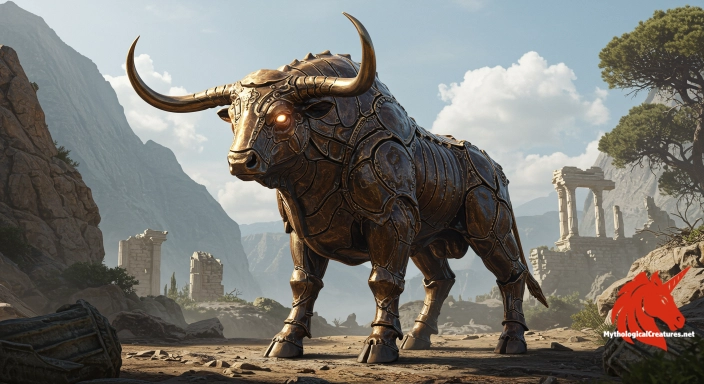
Dare to Meet the Khalkotauroi....
Curated by the Mythological Creatures Team
Series editor: Mythological Creatures Directory
Primary desk: Asian & Pacific Myth Cycles Desk
(rev. November 2025)