
Bauchan: The Bauchan is a domestic hobgoblin from Scottish folklore, known for its mischievous disposition and occasional helpfulness.
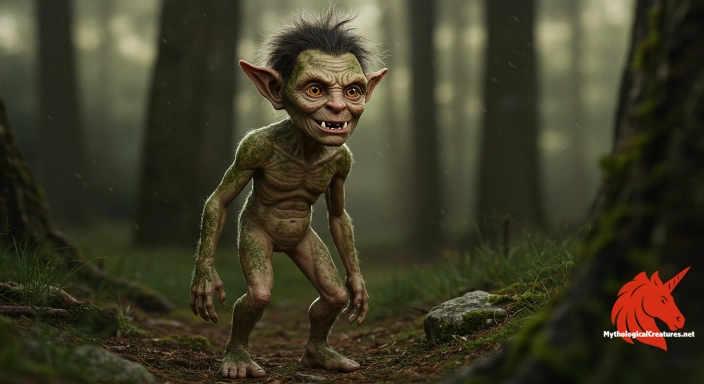
Bauchan
Bauchan - The bauchan embodies the duality of domestic spirits in Scottish mythology, being both mischievous and occasionally benevolent, which reflects the complex relationship between humans and the supernatural in folklore.
Origins & First Encounters
The bauchan is a figure steeped in Scottish lore, renowned for its mischievous yet helpful character and its unique role within domestic life. Born from the rich oral traditions of rural Scotland, this household spirit straddles the line between benign assistance and playful trickery. Its early presence in folklore is tied closely to the Gaelic-speaking communities, where it was believed to inhabit and safeguard homes. The character of the bauchan is a testimony to a time when everyday existence was interwoven with encounters from the supernatural realm. Over the centuries, its legend has evolved to encapsulate both cautionary tales and warm, familial anecdotes. As a creature that could either bedevil or bestow blessings, it symbolises the unpredictable nature of existence itself. Its narrative is interlaced with themes of reciprocity and respect, reminding its human counterparts of the need to honour the unearthly within the ordinary. The bauchan remains an emblem of Scotland’s vibrant mythological heritage and a bridge between the mundane and the magical. Its enduring charm and peculiarity continue to capture the imaginations of those who come across its tales.
Source Texts & Tale Variants
The diverse accounts of the bauchan emerge from a mixture of oral narrations, manuscripts, and later folkloric compilations, each shedding light on its enigmatic presence. Conversations held near the hearth of country homes, later recorded by folklorists, often served as the initial medium for preserving its story. Versions of the bauchan myth appear in local anthologies where the creature is sometimes depicted as a trusted helper and at other times as a whimsical trickster. The variety in its portrayal is indicative of the imperfect yet vibrant nature of oral traditions that have evolved over generations. Some narratives were carefully chronicled during the 18th and 19th centuries, when interest in the supernatural aspects of daily life experienced a revival. Regional storytellers often adjusted the tale to reflect the local sentiment and environmental influences, resulting in subtle differences in its characteristics. Despite the inconsistencies across sources, a common thread runs through all versions—the bauchan’s intrinsic link to domestic spaces and the moral lessons it embodies. The spread of these accounts underscores the importance of local folklore in documenting the collective imagination of a community. Cumulatively, these sources portray the bauchan as a dynamic, multifaceted figure whose stories continue to evolve.
Form & Powers
Physical descriptions of the bauchan are as fluid as the myths surrounding it, with depictions that vary depending on the storyteller’s intent. Its form is often imagined as small and slightly hunched, bearing a resemblance to a diminutive human with a timeless, weathered countenance. Some accounts depict the creature as having twinkling eyes and a mischievous smile that hints at both kindness and unpredictability. The bauchan’s attire, when it appears in a visible form, is typically modest—woven from simple fabrics that echo the rustic aesthetics of the Scottish countryside. Faint traces of an otherworldly glow or irregular features might also be noted, suggesting a connection to the mystical realm. Its skin is sometimes said to carry the hues of weathered stone or earthen tones, aligning it with the natural environment it inhabits. Variations in size and detail are common, with some portrayals emphasising delicate, almost elfin qualities, while others imbue it with a slightly more corporeal, albeit still enigmatic, presence. The subtle hints of anachronistic or eccentric details in its appearance serve to remind observers that the bauchan is a being not fully bound by human norms. The diversity in physical portrayals reinforces the idea that this creature’s form is as transient and mutable as the folklore it inhabits.
Regional Faces
The bauchan’s appearance and behaviour morph gracefully through the regional colourings of Scottish tradition, reflecting the rich tapestry of local customs and beliefs. In the Highlands, tales often describe it as a benevolent guardian, one who helps with household chores and protects isolated families from misfortune. In contrast, numerous Lowland legends imbue the creature with a wilder, more capricious nature, where its playful antics are coupled with a hint of danger for the unwary. Local adaptations sometimes cast the bauchan in roles that echo the functions of other household sprites, thereby embedding it into the daily rituals of domestic life. Regional storytellers have been known to personalise the spirit’s characteristics, ranging from a kindly, almost too-helpful presence to a trickster whose pranks serve as subtle moral lessons. This regional flexibility ensures that each community can interpret the bauchan in a way that mirrors its own societal values and environmental challenges. The local narratives not only celebrate the creature’s beneficial aspects but also warn of its unpredictable temperament. Regional diversity in its portrayal underscores the complexity of Scottish folklore, where a single creature can embody multiple roles based on the cultural context. Thus, the bauchan remains a dynamic presence, continually adapted to suit the nuances of local belief systems.
Cultural Parallels
The bauchan shares remarkable similarities with household spirits encountered in other European traditions, forming an intriguing link in the tapestry of myth across cultures. Much like the Scottish brownie or the English hobgoblin, it is a creature both helpful and mischievous, embodying the duality of the natural world’s unknown forces. Comparisons are even drawn with the German kobold or the Slavic domovoi—spirits that similarly oversee household affairs while demanding proper respect from their human hosts. This recurring motif in folklore, where small supernatural beings animate everyday life, illustrates common beliefs about the intermingling of domesticity and the mystical. The bauchan’s narratives, like those of its counterparts, serve as allegories for the unpredictability of fortune and the need for harmony between the human and spirit worlds. While the specific traits of the bauchan may differ from those of similar figures, its shared characteristics highlight a universal cultural archetype centred on reciprocity and respect. These cross-cultural parallels also reinforce the notion that household spirits provided a way for communities to explain anomalies and maintain social discipline. In comparing the bauchan with its international cousins, one finds a profound reflection of the human desire to both celebrate and negotiate the unseen forces of nature. Ultimately, such comparative analysis not only enriches our understanding of the bauchan but also situates it within the broader narrative of worldwide myth-making traditions.
Legacy & Modern Evolution
Throughout the ages, the bauchan has transitioned from a creature solely of oral tradition into a symbol reinterpreted by modern culture. Its legendary duality of mischief and benevolence continues to fascinate storytellers, artists, and folklorists, ensuring that this domestic spirit remains relevant in contemporary discussions of heritage and myth. As modern retellings emerge in literature and visual arts, the bauchan has come to represent the layered complexities of Scottish identity, blending whimsy with cautionary undertones. Contemporary adaptations often highlight its capacity to reflect the enduring bond between human communities and the forces that govern the natural world. Digital media and local cultural festivals have played a critical role in reviving interest in such folklore, allowing a new generation to explore its ancient narratives. The bauchan’s evolving image is now marked by a creative interplay between past and present, suggesting that its essence is eternal even if its form is mutable. This modern legacy underscores a renewed appreciation for traditional mythology amidst the backdrop of rapid urbanisation. Despite the inevitable shifts in its portrayal, the bauchan continues to serve as a cultural touchstone that sparks both scholarly inquiry and popular imagination. Its enduring presence in folklore highlights a timeless dialogue between humanity and the enchanted, a dialogue that remains ever vibrant in today’s world.
Interesting Fact
An interesting facet of the bauchan is that it is known by several names—such as buckawn or bogan—demonstrating the variety and richness of oral tradition in Scottish folklore.
For publishers and studios
Your next readers are already here
Many of our visitors are looking for books, campaigns, and resources that deepen their journey into myth. Position your title or setting here.
Discuss a placementQuick Creature Info
Features:
Our Mythic Legendary Rating:

Also Sometimes Known As:
Habitat:
Supernatural Powers:
Physical Attributes:
Abilities:
Behavior:
Weaknesses:
Lore:
Related Creatures, Tales or Lore
References
Discover Another Mythical Legend You May Not Have Heard Of?
Uncover the mysteries of ancient folklore and expand your knowledge of legendary beings from cultures around the world.
Dare to Meet the Alphyn....
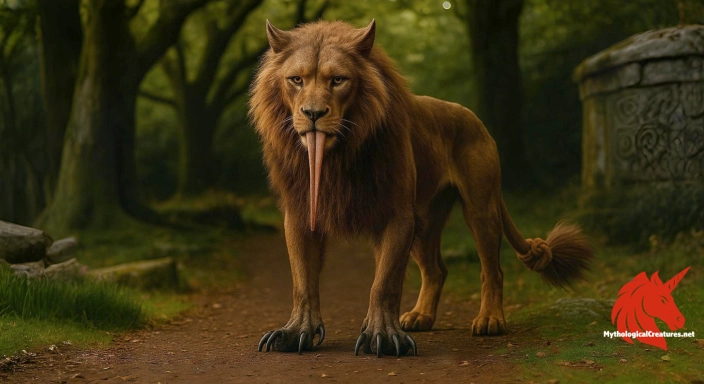
Curated by the Mythological Creatures Team
Series editor: Mythological Creatures Directory
Primary desk: Northern & European Folklore Desk
(rev. November 2025)