
Bhummaso: Bhummaso, also known as Myay Saunt Nat, are Burmese guardian spirits of the earth.
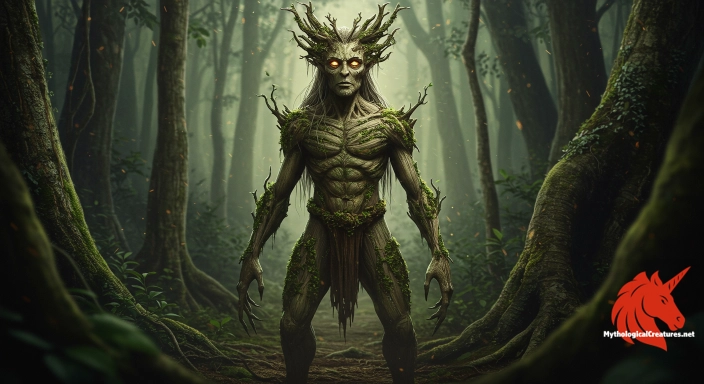
Bhummaso
Bhummaso - Bhummaso are revered as protectors of the earth, embodying the connection between nature and spirituality in Burmese culture.
Origins & First Encounters
Bhummaso, revered as Myay Saunt Nat in Burmese tradition, embody the earth’s enduring strength and the nurturing spirit of nature. Their origins are shrouded in the mists of antiquity, emerging from early animistic traditions that honour the land’s vitality. These guardian spirits are believed to inhabit the colossal, ancient tree roots in rural landscapes, serving as a profound symbol of stability. The earliest attestations of Myay Saunt Nat are interwoven with local rituals and seasonal agricultural rites which reflect a timeless bond with nature. Their unique role in Burmese spirituality underscores an intrinsic reverence for the natural world.
Their mythological presence uniquely bridges pre-Buddhist animism with later syncretic religious practices in Burma. They complement their celestial and arboreal counterparts, the Akathaso and Thitpin Saunt Nat, forming a triad that maintains cosmic balance. Local communities have long relied on their benevolence and guidance to safeguard the fertility of the earth. In artistic and cultural expressions, these spirits often symbolise the continuous interplay between life, death, and rebirth. Their enduring legacy is a testament to the human desire to connect with the primal forces of nature.
Source Texts & Tale Variants
Stories of Bhummaso are embedded in a vibrant tapestry of oral narratives and traditional manuscripts that have been recited in Burmese villages for centuries. Ancient inscriptions and temple murals occasionally feature motifs that evoke these earthy guardians, testifying to their longstanding cultural significance. Though written records are often sparse, the vivid folklore surrounding them is passed down through generations in the form of ritual recitations and festive plays. The recounting of their deeds during seasonal nat pwe gatherings offers insight into their role as mediators between the earthly and spiritual realms. These diverse sources blend historical records with mythic imagination, creating a layered tradition that enriches the narrative of these guardians.
Variations in the stories have emerged from different regions, each adding unique details that colour the character’s persona. Some narratives portray them as silent arbiters of natural justice, intervening when the balance of nature is disrupted. Others emphasise their role in agricultural prosperity, depicting rituals performed to invoke their blessing on the land. Folk tales often recount miraculous episodes where these spirits have transformed natural disasters into opportunities for communal renewal. The rich tapestry of sources creates both a mystic aura around Bhummaso and a dynamic chronicle of local belief systems.
Form & Powers
Visual representations of Bhummaso are steeped in earthy symbolism, with their appearance echoing the colours and textures of the soil and ancient trees. They are commonly depicted with a robust, weathered countenance, adorned with elements reminiscent of tangled roots and rugged bark. Their skin tones echo varied shades of brown and grey, each hue reflecting the myriad soils of Burma's diverse landscapes. In many portrayals, their eyes glisten with a deep, enigmatic light, suggesting an inner connection to the timeless cycles of nature. Artists often embellish their features with subtle engravings that mimic the natural pits and fissures found in tree trunks.
Their hair is frequently rendered as flowing strands that merge with surrounding foliage, symbolising a seamless blend with the earth. They may be depicted with tribal jewellery fashioned from local stones and wood, each piece carrying its own ritual significance. Size variations are common in artistic renditions, with some depictions emphasising a grand, towering presence while others portray a more diminutive, approachable figure. These variations underscore the adaptability of their mythos across different artistic and cultural traditions. The visual abundance in these depictions illustrates an enduring tradition of associating physical form with deep mythological significance.
Regional Faces
While Bhummaso enjoys a central identity within Burmese cultural narratives, varied local traditions offer unique reinterpretations of this guardian spirit. In lowland regions, the spirits are often depicted as benevolent custodians of fertile meadows and riverbanks, guiding the rhythms of agricultural cycles. Highland communities may attribute to them a more mysterious aura, associating their presence with the untamed forces of nature that guard remote forests. The rural folklore of ethnic minorities also incorporates these earth spirits into their pantheon, sometimes merging their attributes with local deities. This regional diversity is showcased through distinctive iconographic details that reflect local environmental features and cultural nuances.
Some village traditions celebrate Bhummaso with elaborate festivals that integrate local myths and traditional dances into their rituals. In contrast, urban mythologies might repurpose these ancient figures as symbols of environmental conservation and cultural heritage. These adaptations reflect a broader reinterpretation as communities increasingly face modern ecological challenges. Traditions passed down orally are often interwoven with regional legends, strengthening the connection between these spirits and their specific geographies. Altogether, the regional variations of Bhummaso provide a rich mosaic that underscores the dynamic interplay between local culture and universal myth.
Cultural Parallels
The character of Bhummaso resonates with other earth guardian figures found in diverse mythological landscapes around the world. Like Gaia in Greek mythology or Prithvi in South Asian traditions, these spirits encapsulate nature’s nurturing and formidable power. They symbolise a universal longing to understand the interplay between human civilisation and the primordial forces of the natural world. Comparative narratives reveal striking similarities in the way cultures imbue earth deities with traits of both benevolence and retributive justice. These cross-cultural parallels highlight a shared human recognition of the earth as both a giver of life and a source of formidable mystery.
In Central Asian and indigenous American mythologies, similar guardian spirits are celebrated in rituals and art forms, underscoring their universal appeal. The interplay between Bhummaso, Akathaso, and Thitpin Saunt Nat mirrors how other traditions categorise natural elements into a cohesive cosmology. Each culture’s depiction offers unique insights into how human societies relate to their immediate environment and its unseen forces. This comparative analysis fosters a deeper appreciation for the multifaceted roles that earth deities play in the broader spectrum of religious thought. By drawing these parallels, one can discern a timeless commonality across mythologies that reflects a universal respect for the power of the earth.
Legacy & Modern Evolution
Over the centuries, the portrayal of Bhummaso has evolved from a purely mystical protector to a dynamic symbol in modern cultural narratives. Early depictions in ancient murals and traditional festivals have gradually given way to contemporary artistic reinterpretations that embrace both heritage and modern ecological concerns. They are increasingly celebrated for their embodiment of nature’s resilience and have come to represent a broader movement towards sustainable coexistence with the environment. Modern depictions not only draw upon the rich visual traditions of the past but also reinterpret these symbols in light of global environmental challenges. In vibrant street art and digital media, elements of the ancient imagery are fused with modern aesthetics to resonate with a new generation.
Communities have revitalised ancient festivals to include educational elements that stress environmental awareness and the importance of preserving cultural heritage. This evolution of symbolism serves as both a tribute to traditional beliefs and a commentary on current ecological and societal trends. Urban reinterpretations transform the narrative into one that highlights the intersection between ancient wisdom and modern sustainability efforts. In regional cultural revivals, the incarnation of Bhummaso stands as a powerful reminder of the enduring human connection to the natural world. Their ongoing legacy ensures that the guardianship of the earth remains alive in the collective imagination of diverse communities.
Interesting Fact
Bhummaso exemplify the syncretism of animistic traditions and Buddhist influences in Myanmar, highlighting a unique spiritual approach to nature conservation.
Partner with Mythological Creatures
Bring your myth-based world into ours
From game settings to narrative worlds, we work with partners who treat myths with care. Share your project for a potential sponsor slot.
Partner with usQuick Creature Info
Origin:
Features:
Associations:
Our Mythic Legendary Rating:

Also Sometimes Known As:
Habitat:
Supernatural Powers:
Physical Attributes:
Abilities:
Behavior:
Lore:
Related Creatures, Tales or Lore
- KKodama
- DDryads
- LLandvættir
References
Discover Another Mythical Legend You May Not Have Heard Of?
Uncover the mysteries of ancient folklore and expand your knowledge of legendary beings from cultures around the world.
Dare to Meet the Yacuruna....

Curated by the Mythological Creatures Team
Series editor: Mythological Creatures Directory
Primary desk: Asian & Pacific Myth Cycles Desk
(rev. November 2025)