
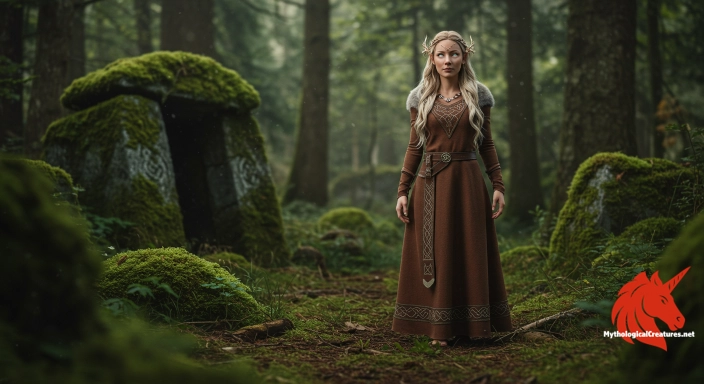
Landvættir: Landvættir are land spirits from Old Norse mythology, embodying the natural essence and fertility of the environment.

Landvættir
Landvættir - Landvættir embody the sacred connection between the land and its people, with their well-being linked to the prosperity of the local environment
Origins & First Encounters
Landvættir, known as 'land spirits' or 'land wights', emerge as some of the most evocative figures in ancient Nordic belief, blending the realms of nature and the divine into a single, powerful presence. Their origins are deeply embedded in the fabric of Old Norse religion, where people saw the land itself as animated by mysterious forces. These entities were believed to inhabit specific localities—from rugged mountains and dense forests to tranquil coastal stretches—imbuing each with a unique, sacred character. Early attestations appear in Norse literature and oral traditions, where the vitality and fertility of the land were closely tied to these guardian spirits. The duality of their nature is a recurring theme, as they are both benevolent custodians of the land and formidable forces that could bring misfortune to those who disrespected their domains. Rituals and practices evolved over time to foster a harmonious relationship between humans and these entities, with offerings and symbolic gestures forming an essential part of communal life. The belief in landvættir provided a natural explanation for environmental variability and seasonal change, reinforcing the intimate bond between people and their environment. As the tides of belief turned with the advent of Christianity, the reverence for these spirits was often suppressed, yet their legacy persevered within the cultural memory. In modern times, a revival under the banner of Heathenry has reawakened interest in these ancient spirits, reaffirming their role as symbols of nature’s enduring power and mystery.
The narrative of landvættir continues to serve as a testament to the ancient understanding of nature, reflecting a time when the environment was seen as a living, sentient force. Their mythic presence, linking the physical and the spiritual, underscores the timeless human quest to understand and respect the natural world.
Source Texts & Tale Variants
Ancient texts, ranging from poetic sagas to legal documents like the Norwegian Gulating law codes, serve as the primary sources for our understanding of the landvættir. Written accounts in Old Norse literature often encapsulate their role as both protectors of sacred places and enforcers of local customs. These sources hint at a complex cosmology, where the health of the land was directly influenced by the moods and favour of its resident spirits. In various narratives, landvættir are featured through symbolic descriptions that merge natural phenomena with anthropomorphic traits. Historical records reveal that rituals associated with these beings were once a vital part of daily life, even if they later fell out of favour under Christian influence.
Beyond the formal texts, a wealth of folklore and oral tradition has preserved variant stories of their nature and deeds. Multiple versions of these legends exist, each adapting the core beliefs of landvættir to the needs and experiences of local communities. Some tales depict them as kindly guardians who reward respect with abundance, while others warn of their wrath against transgressors. The diverse story variants demonstrate how deeply interwoven these spirits were with everyday life, serving as both moral guides and explanations for the unpredictable forces of nature. This rich tapestry of sources continues to inform modern interpretations and scholarly discussion of the landvættir.
Form & Powers
Although inherently spiritual and elusive, the landvættir have often been envisioned with a compelling array of physical attributes that symbolise their deep connection to nature. They are frequently portrayed as ethereal silhouettes that blend human-like forms with the textures of the natural world, such as the rugged bark of ancient trees, the shifting patterns of flowing water, or the weathered stones of the earth. Some depictions suggest that they wear cloaks of mist and foliage, with eyes that shine like the first light of dawn or the subtle glow of dusk, hinting at their timeless vigilance. The mutable quality of their appearance emphasises the idea that they are not bound by the constraints of a singular physical form but are as fluid as the landscapes they inhabit. In artistic portrayals and carved representations, subtle hints of human features—such as gentle, knowing expressions—blend seamlessly with accents drawn from local flora or geographical motifs.
Other narratives imbue them with a more animalistic quality, suggesting that they might share characteristics with native wildlife, such as the grace of a stag or the cunning of a fox. Their size and shape are often depicted as varying in accordance with the vitality of the land, growing more pronounced in times of abundance and fading to ghostly outlines during periods of drought or strife. This variability serves as a visual metaphor for the dynamic relationship between nature and the spiritual realm. In some depictions, the landvættir are represented in the form of intricate carvings or talismans, serving both as artistic renditions and spiritual symbols. The detailed physical descriptions, though diverse, consistently underscore the idea that these spirits are living manifestations of the landscape itself.
Regional Faces
The concept of landvættir is not monolithic, as regional variations have led to distinctive local interpretations and practices across the Nordic world. In Iceland, for example, these spirits enjoy a prominent status and have even found their way into national symbolism, reflecting the island’s deep respect for its rugged and mysterious terrain. Northern communities in Norway and parts of Sweden have also developed unique traditions and rituals, tailored to the specific geographical features and historical experiences of their surroundings. In rural settings, local landvættir may be intricately linked to landmark features such as ancient groves, sacred springs, or time-worn boulders, each believed to host a spirit with a unique character or gendered identity. Folkloric accounts in these regions often incorporate detailed descriptions of the spirits’ behaviours, outlining the specific offerings needed or the prohibitions against disturbing their resting places.
Some communities observe annual festivals that celebrate their local landvættir, integrating them into the fabric of cultural rites and seasonal changes. In urban environments, the legend of these spirits has adapted to modern concerns, sometimes embodying the struggle to maintain a connection with an increasingly industrialised landscape. There are areas where the landvættir are viewed as part of a broader pantheon of nature deities, merging seamlessly with other folkloric beings such as elves or dwarfs. Despite these variations, a central theme persists: the understanding that the land itself is a living, sentient entity deserving of respect. These local adaptations reflect the resilience of ancient beliefs and the enduring human need to anchor cultural identity in the natural world.
Cultural Parallels
Across cultures, the notion of local guardian spirits appears with striking parallels to the landvættir, underscoring a universal human impulse to sanctify the natural world. In ancient Roman tradition, the concept of the genii loci—spirits believed to inhabit every particular location—bears a resemblance to the Nordic landvættir, as both depict nature as a living presence demanding respect. Similar beliefs are found in Celtic lore, where the sidhe represent fae beings tied to specific sites, lending enchantment and sometimes mischief to the landscape. Indigenous traditions in various parts of the world also echo this theme, with local spirits or deities presiding over natural features and serving as custodians of ecological balance. In Japan, the kami of Shintoism share similarities with landvættir as they embody the spiritual essence of natural objects like trees, rivers, and mountains.
Moreover, these cultural parallels extend into contemporary environmental movements, where the idea of nature as a sentient, self-regulating entity resonates with modern ecological philosophies. Artistic and literary portrayals across cultures continue to intertwine myth with environmental stewardship, reinforcing the timeless value of these guardian figures. Whether in the form of ancestral spirits or nature deities, the underlying message remains consistent: every landscape possesses its own inherent power and mystery. Such comparative analysis highlights the shared human experience of awe and reverence for the land, bridging mythological traditions across geographical and temporal boundaries. The enduring appeal of these spirits speaks to a common cultural heritage that transcends individual mythologies, uniting diverse peoples in a celebration of the natural world.
Legacy & Modern Evolution
The historical evolution of the landvættir reveals a dynamic interplay between ancient belief systems and modern reinterpretations. Initially revered as indispensable protectors of the land, these spirits were subject to a marked transformation as Christianity spread through Nordic regions, often leading to their vilification or suppression under new religious doctrines. Despite this period of repression and the eventual labelling of older practices as heretical, the core belief in the power and presence of these spirits never fully disappeared from the communal psyche. In recent decades, modern Heathenry has experienced a resurgence of interest in these ancient guardians, with practitioners seeking to revive the authentic nuances of pre-Christian spirituality. Contemporary accounts celebrate the landvættir not only as mythological figures but also as potent symbols of environmental connectivity and cultural heritage. Modern artistic expressions—ranging from literature and visual art to community rituals—have reinvigorated their image as emblems of nature’s enduring strength and unpredictability.
This renewed interest is also reflected in academic and popular discourse which increasingly recognises the ecological wisdom inherent in these traditions. The evolution of their depiction—from feared, independent arbiters of natural fortune to revered icons of environmental stewardship—mirrors broader societal shifts towards sustainability and a more profound connection to the earth. In this modern context, the landvættir serve as a bridge between the past and the present, reminding us of the deep-rooted spiritual relationship our ancestors had with nature. Their legacy continues to inspire not only those engaged in contemporary Heathen practices but also anyone who seeks to understand the timeless bond between humanity and the natural world.
Interesting Fact
A unique aspect of Landvættir is their revived status in modern Heathen practices, highlighting a cultural continuity that bridges ancient myth with contemporary spirituality.
For publishers and studios
Your next readers are already here
Many of our visitors are looking for books, campaigns, and resources that deepen their journey into myth. Position your title or setting here.
Discuss a placementQuick Creature Info
Origin:
Features:
Associations:
Our Mythic Legendary Rating:

Also Sometimes Known As:
Habitat:
Supernatural Powers:
Physical Attributes:
Abilities:
Behavior:
Weaknesses:
Lore:
References
Discover Another Mythical Legend You May Not Have Heard Of?
Uncover the mysteries of ancient folklore and expand your knowledge of legendary beings from cultures around the world.
Dare to Meet the Eir....
Curated by the Mythological Creatures Team
Series editor: Mythological Creatures Directory
Primary desk: Northern & European Folklore Desk
(rev. November 2025)