
Bound monster: The Bound Monster is a recurring motif in Norse mythology, representing a fated, monstrous force restrained by divine means.

Bound monster
Bound monster - Symbolises the inevitable upheaval and cyclical destruction inherent in Norse cosmology
the legend in five swipes.
the legend in five swipes.
What are the origins of the Bound monster?
The motif of the bound monster occupies a central role in Norse mythology, symbolising the collision between divine order and the raw forces of chaos. Emerging from early Scandinavian storytelling, this theme is interwoven with narratives that depict gods suppressing destructive powers to maintain cosmic balance. Its origins can be traced to ancient texts where figures such as Loki and his offspring—Fenrir, Jörmungandr, and Hel—are depicted as both formidable and tragically restrained. Early attestations of such legends appear in compositions like the Prose Edda, where these beings are presented as inevitable harbingers of fate and doom. The act of binding, whether through magical chains or confinements of exile, underscores the gods’ desperate attempts to delay the onset of Ragnarök. These narratives reveal an intricate interplay between punishment and destiny, reflecting a worldview in which even the mightiest forces can be temporarily subdued. The idea of celestial order being maintained at the cost of temporary restraint permeates the myth, highlighting a persistent tension between control and chaos. Such stories resonated deeply with ancient audiences, embodying existential dilemmas and the cycle of retribution that governs cosmic existence. Ultimately, the myth of the bound monster continues to evoke a sense of awe and inevitability, underlining its enduring significance in mythological traditions.
What are the earliest texts about the Bound monster?
Ancient literary sources form the backbone of the bound monster narrative, with texts such as the Prose Edda offering detailed depictions of these enigmatic figures. Multiple story variants exist that recount the binding of Loki and his fearsome progeny, each contributing unique nuances to the overarching theme of divine retribution. Narratives including the dramatic account of Loki’s punishment capture the complexity of binding a figure whose misdeeds extend far beyond mortal transgression. The tale of Fenrir, in particular, is enriched by vivid episodes where the courageous god Tyr sacrifices his hand in a gesture that epitomises both bravery and betrayal. Variations of these myths have been preserved in separate oral traditions and medieval manuscripts, each emphasising different facets of the conflict between gods and chaos. Some sources highlight the enchanting craftsmanship of dwarven-made fetters, while others focus on the symbolic roles these bonds play in delaying the cataclysm of Ragnarök. These divergent accounts have collectively shaped a multifaceted narrative, rich in allegorical meaning and dramatic intensity. Whilst the core myth remains consistent, these variant stories underscore the dynamic nature of myth-making in Norse culture. The diverse tellings ensure that the motif retains a multifarious legacy, inviting continuous reinterpretation and debate among its audience.
How did the old accounts describe the Bound monster?
The visual portrayal of the bound monster is replete with striking contrasts that articulate both ferocity and an otherworldly restraint. Fenrir is invariably depicted as an immense wolf, his muscular frame and piercing eyes evoking an aura of untamed savagery that warns of impending doom. The magical fetters that bind him are described as luminous chains, inscribed with ancient runes that seem to shimmer with ethereal light. Jörmungandr, the colossal Midgard Serpent, is rendered as a sinuous beast whose mighty body encircles the earth, its scales glistening like fragments of the primordial sea. In many artistic depictions, the serpent’s immense form is complemented by eyes that burn with an ancient malice, suggesting the inevitable return to chaos. Hel, though less frequently detailed in physical descriptions, is often visualised as possessing a dual aspect that marries a cold, regal beauty with an unsettling decay. Her appearance, both elegant and grim, serves as a visual metaphor for her dominion over the realm of the dead. The imagery of crippling bindings, combined with the monstrous forms of these entities, encapsulates the clash between cosmic power and the frailty of containment. Together, these physical characteristics vividly embody the mythic struggle between divine restraint and the forces of destruction.
Bound monster: The Same Figure in Different Places
The bound monster motif has been adapted in various forms across different regions within the Norse cultural sphere, reflecting local interpretations and environmental influences. In Scandinavian areas such as Iceland, Sweden, and Denmark, the narrative of a terror restrained by divine will has been interwoven with local folklore and oral traditions. These regional adaptations often emphasise the tragic dimensions of the bound figures, portraying them as embodiments of both doom and an inevitable transformation. The stark landscapes of the Nordic lands, with their icy expanses and rugged terrains, mirror the severe conditions under which these cosmic dramas unfold. In some local renditions, the inevitability of the monster’s eventual release is presented as part of a cyclical pattern that encapsulates seasonal changes and the harsh realities of nature. Artistic representations in these areas have imbued the imagery of chains, fetters, and vast, coiling forms with culturally specific symbolism that speaks to regional experiences of confinement and liberation. Variants of the myth occasionally incorporate elements of local belief systems, thereby enriching the narrative with additional layers of meaning and emotional depth. This blend of pan-Norse and regional storytelling underscores the versatility of the motif, enabling it to resonate with diverse communities. The regional variations not only highlight the adaptability of the myth but also serve as a testament to its profound impact on Nordic cultural identity.
Legends Comparable to That of the Bound monster
The motif of the bound monster in Norse mythology finds intriguing parallels in the mythologies of many other cultures, as diverse traditions contend with the themes of confinement and inevitable revolt. Comparable myths appear in Greek lore, where rebellious titanic forces such as Typhon are similarly restrained by divine intervention, thereby establishing a narrative tension between order and chaos. Across ancient Near Eastern traditions, symbolic imagery of fetters and chains is employed to denote the subjugation of primordial entities that threaten cosmic balance. These cross-cultural narratives share a common thread—a portrayal of cosmic beings whose tremendous power necessitates both admiration and fear. In many traditions, the act of binding such forces serves as an allegory for the limits of human and divine power, echoing the themes found in the Norse accounts. The utilisation of similar symbols, such as the ouroboros or chained serpents, further accentuates the universal nature of this mythic motif. Moreover, the interplay between restraint and the promise of eventual release speaks to a shared human fascination with the cyclical nature of power and entropy. As these myths are compared, it becomes evident that the bound monster serves as a metaphor for the fragile equilibrium that governs existence, traversing cultural boundaries with remarkable consistency. The comparative analysis thus reinforces the idea that myth, in its various forms, reflects a fundamental human preoccupation with the dynamics of control and inevitable transformation.
Where does the Bound monster appear in films and games?
The historical evolution of the bound monster motif demonstrates its resilience and adaptability from the ancient mythic past to modern cultural expressions. Over the centuries, this theme has transitioned from its strictly mythological origins to a broader symbol of existential conflict and cosmic destiny. Contemporary literature, film, and art have all embraced these monstrous figures, reinterpreting them as emblematic of internal and societal struggles against overwhelming forces. Modern portrayals frequently explore the dual nature of these characters, imbuing them with psychological depth and a sense of tragic inevitability. As artists and writers adapt these ancient stories to address current concerns about power, constraint, and liberation, the bound monster remains a potent metaphor for the tensions inherent in all struggles for control. Digital media and graphic novels, in particular, have revitalised the imagery of these mythic beings, presenting them in contexts that resonate with contemporary audiences. The evolution of the motif from a mythic narrative to a versatile symbol highlights its enduring ability to reflect changing cultural anxieties. Each reinterpretation, while rooted in the original lore, brings fresh insight into issues of injustice, rebellion, and the cyclical nature of power. The bound monster continues to captivate imaginations, serving as a timeless reminder that the forces of chaos, though restrained, always harbour the potential for resurgence.
Interesting Fact
The bound monster motif in Norse mythology has notable parallels in other cultural myths, such as the Greek monster Typhon and the Mesopotamian chaos goddess Tiamat, emphasizing a universal theme of cosmic restraint and eventual rebellion against divine order.
Mythological Treasures
Norse Sagas: A field guide to the beasts of the Viking world
Drawn from the saga accounts themselves, with the powers, weaknesses and doom of each being set out.
Japanese Yokai: A field guide to the spirits and demons of Japanese folklore
Fifteen spirits, with the signs to watch for and what the old tales say to do if you meet one.
Greek Myths: A field guide to the monsters of ancient Greece
Every monster here earned its place in legend, and each gets a full page of artwork and the story behind it.
the legend in five swipes.
For myth educators and toolmakers
Built a resource for mythology learners?
If you offer courses, teaching tools, or research platforms focused on myth and folklore, consider a discrete placement on our reference pages.
Introduce your resourceQuick Creature Info
Origin:
Features:
Associations:
Our Mythic Legendary Rating:

Also Sometimes Known As:
Habitat:
Supernatural Powers:
Physical Attributes:
Abilities:
Behavior:
Weaknesses:
Lore:
Related Creatures, Tales or Lore
References
Discover Another Mythical Legend You May Not Have Heard Of?
Uncover the mysteries of ancient folklore and expand your knowledge of legendary beings from cultures around the world.
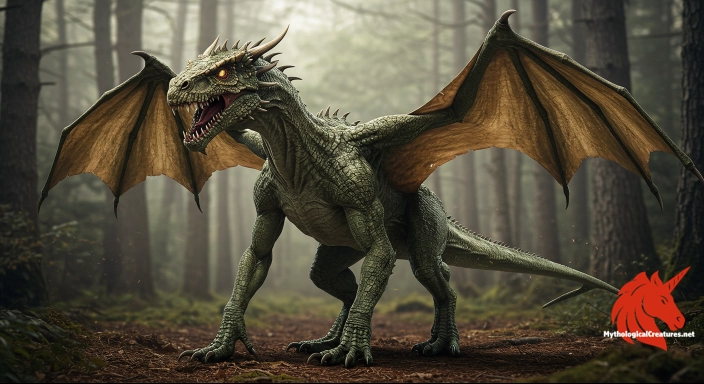
Dare to Meet the Wyvern....
The Mythological Creatures Book Series
Yokai, Greek, Norse, Egyptian & Chinese. Five illustrated field guides to the creatures the old stories either warned or told you about.
Curated by the Mythological Creatures Team
Series editor: Mythological Creatures Directory
Primary desk: Northern & European Folklore Desk
(rev. November 2025)