
Brettia: Brettia is a nymph from Greek mythology, recognized as the eponymous spirit of Abrettene in Mysia.
Brettia
Brettia - Represents the divine personification of Abrettene, reflecting the ancient Greek tradition of linking local geography with divine entities.
the legend in five swipes.
the legend in five swipes.
Where does the story of Brettia begin?
Brettia emerges in the mythic landscape of ancient Greece as a figure whose very name echoes the fertile soil of Abrettene in Mysia. Her identity as the eponymous nymph of the region underscores her integral role in local spiritual life and the natural environment. She is often seen as a guardian spirit whose presence is intertwined with the land’s lush beauty and hidden springs. In the earliest layers of myth, Brettia is depicted as one with the essence of nature, bridging the human and divine realms. The origins of her myth are shrouded in mystery, inviting both awe and scholarly debate over her place within the larger Greek pantheon. Local traditions hint that her cult was initially centred in small rural communities before being absorbed into broader Hellenic myth. The reverence for Brettia reflects an ancient cultural context where nature and the divine were seen as inseparable. Her tale, though only sparingly attested in surviving texts, offers a glimpse into the spiritual life of early Mysia where each natural feature had its own guardian deity.
Her story, passed down through oral tradition and intermittent literary allusions, continues to intrigue enthusiasts of ancient mythology. The delicate balance between her mythic role and literal representation speaks to the Greek penchant for imbuing the natural world with divine presence.
Brettia: Manuscripts, Texts and Variants
Ancient literary fragments and local inscriptions provide the scant earliest references to Brettia, making her a somewhat enigmatic figure in classical mythology. Despite the limited textual evidence, Brettia is believed to have been mentioned in regional hymnals and local cult practices that celebrated nature’s bounty. There are whispers in surviving epic fragments and poetic verses that hint at her role within the local deity pantheon of Mysia. Several lesser-known texts from the Hellenistic period make subtle allusions to Brettia as an embodiment of natural beauty and protection. Alternate story variants suggest that her character may have intertwined with other local water and fertility deities, reflecting the fluid nature of myth in antiquity. In some narratives, she is portrayed not only as a nymph but also as an ancestral spirit whose presence legitimised the name of Abrettene. Over time, local folklore expanded her role, integrating her into various ritual ceremonies and seasonal celebrations. Although her story lacks the elaborate detail found in other mythic tales, the various sources collectively attest to her enduring presence in regional myth.
Later Byzantine texts and archaeological discoveries in Mysia have further contributed nuanced details about her myth, even as her appearances remain rare in the classical canon.
Brettia: Size, Shape and Strange Features
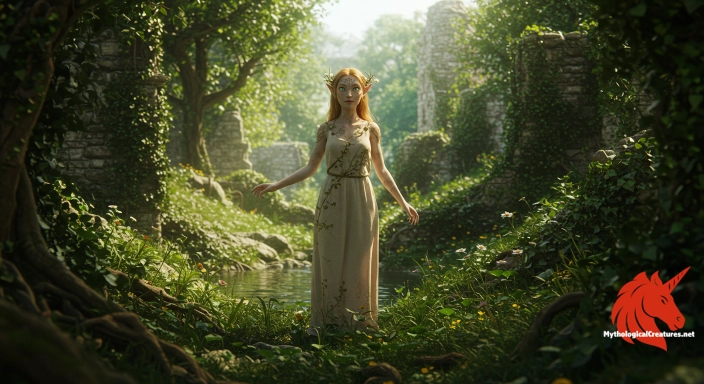
Artistic depictions of Brettia typically evoke an image of ethereal beauty and supernatural grace, sophisticated in both form and expression. She is envisioned as a lithe figure draped in flowing garments that mirror the gentle currents of local streams. The radiant quality of her appearance is often likened to the soft glow of dawn, with skin that hints at the subtle blush of early morning light. In many portrayals, her cascading hair is interwoven with leaves and blossoms, suggesting an intimate bond with the luxuriant flora of Abrettene. Brettia’s eyes, as imagined by ancient artists, are said to reflect the clear, shimmering waters of the region’s natural springs. Variations in her depiction show her with a slender, graceful physique and a posture that conveys both vulnerability and underlying strength. The artistic tradition may also present subtle symbols of water and earth, such as floral motifs or delicate water droplets, which further define her character. Even in sculpture and vase-painting, her appearance is carefully balanced to evoke both human beauty and the enchanting qualities of nature.
These visual elements served not only to highlight her divine origins but also to connect her aesthetically to the natural elements under her guardianship.
What do different regions call Brettia?
Across different local cultures within Mysia and the broader Anatolian region, Brettia’s myth has undergone fascinating regional adaptations. In some local traditions, she is portrayed as a more robust spirit of the land, embodying the raw and untamed elements of the local wilderness. Here, Brettia is sometimes seen as a protective force whose blessings ensured prosperous harvests and the health of the local populace. In contrast, other regional accounts accentuate her ethereal qualities, depicting her as a delicate stream of celestial beauty whose presence nurtures the environment. Some local variants fuse elements of her character with those of minor fertility deities, reflecting an array of cultural influences that mingled over time. Ritual practices across these regions often adapted her myth to reflect local seasonal cycles, integrating her venerable figure into celebrations of nature’s bounty. Artistic renditions in regional frescoes and temple reliefs further illustrate how her image blended with native iconography. The regional variations underscore her adaptability, as Brettia’s myth was moulded by both indigenous beliefs and the broader narratives of Greek mythology.
This diversity in portrayal speaks to the dynamic interplay between local tradition and the pan-Hellenic mythic corpus, reaffirming her role as a living symbol of the land.
What parallels exist to Brettia in other traditions?
When considering Brettia alongside other mythological entities, she finds herself in the company of nymphs renowned for their connection to the natural world. Her character draws clear parallels with the naiads and other water spirits celebrated throughout Greek mythology who symbolise the fertile aspects of nature. Much like Daphne or Arethusa, Brettia occupies the delicate intersection between divinity and the mortal domain through her close association with the landscape. Comparatively, cultures beyond Greece have also embraced similar spirits; for instance, Celtic lore reveres local water goddesses and nature spirits in ways that mirror Brettia’s environmental guardianship. In certain Roman traditions, tiny local divinities reminiscent of her character provided a spiritual identity to specific regions, thereby linking Brettia to a broader phenomenon of genius loci. Her myth also shares thematic elements with later folkloric figures, representing the enduring appeal of a divine presence woven into the fabric of nature. The cross-cultural echoes of her narrative attest to a universal human impulse to personify natural phenomena in mythic form. This comparative analysis highlights the intertextual dialogue among diverse mythic traditions, situating Brettia as both a distinctive and a relatable figure within the larger tapestry of ancient spirituality.
The similarities and contrasts with her counterparts enrich our understanding of how natural landscapes were revered and embodied by divine figures across various civilizations.
Brettia: Then and Now
Although not as widely known as some of her mythological counterparts, Brettia’s legacy has experienced a quiet renaissance among scholars and local cultural enthusiasts. Over the centuries, her myth has transformed from a shadowy local reference into a subject of renewed academic inquiry and artistic inspiration. Modern historians and archaeologists have begun to piece together her story through careful analysis of regional artefacts and renewed interest in Mysian local traditions. Contemporary artistic interpretations, including poetry, paintings, and digital media, often celebrate Brettia as a symbol of nature’s ethereal beauty and timeless strength. In local festivals and cultural revival events in parts of Turkey, she is sometimes honoured as a guardian of the land, linking modern ecological concerns to ancient spiritual traditions. Her myth has also been reimagined in modern literature, where she frequently appears as an embodiment of regional pride and the enigmatic allure of the natural world. While the original details of her myth may be sparse, the evolving narrative of Brettia reflects the broader human quest to find continuity between ancient heritage and present-day identity. The preservation of her myth serves as a reminder of the intricate relationship between the people and the landscapes they inhabit.
This enduring legacy invites us to consider how forgotten deities can be revitalised to address the contemporary themes of environmental conservation and cultural heritage, ensuring that the spirit of Brettia continues to inspire and inform future generations.
Interesting Fact
Brettia’s very name is intrinsically linked to the region of Abrettene, demonstrating how the ancient Greeks often personified geographical locations through divine figures.
Mythological Treasures
Greek Myths: A field guide to the monsters of ancient Greece
Every monster here earned its place in legend, and each gets a full page of artwork and the story behind it.
Egyptian Legends: A field guide to the gods and monsters of ancient Egypt
Guardians of the living and devourers of the dead, with the role each played in judgement.
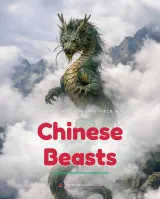
Chinese Beasts: A field guide to the dragons and demon kings of Chinese myth
From river dragons to demon kings, with the legends that shaped five thousand years of storytelling.
the legend in five swipes.
Mythology commerce, done carefully
Align your store with our global myth audience
If you sell myth-inspired jewellery, prints, decks, or collectibles, we can feature your brand without overwhelming the reading experience.
Partner with usQuick Creature Info
Origin:
Features:
Our Mythic Legendary Rating:

Also Sometimes Known As:
Habitat:
Supernatural Powers:
Physical Attributes:
Abilities:
Behavior:
Lore:
Related Creatures, Tales or Lore
- NNereids
- DDryads
- OOreads
References
Discover Another Mythical Legend You May Not Have Heard Of?
Uncover the mysteries of ancient folklore and expand your knowledge of legendary beings from cultures around the world.
Dare to Meet the Haoreima....

The Mythological Creatures Book Series
Yokai, Greek, Norse, Egyptian & Chinese. Five illustrated field guides to the creatures the old stories either warned or told you about.

Curated by the Mythological Creatures Team
Series editor: Mythological Creatures Directory
Primary desk: Hellenic & Ancient Mediterranean Desk
(rev. November 2025)