
Haoreima: Haoreima, also known as Haoleima or Ireima, is a revered Meitei goddess embodying tragic love, separation, and the burden of disease, whose mortal origins add depth to her divine persona.
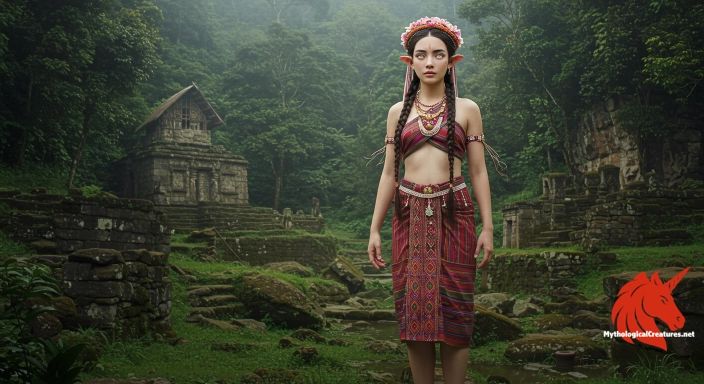
Haoreima
Haoreima - Haoreima embodies the themes of love, loss, and transformation, symbolising the journey from mortal pain to divine grace.
the legend in five swipes.
the legend in five swipes.
Haoreima Origins: The Earliest Accounts
Haoreima stands as a compelling emblem of tragic love and separation woven deeply into the fabric of Meitei mythology. Born from the myriad threads of indigenous belief in Manipur, her story reflects both the beauty and the sorrow inherent in mortal passion and divine transformation. Emerging originally as a human heroine, her journey from an ordinary tribal lady to a revered goddess resonates with the enduring power of personal loss. Her identity, interlinked with divine figures like Panthoibi and Nongthang Leima, highlights the complex interplay between human frailty and celestial grace. The narrative of her life, marked by forbidden romance and profound grief, not only underscores the intensity of emotional experience but also celebrates resilience. Over the centuries, her tale has been maintained in rich oral traditions and ritual practices, ensuring that her legacy persists in the hearts of the people. Whispers of her past are found in both sacred texts and communal lore, where her transformation symbolizes broader themes of sacrifice and rebirth. The enduring cultural imprint of Haoreima continues to inspire art, literature, and spiritual practice throughout the region.
Haoreima: From Oral Tale to Written Record
Ancient manuscripts and oral recitations form the cornerstone of Haoreima’s multifaceted narrative. Traditional storytellers have long spun her tale during communal gatherings, infusing the legend with layered interpretations and emotional depth. Diverse accounts of her life are preserved in the ritual songs and folklore of Manipur, where her identity as both a goddess and a mortal figure is explored. In various sacred texts of Sanamahism, her account is carefully interwoven with that of King Meidingu Tabungba, adding dimension to the themes of tragic love and retribution. Multiple versions of her legend circulate among different communities, each highlighting specific aspects such as her divine attributes or her historical roots within tribal society. The Tangkhul tradition, for instance, treats her as a historical figure rather than a deity, underscoring the localized nature of mythmaking. Periodic retellings in folk theatre and ritual celebration further enrich her story, blending established lore with contemporary sentiments. Through these primary sources, Haoreima’s tale is continuously reimagined, ensuring that her story remains both relevant and resonant across generations.
Haoreima: Physical Form and Supernatural Powers
The depictions of Haoreima often present her as an ethereal figure whose physical presence seamlessly bridges the gap between human vulnerability and divine splendour. Artists traditionally render her with soft, luminous features that evoke both beauty and an undercurrent of sorrow. Her eyes are frequently described as deep and expressive, mirroring the emotional turbulence that defines her myth. Flowing hair, rendered in hues that echo the natural landscapes of Manipur, frames her compassionate yet wistful visage. She is typically adorned in authentic Manipuri attire, complete with intricate embroidery and symbolic jewellery that reflect regional artisanal traditions. Variations in her portrayal suggest a delicate balance between a mortal woman and a celestial being, with some images emphasising a slender form while others bestow upon her a more imposing, dignified stature. The use of gentle colours and soft lines in artistic renditions further imbues her with an aura of mystery and quiet resilience. Her physical appearance, as captured in both ancient art and modern reinterpretations, serves as a visual metaphor for the interplay of fragility and divine strength.
Haoreima: Local Variations in the Story
The narrative of Haoreima is not uniformly expressed across the regions of Manipur, and regional interpretations lend a unique texture to her legend. In the heartland of Meitei culture, she is revered as a goddess whose story is interlaced with themes of doomed romance and spiritual transformation. Meanwhile, within the Tangkhul community, her identity is more closely associated with historical authenticity, where she is remembered as the daughter of a tribal chief with a poignant personal history. This regional diversity not only enriches the myth but also highlights the adaptive nature of folklore as it responds to local customs and experiences. In some areas, the focus is placed on her human qualities and tragic fate, while in others, her elevated status as a divine figure is emphasised. Such variations serve to illustrate the dynamic relationship between cultural memory and myth, allowing Haoreima’s story to reflect the values and experiences of different communities. The diverse portrayals reaffirm that folklore is a living tradition, continuously reshaped by the voices of those who pass it on. Through these regional lenses, her legend emerges as a multifaceted symbol capable of resonating with a wide audience.
Haoreima: Echoes in Other Mythologies
When juxtaposed with similar figures from other mythological traditions, Haoreima’s narrative reveals universal themes that transcend cultural boundaries. Her poignant tale of forbidden love and subsequent deification finds echoes in diverse global myths where human suffering begets divine transformation. The motif of a mortal enduring great loss and being elevated to a higher spiritual status is a recurrent element in many cultural legends. Like those mythic figures whose tragic romance forms the basis of enduring lore, Haoreima embodies the eternal conflict between social duty and the impulse of the heart. Her story is reminiscent of narratives where intense passion and grief lead to a metamorphosis that honours both human experience and the divine. Cross-cultural comparisons underscore how themes of love, sacrifice, and rebirth are central to myth-making worldwide, linking Haoreima to a broader tapestry of legendary figures. The intricate interplay of emotion and transformation in her story invites rich comparative analysis with deities who encapsulate both vulnerability and strength. Such parallels affirm that while the specifics of her legend are rooted in the cultural milieu of Manipur, the underlying narrative resonates with a timeless, universal quality.
Haoreima in Books, Film and Games
Throughout the ages, Haoreima’s legacy has evolved in step with changing social values and the dynamic nature of cultural storytelling. Her tragic tale, rooted in the struggles of forbidden love, has been reinterpreted to symbolise both personal resilience and the transformative power of grief. Modern portrayals have embraced her dual identity as a mortal and a divine figure, often using her story as a metaphor for overcoming hardship and reclaiming lost honour. Contemporary artistic expressions, including dance, theatre, and visual arts, frequently evoke her image to explore themes of emotional depth and spiritual rebirth. Festivals and ceremonial rituals continue to celebrate her legacy, ensuring that her narrative remains an integral part of regional cultural identity. In present-day cultural discourse, she is sometimes invoked as a guardian of both love and ill fate, bridging the realms of emotional experience and spiritual healing. Literary reinterpretations further enrich her story, casting her as a symbol of resistance against the strictures of societal norms. The enduring appeal of Haoreima’s myth is a testament to the enduring human fascination with love, loss, and transformation, making her one of the most resonant figures in the pantheon of Meitei tradition.
Interesting Fact
An intriguing aspect of Haoreima's myth is the blending of historical and divine elements, as she is seen by some as both a mortal figure from the Tangkhul community and a revered goddess in Sanamahism.
Mythological Treasures
Greek Myths: A field guide to the monsters of ancient Greece
Every monster here earned its place in legend, and each gets a full page of artwork and the story behind it.
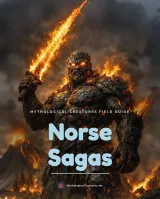
Norse Sagas: A field guide to the beasts of the Viking world
Drawn from the saga accounts themselves, with the powers, weaknesses and doom of each being set out.
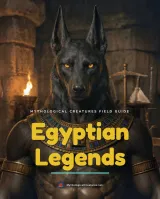
Egyptian Legends: A field guide to the gods and monsters of ancient Egypt
Guardians of the living and devourers of the dead, with the role each played in judgement.
the legend in five swipes.
Curated sponsor space
One subtle banner. Thousands of myth lovers.
We offer a small number of curated sponsor spots for relevant books, courses, games, and art. No clutter, just well-matched partners.
Partner with usQuick Creature Info
Our Mythic Legendary Rating:

Also Sometimes Known As:
Habitat:
Supernatural Powers:
Physical Attributes:
Behavior:
Lore:
Related Creatures, Tales or Lore
References
Discover Another Mythical Legend You May Not Have Heard Of?
Uncover the mysteries of ancient folklore and expand your knowledge of legendary beings from cultures around the world.
Dare to Meet the Kebechet....
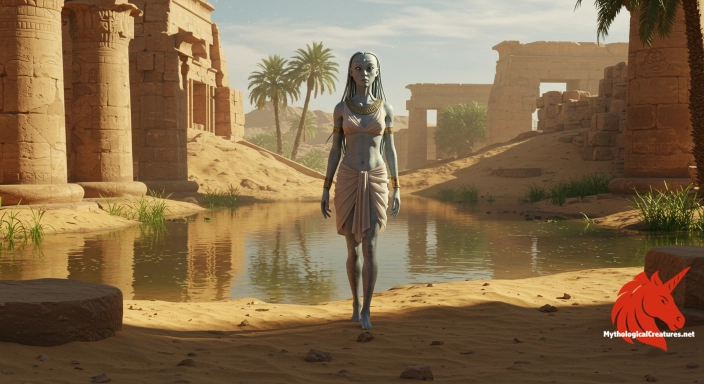
The Mythological Creatures Book Series
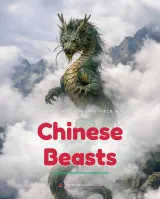
Yokai, Greek, Norse, Egyptian & Chinese. Five illustrated field guides to the creatures the old stories either warned or told you about.
Curated by the Mythological Creatures Team
Series editor: Mythological Creatures Directory
Primary desk: Asian & Pacific Myth Cycles Desk
(rev. November 2025)