
Brunnmigi: Brunnmigi is a large beast from Norse mythology known for defiling wells.

Brunnmigi
Brunnmigi - Represents the corruption of pure water and serves as a cautionary symbol in Norse mythology.
Origins & First Encounters
Brunnmigi is an enigmatic creature rooted in the rich depths of Norse mythology, a being whose name translates in Old Norse as “pees in a well”, invoking a stark image of defilement and mystery. Its mention in ancient sagas, particularly within Hálfs saga ok Hálfsrekka, situates it in a context where the purity of water was held sacred and its corruption portended dire omens. Appearing in the ancient narrative as a large and formidable beast, it underscores the significance of maintaining the sanctity of natural resources. Early mythic accounts depict the creature not merely as a monstrous presence, but as a symbolic embodiment of nature's unpredictable and sometimes disruptive power. The association with the act of defiling wells hints at a deeper commentary on the dangers of upsetting the natural order during a time when water sources were revered. Its portrayal serves to illustrate the ever-present tension between the benefits of nature and the perils of its desecration. Moreover, the narrative surrounding Brunnmigi invites reflection on the interplay between purity and corruption, a recurring motif within Norse lore. As a cultural artefact, the creature’s myth offers insight into the world-view of ancient societies, where the natural and the supernatural were inextricably linked. The enduring tale of Brunnmigi remains a vivid illustration of the consequences that follow the disruption of the natural world.
Source Texts & Tale Variants
Ancient literary texts form the backbone of Brunnmigi’s myth, with its primary appearances recorded in well-known saga literature. The narrative of Hálfs saga ok Hálfsrekka recounts an encounter with the creature that defiles sacred wells, imbuing the tale with both literal and symbolic significance. Equally intriguing is its mention in the Prose Edda þulur, where its name is cleverly repurposed as a kenning for foxes, demonstrating the richness of poetic language in Norse tradition. This dual presence in both saga-prose and poetic compilations highlights the fluidity with which ancient storytellers approached myth. Variants of the story hint at additional oral traditions that may have embellished its character, suggesting that Brunnmigi was a subject of wide-ranging interpretation. Different manuscript traditions have allowed room for creative elaboration, where details of its behaviour and symbolism may vary subtly. Each account, whether grounded in narrative epic or lyrical expression, contributes to a multifaceted picture of the creature. The intermingling of genres in its portrayal underscores the dynamic nature of Norse myth-making. These textual fragments continue to intrigue modern audiences, offering a layered understanding of how the ancients perceived the boundaries between the natural and the supernatural.
Form & Powers
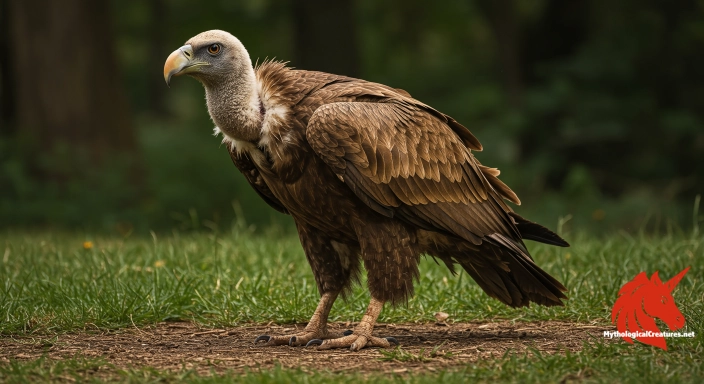
This colossal creature is depicted as possessing an imposing physical presence, its very form evoking the raw power of nature intertwined with the essence of decay. Legends describe Brunnmigi as having a broad, muscular build that serves as a testament to its formidable strength and resilience. Its coat is often portrayed as thick and rugged, appearing perpetually damp with the cursed moisture of the wells it defiles. Striking eyes, set deep within a fearsome visage, are said to glow with a cold light that hints at its otherworldly origin. The beast’s robust limbs suggest both agility and brute force, enabling it to traverse the bleak, untamed landscapes of ancient Scandinavia. Artistic depictions sometimes accentuate its size, rendering its silhouette larger than life and deeply menacing. Details such as a prominent snout, jagged fangs, and clawed extremities further accentuate its role as both a defiler and a symbol of corrupted nature. The overall appearance is a complex tapestry of natural decay and ferocious vitality, deliberately designed to inspire both dread and awe. Every aspect of its physical form is intricately linked with its mythological significance, reinforcing the profound impact of its actions on sacred spaces.
Regional Faces
Brunnmigi’s myth resonates differently across the varied landscapes of Norse and Scandinavian tradition, with each region imbuing the creature with distinct nuances. In Icelandic and Norwegian traditions, the defilement of wells is a potent symbol, and Brunnmigi is often portrayed as a dire omen of imbalance in the natural order. Local folklore sometimes emphasises its spectral attributes, casting the beast as a harbinger of forthcoming misfortune. In contrast, other Scandinavian accounts balance its malevolence with an element of transformative power, suggesting that even defilement may lead to renewal in the cycle of nature. Regional narratives often intertwine the legend with local tales of water spirits and land guardians, reflecting unique environmental sensibilities. Variations in its descriptive features, such as subtle differences in size or ferocity, point to the adaptive nature of oral tradition. Communities facing harsh natural environments may have used its story as both a cautionary tale and a mythic explanation for unexpected calamities. The diversity in regional portrayals highlights how Brunnmigi was a flexible symbol, adapted to convey specific cultural values and warnings. This multiplicity of interpretations enriches the overall tapestry of Norse mythology, underscoring the importance of local context in myth-making.
Cultural Parallels
The legend of Brunnmigi opens a window into comparative mythology, aligning it with similar beings across global traditions that explore the interplay of nature’s sanctity and corruption. Its association with the defilement of wells finds echoes in diverse cultures where water, as a source of life, is both venerated and feared when profaned. Much like the mischievous kappa of Japanese folklore, which inhabits watery domains and exhibits unpredictable behaviour, Brunnmigi embodies the delicate balance between beneficial natural forces and their dangerous, uncontrollable counterparts. Comparable figures, such as the Slavic Vodnik, similarly dwell in liminal spaces between reverence and revulsion, reinforcing the motif of water deities who can both nurture and devastate. The creature’s transformation into a kenning for foxes further connects it to a broader array of mythic symbols that celebrate cunning and transformation. Themes of moral decay, physical defacement of nature, and the subversion of purity are woven through its narrative, echoing similar legends in Celtic and other European mythologies. This cross-cultural dialogue highlights how ancient societies employed animal symbolism and natural phenomena to articulate complex ideas about environmental and spiritual health. As such, Brunnmigi stands as a nexus between literal monstrousity and metaphorical insight, bridging diverse mythic traditions with its multifaceted presence. Its comparative analysis underscores the universal human endeavour to understand and symbolise the forces that disrupt the harmony of the natural world.
Legacy & Modern Evolution
Over time, the perception of Brunnmigi has evolved from a stark emblem of environmental desecration into a subject of modern reinterpretation and cultural commentary. In early Norse narratives, the creature was a dire warning against the violation of nature’s sanctity, its actions serving as a metaphor for the disruption of a vital, life-sustaining resource. As centuries passed, its myth was gradually absorbed into a broader cultural narrative, where the line between literal monster and symbolic archetype became increasingly blurred. Contemporary artists and storytellers have embraced Brunnmigi as a potent symbol for the modern challenges of environmental degradation and water pollution. Modern reinterpretations often emphasise its dual nature, portraying the creature as both a relic of a long-forgotten, superstitious past and a mirror for contemporary ecological anxieties. The evolution of its symbolism reflects a broader shift in myth-making, where ancient figures are revitalised to engage with current societal issues. Its sporadic appearances in literature, visual arts, and popular media attest to the flexibility and enduring impact of its myth. This transformation—from a simple narrative warning to a complex metaphorical device—illustrates the dynamism inherent in mythological storytelling. Ultimately, Brunnmigi’s legacy endures as a poignant reminder of the timeless tension between the purity of nature and the forces that seek to contaminate it.
Interesting Fact
The name Brunnmigi is a witty wordplay that not only describes its vile act of defiling wells but also doubles as a poetic kenning for foxes, linking it to themes of cunning and mischief.
Mythology commerce, done carefully
Align your store with our global myth audience
If you sell myth-inspired jewellery, prints, decks, or collectibles, we can feature your brand without overwhelming the reading experience.
Partner with usQuick Creature Info
Origin:
Features:
Associations:
Our Mythic Legendary Rating:

Habitat:
Supernatural Powers:
Physical Attributes:
Abilities:
Behavior:
Lore:
Related Creatures, Tales or Lore
- FFenrir
- GGarm
- FFafnir
References
Discover Another Mythical Legend You May Not Have Heard Of?
Uncover the mysteries of ancient folklore and expand your knowledge of legendary beings from cultures around the world.
Dare to Meet the Sampati....
Curated by the Mythological Creatures Team
Series editor: Mythological Creatures Directory
Primary desk: Northern & European Folklore Desk
(rev. November 2025)