
Býleistr: Býleistr is a relatively obscure figure in Norse mythology, known primarily as the brother of Loki.
Býleistr
Býleistr - Býleistr is an obscure figure whose importance is largely derived from being Loki's brother, reflecting the complex familial ties in Norse myths.
Origins & First Encounters
Býleistr emerges from the misty realms of Norse mythology as a shadowy figure whose mentions are few yet tantalising. Born into a family marked by complexity, he is traditionally regarded as the lesser-known brother of the infamous trickster, Loki. His name, preserved in Old Norse texts, hints at an origin steeped in the volatile interplay of divine mischief and elemental power. Although ancient sources provide only a brief reference to him, scholars have long speculated that his role might have been more significant in earlier, now-lost traditions. His genealogical ties—often associated with the formidable figures Fárbauti and Laufey—place him squarely within a family emblematic of both chaos and creativity. The cultural context of early Scandinavian belief saw the boundaries between gods, giants, and other supernatural entities blur, and Býleistr is a subtle yet intriguing reflection of that blurred line. Through his minimal appearances, he embodies the enigmatic quality that invited early Nordic storytellers to explore the murky intersections of fate and free will. The scarcity of narrative detail leaves ample room for interpretation, inspiring modern enthusiasts to reimagine his character as a potent symbol of the unknown in a world of myth.
Source Texts & Tale Variants
The textual references to Býleistr are decidedly sparse, with much of what is known about him gleaned from incidental mentions in medieval compilations of Norse lore. Ancient texts, such as certain passages in the Prose Edda, offer little beyond his familial connection to Loki, leaving his own exploits largely to the realm of conjecture. Some fragments in skaldic poetry suggest that his name was once invoked in a context charged with ambiguity and potent symbolism, though these allusions do not translate into a coherent mythic narrative. The transmission of these accounts through oral tradition may have obscured or even diluted details about his character over time. A few variant readings in different manuscripts imply that he might have been associated with themes of transformation and the boundary between the natural and the supernatural. Medieval scribes tended to focus more on genealogies than on elaborate mythological anecdotes, which has contributed to the elusive profile of Býleistr in the surviving literature. Later folklore occasionally hints at his presence as a counterweight to more dominant deities, further muddying the waters of his historical characterisation. These patchy and sometimes contradictory references invite modern scholars to piece together the vestiges of his identity, even as they acknowledge the inevitable gaps in the record.
Form & Powers
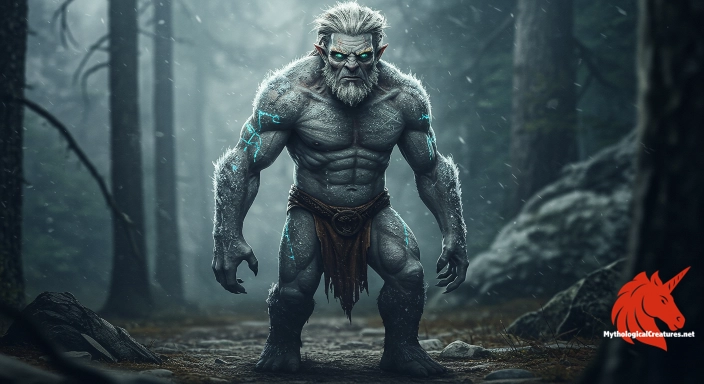
Although no detailed description of Býleistr survives in the canonical texts, imaginative reconstructions have often paired his visage with that of his well-known brother, Loki. It is speculated that he might possess a lithe and agile form, reflecting the nimble and furtive qualities often ascribed to the trickster archetype. Some interpretations visualise him with an enigmatic look—a combination of captivating charm and an unsettling spark that hints at hidden depths. His eyes, perhaps keen and reflective, could be seen as mirroring the dual nature of deceit and insight. Artistic conceptions sometimes portray him with sharp, angular features that lend him an air of otherworldly elegance, tempered by an undeniable element of mischief. In keeping with the fluidity often seen in Norse art, his appearance might have been depicted as mutable, capable of shifting subtly with the demands of storytelling. This fluidity would symbolise the ever-changing nature of the worlds he inhabited, blurring the line between mortal and divine. While modern illustrations vary, a consistent theme is the suggestion of grace intermingled with a hint of danger, drawing on the motif of the unpredictable sibling in the pantheon. Such artistic liberties have ensured that, even in the absence of fixed canonical descriptions, Býleistr's imagined form continues to fascinate and inspire.
Regional Faces
Býleistr’s presence remains largely confined to the corpus of Norse mythology, yet his sparse mentions have allowed for varied regional reinterpretations across Scandinavia. In some parts of Iceland and Norway, oral traditions have interwoven his scant character details with local folklore, often blending his identity with that of other trickster figures. These regional adaptations sometimes elevate him beyond a mere genealogical footnote, imbuing him with attributes that resonate with local cultural narratives of transformation and subterfuge. In communities where the stark contrasts between order and chaos are celebrated in seasonal rituals, echoes of his enigmatic nature can be discerned. Linguistic variations in the pronunciation and rendering of his name have further contributed to a mosaic of representations in different dialects. In certain local retellings, Býleistr is envisioned as a mediator between the human and the divine, linking the ephemeral world of mortals with the mysterious realms of the gods. Such regional variations underscore the dynamic nature of myth, where even marginal figures are reinterpreted to reflect contemporary cultural and societal values. The interplay between the core Norse narrative and local adaptations thus serves as a testament to the fluidity and enduring appeal of his myth, despite his elusive original portrayal.
Cultural Parallels
Býleistr occupies a unique yet understated position within the broader tapestry of mythological characters, inviting comparisons with similarly marginal yet potent figures across cultures. His limited narrative role is reminiscent of other secondary divine siblings who, while not central to the primary myths, serve to highlight the inherent dualities within their respective pantheons. This enigmatic presence parallels certain figures in Celtic mythology, where lesser-known spirits and tricksters often embody the unpredictable forces of nature. In the comparative study of Indo-European myth, the notion of a sly, transformative sibling recurs, emphasising themes of duplicity, innovation, and the subversion of order. The elusive character traits attributed to Býleistr resonate with universal motifs found in various cultural traditions, from the shape-shifting entities of Slavic lore to minor transformative deities in Mediterranean myths. His role as a silent counterpoint to Loki accentuates the complexity of familial dynamics in myth, where even a peripheral character can symbolise the hidden, chaotic undercurrents of existence. Such cross-cultural expressions remind us that narratives of subtle mischief and shadowed presence are not confined to a single tradition. Comparative analysis thus opens up a wider vista into how minor mythic figures can embody the ambiguous spaces between creation and destruction, order and chaos, across diverse cultural landscapes.
Legacy & Modern Evolution
Historically, Býleistr remained a marginal figure, his fleeting mentions overshadowed by the more prominent tales of Loki and other deities of Norse lore. However, the rise of Romantic nationalism in the nineteenth century sparked a renewed fascination with the ancient past, prompting artists and writers to re-examine even the most elusive of mythological figures. Within modern reinterpretations, his enigmatic nature has come to symbolise the fluid boundary between chaos and order, inviting creative explorations in literature, visual art and performance. Contemporary adaptations often situate him as a reflective counterpoint to the bold and often flamboyant exploits of his better-known sibling, allowing modern audiences to ponder the subtle complexities of mythic archetypes. Neo-pagan and cultural revival movements have occasionally embraced his mysterious legacy, celebrating him as an emblem of transformation and hidden potential. In academic circles, his scant narrative has afforded scholars a rare opportunity to explore the gaps in mythological transmission, prompting broader debates about the evolution of the Norse pantheon. As modern media increasingly draw upon ancient mythologies, Býleistr’s latent qualities are being reimagined in graphic novels, films and games, thereby securing his place in the contemporary mythic imagination. His evolution from an obscure reference to an inspirational figure underscores the enduring power of myth to adapt and endure, even in its most understated forms. Through these varied reinterpretations, Býleistr continues to serve as a subtle reminder that even the most peripheral legends can harbour deep symbolic resonance.
Interesting Fact
Býleistr's relative obscurity compared to his more famous brother Loki underlines the fragmentary and selective survival of Norse mythological traditions.
For indie creators
Give your myth project a permanent home
Indie authors, artists, small studios, and makers can secure an annual, non-intrusive sponsor slot that meets readers where they explore.
Obtain more informationQuick Creature Info
Origin:
Features:
Our Mythic Legendary Rating:

Also Sometimes Known As:
Supernatural Powers:
Lore:
Related Creatures, Tales or Lore
References
Discover Another Mythical Legend You May Not Have Heard Of?
Uncover the mysteries of ancient folklore and expand your knowledge of legendary beings from cultures around the world.
Dare to Meet the Kuveni....

Curated by the Mythological Creatures Team
Series editor: Mythological Creatures Directory
Primary desk: Northern & European Folklore Desk
(rev. November 2025)