
Bunzi: Bunzi is a revered serpent water spirit and goddess of rain in traditional Kongo religion, celebrated for her control over water and her role in fostering fertility.

Bunzi
Bunzi - A revered deity responsible for rain, fertility, and the sustenance of life in Kongo mythology.
the legend in five swipes.
the legend in five swipes.
The Earliest Known Accounts of Bunzi
Bunzi stands as a powerful emblem in traditional Kongo religion, celebrated as a serpent water spirit and goddess of rain whose mythic origins date back centuries. Her presence was first honoured by the Woyo people of the Kingdom of Ngoyo, where the natural rhythms of rain and river played a central role in communal life. From early times, Bunzi has been revered as a deity whose essence bridges the fluidity of water and the reliability of the seasonal rains. Her character is imbued with both nurturing qualities and the formidable force of nature, making her a symbol of life and renewal. Cultural narratives often focus on her ability to bestow fertility and protection, drawing attention to the intimate relationship between divine power and agricultural success. As a water spirit, Bunzi encapsulates the mysteries of underwater existence while simultaneously governing the visible, life-sustaining phenomenon of rain. People revered her not only for her direct influence on the weather but also for the spiritual connection she fostered between humanity and the natural world. Her ancient veneration reflects a deep respect for the unpredictable yet essential forces that shape the environment and community survival.
Which versions of the Bunzi story survive?
The lore of Bunzi has been transmitted through a variety of oral traditions, ritual songs, and communal storytelling that have enriched the fabric of Kongo spirituality. Although there is no single seminal text that encapsulates her entire mythos, fragments of her story have been preserved in the chants and ceremonial recitations of the Woyo and neighbouring groups. Diverse narrative strands portray Bunzi in several lights, ranging from a benevolent provider of rain to a stern arbiter of natural order. Some accounts weave her into the broader tapestry of water deities, while others cast her as a unique figure embodying both the mercy and fury of the natural elements. Early written records by European travellers and missionaries have sporadically mentioned her, often noting her serpentine form and her essential role in weather phenomena. Folkloric variants sometimes detail her interventions in times of drought and flood, underlining her capacity to restore balance. Different communities have adapted her story to reflect local environmental conditions and societal values, leading to multiple versions of her narrative. This multiplicity of sources ensures that while each retelling is distinct, they collectively preserve Bunzi’s enduring cultural significance.
How powerful did people believe Bunzi to be?
Bunzi is frequently envisioned as a majestic and sinuous serpent whose skin shimmers with the vibrant, reflective colours of rain-soaked earth and glistening water. Artistic depictions often capture the fluid movement of her form, echoing the dynamic currents of rivers and waterfalls. Her body, adorned with intricate, iridescent scales, is not only emblematic of her strength but also of the delicate balance of nature's beauty and power. In some portrayals, she is accentuated with head ornaments reminiscent of horns or ceremonial crowns, suggesting her elevated status as a divine overseer of rain. Her eyes are portrayed as deep, knowing pools, capable of reflecting the tumult of storm clouds and the serenity of gentle rains. The imagery often includes motifs of cascading droplets or swirling mists that intertwine with her serpentine silhouette, enhancing her mystical aura. Variations in artistic representations reveal differences in perceived size—from a slender, graceful form to a large, imposing figure whose presence dwarfs the natural landscape. These detailed physical portrayals, rich in symbolism and natural analogues, provide a multisensory glimpse into the embodiment of both beauty and untamed elemental force.
Where in the world is Bunzi known?
The mythology surrounding Bunzi takes on varied dimensions as it spreads across different regions of Central Africa, where local customs and environmental contexts colour her depiction. In the Kingdom of Ngoyo as well as among other Kongo-speaking peoples, she remains intimately linked to the life-giving properties of water, especially in communities reliant on riverine and coastal ecosystems. Variations in her name, such as Mpulu Bunzi and Phulu Bunzi, capture subtle regional differences, each emphasising distinct aspects of her divine character. In more inland areas, interpretations of Bunzi sometimes incorporate themes of land fertility alongside her traditional association with rain, blurring the lines between water and earth blessings. Along coastal regions, her persona may integrate local maritime traditions, symbolising the vast, unpredictable forces of both freshwater and saltwater. Local rituals and art frequently adapt her imagery to reflect regional artistic styles and spiritual priorities. These regional adaptations underscore a rich dialogue between the universal themes of nature’s power and the specific cultural experiences of each community. The regional variations of Bunzi ensure that her story remains alive and intricately connected to the diverse landscapes and traditions of Central Africa.
Bunzi: Counterparts Around the World
Bunzi’s mythic qualities invite intriguing comparisons with water deities across diverse cultural landscapes, highlighting the universal human fascination with the elemental forces of water. Much like Mami Wata, who captivates communities throughout West and Central Africa, Bunzi is celebrated both for her benevolent attributes and her embodiment of nature’s fierce unpredictability. Her serpentine form echoes similar creatures found in other mythologies, including the dragons of East Asian lore and ancient Mesoamerican water gods, each merging animalistic grace with the elemental power of water. These cross-cultural parallels reveal a common narrative trend where aquatic deities serve not only as conduits of life and fertility but also as reminders of nature’s dual capacity to nurture and destroy. The blending of human and animalistic traits in these mythic figures underscores a shared symbolic language that resonates widely across civilisations. In both African and non-African traditions, the imagery of a water spirit or serpent deity speaks to the universal respect for life-giving waters and the forces that govern weather and change. The comparative study of these deities showcases how different societies contextualise similar natural phenomena through rich symbolic narratives. Ultimately, Bunzi stands as a testament to the enduring motif of water’s transformative power seen throughout global mythology.
How is Bunzi remembered today?
The evolution of Bunzi from an ancient deity into a modern symbol is a testament to the resilience of traditional beliefs in the face of external influences and changing times. Historically, her image was closely interwoven with agricultural cycles and local ritual practices, providing a spiritual framework that supported communal life and environmental harmony. Over time, as broader socio-political changes unfolded in Central Africa, her myth adapted to embody themes of cultural identity and resistance against the imposition of foreign religious paradigms. In contemporary artistic and literary expressions, Bunzi is often revered not only as a rain goddess but also as a symbol of natural and cultural revival. Modern interpretations have embraced her as an icon of environmental sustainability, reflecting growing concerns about climate change and ecosystem balance. Urban festivals and community gatherings across the region have reincorporated rituals that invoke her protective blessing over water and agriculture. Her modern narrative, replete with innovative reinterpretations, serves as a bridge between ancestral wisdom and contemporary issues. The lasting legacy of Bunzi continues to inspire not only those who adhere to traditional Kongo religious practices but also a wider audience that values the timeless interplay between nature, culture, and spiritual resilience.
Interesting Fact
Despite her fearsome serpentine form, Bunzi is celebrated as a nurturing deity whose rain-bringing abilities sustain life and embody the sacred nature of water in Kongo mythology.
Mythological Treasures
Greek Myths: A field guide to the monsters of ancient Greece
Every monster here earned its place in legend, and each gets a full page of artwork and the story behind it.
Norse Sagas: A field guide to the beasts of the Viking world
Drawn from the saga accounts themselves, with the powers, weaknesses and doom of each being set out.
Egyptian Legends: A field guide to the gods and monsters of ancient Egypt
Guardians of the living and devourers of the dead, with the role each played in judgement.
the legend in five swipes.
Limited sponsor opportunity
One slot, carefully chosen partners
We only feature a small number of relevant sponsors at any time. If you create serious myth content, we would like to hear from you.
Partner with usQuick Creature Info
Origin:
Features:
Associations:
Our Mythic Legendary Rating:

Also Sometimes Known As:
Habitat:
Supernatural Powers:
Physical Attributes:
Abilities:
Behavior:
Lore:
Related Creatures, Tales or Lore
- MMami Wata
- YYemọja
- JJengu
References
Discover Another Mythical Legend You May Not Have Heard Of?
Uncover the mysteries of ancient folklore and expand your knowledge of legendary beings from cultures around the world.
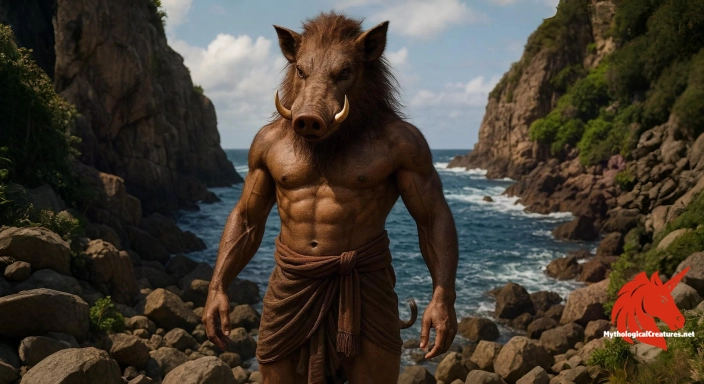
Dare to Meet the Varaha....
The Mythological Creatures Book Series
Yokai, Greek, Norse, Egyptian & Chinese. Five illustrated field guides to the creatures the old stories either warned or told you about.




Curated by the Mythological Creatures Team
Series editor: Mythological Creatures Directory
Primary desk: African & Diaspora Traditions Desk
(rev. November 2025)