
Cabeiro: Cabeiro, also known as Kabeiro, is a sea nymph from Greek mythology residing on the island of Lemnos.
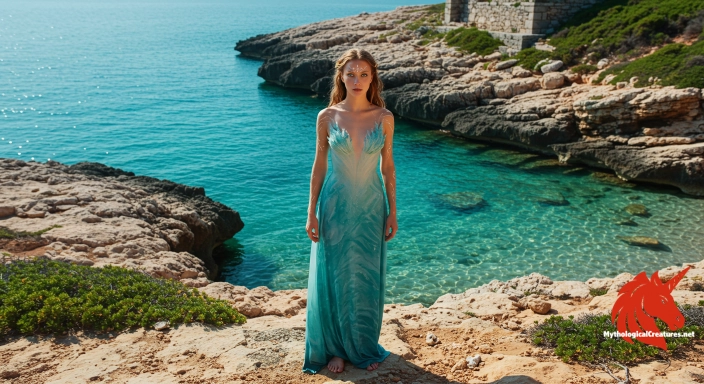
Cabeiro
Cabeiro - Significant in the Cabeiri mystery cult and maritime mythology.
the legend in five swipes.
the legend in five swipes.
The First Records of Cabeiro
Cabeiro emerges as a captivating figure within the rich tapestry of Greek myth, embodying both the mystique of the sea and the divine heritage of ancient deities. Residing on the rugged island of Lemnos, she is revered as a sea nymph whose origins are intricately linked to the elusive powers of Proteus, the shape-shifting marine god. Her genesis is set against a backdrop of ancient lore where the elements of water and divinity converge seamlessly. In one of the most intriguing narratives, her lineage not only reflects the fluidity of the ocean but also a connection with higher celestial spheres. Her life takes on added complexity when she becomes entwined with the exiled forge god, Hephaestus, whose fall from Olympus sets a dramatic stage for her myth.
The union with Hephaestus begets the enigmatic Cabeiri, deepening her narrative with themes of mystery and divine craftsmanship. Across the ages, her tale has been adapted to celebrate both the subtle nurturing force of nature and the fierce power of transformation. Elements of her story have inspired rituals and local celebrations that underscore an enduring connection to the sea. The intermixture of celestial exile and local devotion renders her myth a poignant reminder of the transient nature of both gods and mortals. Thus, Cabeiro stands as a timeless emblem bridging myth, nature, and the ever-shifting boundaries of the divine.
Where is Cabeiro written about?
Ancient narratives pertaining to Cabeiro are scattered across a range of literary fragments and archaeological artefacts that speak to her mysterious essence. While comprehensive primary texts are few, subtle references in vase paintings, inscriptions, and later Hellenistic writings offer tantalising glimpses of her role in the sacred traditions of Lemnos. Some fragments hint at her involvement with the secretive cults of the Cabeiri, suggesting that her influence extended beyond the immediate sphere of maritime lore. Local votive offerings and mythic inscriptions from coastal sanctuaries further attest to a worship that interwove her identity with the elemental forces of the sea and the transformative power of divinity.
Variations in the surviving accounts reveal a narrative that evolved through an interplay of oral lore and regional adaptations. Her liaison with Hephaestus is recurrently noted, emphasising themes of exile, rebirth, and divine synergy. Each variant, though modest in detail, contributes to a mosaic of interpretations that enrich her enigmatic profile. The paucity of a singular, authoritative source has allowed her myth to be revitalised and reimagined through diverse cultural lenses over the centuries. Collectively, these sources, though fragmentary, create a layered portrait of a deity who has long fascinated both scholars and devotees.
What does Cabeiro look like?
Artistic visions of Cabeiro often depict her as an embodiment of the ocean’s ephemeral splendour, with a figure as fluid and dynamic as the ever-changing tides. Her presence is rendered with an otherworldly radiance, as if her skin catches and reflects the light of a vast, mysterious sea. Flowing, cascading hair is a common motif in her depictions, frequently rendered in shades of deep blue and iridescent green that echo the colours of the marine expanse. Her delicate yet determined countenance speaks to a balance between tender beauty and the formidable force of nature. Some portrayals even suggest subtle aquatic adaptations, such as hints of fin-like shapes or shimmering scales that underscore her marine lineage.
The eyes of Cabeiro are typically shown as profound and reflective, capturing both the gleam of tranquillity and the stormy depths of oceanic lore. Variations in artistic style allow her form to appear both mutable and striking, a visual testament to her origins as the daughter of a shape-shifting deity. Draped in garments reminiscent of gently undulating waves, her attire enhances the impression of fluidity and ethereal movement. Every detail—from the soft luminescence of her skin to the rhythmic flow of her tresses—echoes the timeless mystery of the sea. Through these vivid portrayals, her physical essence becomes a powerful symbol of nature’s beauty interlaced with divine allure.
Cabeiro: The Same Figure in Different Places
The myth of Cabeiro has been reshaped by the distinct cultural and environmental influences of various regions throughout the Aegean. On Lemnos, where her legacy is most strongly felt, she is celebrated primarily as a sea nymph deeply rooted in maritime traditions and local ritual practices. In other coastal communities, however, her identity expands to incorporate additional layers of mysticism and regional symbolism. These local adaptations often blend her watery aspect with themes of fertility, protection, and even agricultural renewal, linking the bounties of the sea with the richness of the land.
In several areas, Cabeiro is venerated as a guardian figure whose benevolence extends to fishermen and seafarers facing the unpredictable moods of the ocean. Regional artefacts, from temple inscriptions to votive offerings, portray her with subtle variations that reflect local customs and natural phenomena. This flexibility in her portrayal has allowed her myth to thrive, adapting to the needs and beliefs of diverse communities. The vibrant tapestry of regional narratives highlights a dynamic interplay between pan-Hellenic myth and the unique cultural identities of individual areas. Such regionalisation not only enriches her story but also ensures her continued relevance as a symbol of nature’s multifaceted power.
Which other cultures tell a story like that of Cabeiro?
Cabeiro’s myth resonates with parallel figures found across numerous cultural traditions that celebrate the interplay between water and divinity. Her embodiment of both marine enchantment and maternal grace finds echoes in the ancient Naiads of Greece and the water spirits revered in Celtic lore. These figures, much like Cabeiro, manifest the dual nature of water as a nurturer and as an unpredictable force capable of invoking both blessings and peril. In the broader context of mystery cults, her role intertwines with that of the Cabeiri, a set of deities whose enigmatic influence pervaded Mediterranean spirituality.
The narrative of a divine union resulting in progeny that bridges the realms of craft and nature invites comparisons with other mythic traditions where physical and elemental forces converge. Her encounter with Hephaestus, which generates themes of transformation and creativity, mirrors similar mythic pairings in other cultures that blend the domains of earth and water. By representing the threshold between the human and the divine, Cabeiro also exemplifies a universal pattern seen in the mythologies of the Near East and beyond. Such comparative insights reveal how a single narrative can embody widespread human fascinations with nature, mystery, and the transformative power of the divine.
Where does Cabeiro appear in films and games?
Over the centuries, the myth of Cabeiro has transitioned from a locally revered sea nymph to a symbol of enigmatic natural beauty that continues to inspire modern interpretations. In classical antiquity, her presence was an intrinsic part of regional cult practices and mystery rites, where her union with Hephaestus echoed themes of exile and rebirth. As the dominant mythic narratives evolved, her story gradually receded from mainstream prominence, surviving in the quieter corners of local traditions and scholarly reconstruction. The resurgence of interest in ancient mythologies in recent times has revived her image as an emblem of nature’s mystical power and the eternal allure of the sea.
Modern artists, writers, and cultural commentators have embraced Cabeiro as a metaphor for transformation and the seamless blend of elemental forces. Her evolving portrayal reflects contemporary sensibilities that celebrate ecological consciousness and the reconnection with ancient spiritual symbols. Academic and popular explorations of ancient religion have further cemented her legacy, illuminating her role as both muse and guardian within a reimagined mythic landscape. By bridging the gap between a storied past and modern imaginative expression, Cabeiro endures as a potent reminder of the timeless power of myth and the ever-adaptive spirit of nature.
Interesting Fact
Cabeiro’s dual role as both consort and progenitor, entwined with the enigmatic Cabeiri cult, illustrates the complex interplay between divine banishment and creative fertility in Greek mythology.
Mythological Treasures
Greek Myths: A field guide to the monsters of ancient Greece
Every monster here earned its place in legend, and each gets a full page of artwork and the story behind it.
Japanese Yokai: A field guide to the spirits and demons of Japanese folklore
Fifteen spirits, with the signs to watch for and what the old tales say to do if you meet one.
Norse Sagas: A field guide to the beasts of the Viking world
Drawn from the saga accounts themselves, with the powers, weaknesses and doom of each being set out.
the legend in five swipes.
For serious myth projects
Feature your work alongside the legends
From academic works to story-rich games, we highlight projects that respect world mythologies. Talk to us about a measured, long-term placement.
Start a conversationQuick Creature Info
Origin:
Features:
Associations:
Our Mythic Legendary Rating:

Also Sometimes Known As:
Habitat:
Supernatural Powers:
Abilities:
Behavior:
Lore:
References
Discover Another Mythical Legend You May Not Have Heard Of?
Uncover the mysteries of ancient folklore and expand your knowledge of legendary beings from cultures around the world.
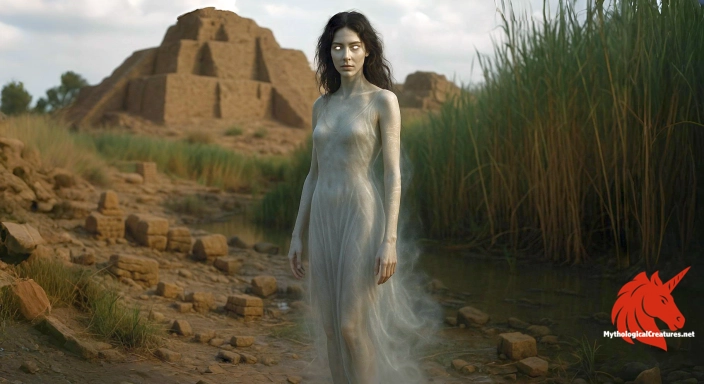
Dare to Meet the Ardat-lilî....
The Mythological Creatures Book Series
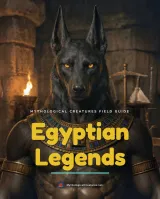
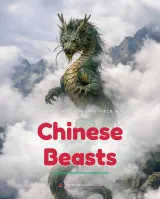
Yokai, Greek, Norse, Egyptian & Chinese. Five illustrated field guides to the creatures the old stories either warned or told you about.

Curated by the Mythological Creatures Team
Series editor: Mythological Creatures Directory
Primary desk: Hellenic & Ancient Mediterranean Desk
(rev. November 2025)