
Canshen: Canshen is the revered Chinese deity of silkworms and sericulture, embodying two mytho-historical figures: the nurturing Silkworm Mother and the ancestral Bluegreen-Clad God.

Canshen
Canshen - Highlights the divine origins of silk production and reflects the cultural importance of sericulture in ancient Chinese society.
Origins & First Encounters
Canshen, the Silkworm God, represents a unique fusion of myth and practical innovation within Chinese religion. Emerging from ancient lore, the deity embodies two distinct figures who are celebrated for their contributions to sericulture. One aspect is the goddess Cánmǔ, also known as Cángū, whose nurturing qualities and association with the earth underscore her role in the cultivation of silkworms. Her myth is intricately linked with the reverence for Houtu and the Three Skies, emphasising a deep connection to the natural world and the cosmos. In her narrative, the union with Huangdi highlights her pivotal position in the celestial hierarchy and in the founding myths of Chinese civilisation. In contrast, the male figure Qingyishén, identified also as Cáncóng or the Silkworm Twig, is celebrated as the pioneering ruler and ancestral hero of the Shu kingdom. His story underscores the integration of political leadership with practical innovations, specifically the spread of sericulture among his people. Together, these intertwined legends not only symbolise the genesis of silk production but also illustrate the harmonious balance of feminine and masculine energies in Chinese myth. Their enduring legacy reflects a tradition where natural phenomena and divine intervention converge to shape societal progress. Over time, these narratives have been recast, yet they remain central to China’s cultural memory and artisanal heritage.
Source Texts & Tale Variants
The narrative of Canshen is preserved through a diverse range of ancient texts, ritual manuscripts, and oral traditions that span many centuries. Early records, though fragmentary, paint a picture of these deified figures as central to the advancement of sericulture. In various local inscriptions and temple records, the Silkworm Mother appears in close association with revered earth deities, suggesting that her cult was widespread in central-northern and eastern China. In parallel, regional stories from the Sichuan area elevate Qingyishén as a founding figure whose mythic past is interwoven with the rise of the Shu kingdom. Multiple variations of the story have emerged over time, each reflecting the unique cultural and historical context of its region. Some accounts emphasise ritualistic practices and the sacred role of silk in daily life, while others recount heroic exploits and state formation. These differing narratives illustrate the dynamic evolution of the myth, influenced by both elite literary traditions and popular worship. Oral storytelling traditions have further enriched the tapestry of the legend, ensuring that each regional variant retains its distinct flavour. Over generations, the interplay between documented lore and folk narratives has allowed the deity’s story to evolve and adapt. Today, the rich mosaic of sources continues to inspire both scholarly interest and vibrant local worship.
Form & Powers
Artistic depictions of Canshen are a testament to the delicate interplay between human grace and the natural beauty of silk. The Silkworm Mother is frequently illustrated with flowing, diaphanous robes that evoke the lustrous quality of freshly spun silk, her garments often embroidered with intricate mulberry and silkworm motifs. Her visage is typically rendered with serene elegance, embodying both wisdom and a nurturing warmth that speaks to her divine role. Accessories such as a slender spindle or a trailing silken thread are common, symbolising the genesis of the textile arts. In contrast, the male manifestation, Qingyishén, is depicted as a stately figure whose countenance exudes both authority and a pioneering spirit. He is often adorned in regal robes that include subtle patterns reminiscent of cocoon textures, merging historical gravitas with the artistry of silk production. Variations in size and detail are evident across different media, with some portrayals emphasising compact intricacy and others showcasing expansive, majestic forms. In certain renderings, the goddess is surrounded by an ethereal glow, accentuating her link to nature and the divine. Rich, harmonious colour palettes are used to highlight the duality of gentle femininity and resolute masculinity inherent in the myth. Each representation, though unique, preserves the central theme of transformation—the metamorphosis of common silk into a symbol of divine craftsmanship.
Regional Faces
The veneration of Canshen unfolds with remarkable regional diversity, reflecting the distinct cultural identities within China. In the central-northern and eastern parts of the country, the goddess Cánmǔ is deeply integrated into local religious practice, where her worship is interlaced with that of the earth deity Houtu and the celestial Three Skies. Her image in these regions is consistently rendered as a gentle, nurturing presence, very much tied to the agrarian cycles and the bounty of the land. Conversely, in the Sichuan region, the focus shifts to Qingyishén, whose legacy as the inaugural ruler of the Shu kingdom imbues him with a heroic and pioneering aura. Local rituals and temple festivals in Sichuan often centre on his achievements in promoting sericulture, linking his myth to regional pride and historical statehood. This geographical variation has led to a rich diversity in iconography, where elements such as costume details and symbolic motifs may differ markedly. Rural communities in northern and eastern areas might integrate folktales of earth and fertility, while Sichuan narratives emphasise state formation and cultural innovation. These regional adaptations highlight how local traditions and economic practices shape the interpretation of divine figures. The differences in worship practices serve to reinforce the idea that even a single mythic entity can resonate uniquely with distinct communities. Each localized version maintains core themes while adapting nuances that reflect regional history and values.
Cultural Parallels
The myth of Canshen shares striking parallels with other cultural deities who are celebrated for their association with craftsmanship and natural transformation. In several mythologies around the world, divine figures connected to weaving and textile production symbolise the birth of civilisation through the mastery of craft. The role of Canshen echoes the mythic functions observed in the ancient Greek tradition, where the spinning of the Fates symbolised life’s intricate tapestry. Similarly, aspects of her story resonate with other agrarian deities in East Asia, where natural elements and human enterprise are often intertwined. The dual nature of Canshen—with one aspect illustriously nurturing and the other robustly pioneering—mirrors a common theme found across diverse mythologies: the balance of yin and yang in creative endeavours. This synthesis of femininity and masculinity appears in narratives that elevate both the artistic and practical dimensions of craft. Moreover, like many deities associated with vital resources, Canshen embodies the transformative power from natural to cultural heritage—a theme that finds echoes in mythic traditions from the Mediterranean to South Asia. The act of creating silk, turning humble beginnings into an art form, is reminiscent of how various cultures celebrate the elevation of everyday skills to divine status. Such comparative readings enrich our understanding of Canshen by positioning her within a broader, cross-cultural dialogue. This interplay between regional myths and universal archetypes underlines the enduring power of symbolism across time and cultures.
Legacy & Modern Evolution
The evolution of Canshen’s myth from ancient cult practices to contemporary cultural symbolisms offers a fascinating glimpse into the dynamic nature of myth-making. Early depictions mostly focused on her role as a literal and allegorical nurturer of sericulture, celebrated within local communities and temple rituals. As Chinese civilisation evolved, the narrative of Canshen was gradually woven into the fabric of state ideology and artistic expression, representing the marriage of technological ingenuity with divine favour. In more recent times, the goddess and her male counterpart have come to represent broader themes of innovation, resilience, and the transformative power of nature. Modern festivals and cultural events have revived these ancient narratives, merging traditional rituals with artistic reinterpretations that speak to today’s audiences. Contemporary art and media often draw upon the imagery of flowing silks and celestial symbols to evoke the timeless elegance of Canshen. Scholars and cultural critics now re-examine her legend through lenses of gender dynamics, local identity, and historical continuity. The renewed interest in traditional crafts has also spurred an artistic renaissance, reconnecting modern industry with its mythic origins. Digital platforms and interactive exhibitions are further expanding the reach of this ancient lore, ensuring that Canshen’s legacy remains vibrant. Her story now serves as both a reminder of China’s rich historical tapestry and an inspirational model for embracing the intersection of tradition and modernity. Ultimately, the continuing evolution of her myth mirrors the adaptive spirit of a culture that honours its past while innovating for the future.
Interesting Fact
An intriguing aspect of Canshen is the dual representation of silk production's divine origin, marrying both maternal and ancestral elements in one unified myth.
Partner with Mythological Creatures
Bring your myth-based world into ours
From game settings to narrative worlds, we work with partners who treat myths with care. Share your project for a potential sponsor slot.
Partner with usQuick Creature Info
Features:
Associations:
Our Mythic Legendary Rating:

Also Sometimes Known As:
Habitat:
Supernatural Powers:
Physical Attributes:
Abilities:
Behavior:
Lore:
Related Creatures, Tales or Lore
- LLeizu
- AArachne
- AAnansi
References
Discover Another Mythical Legend You May Not Have Heard Of?
Uncover the mysteries of ancient folklore and expand your knowledge of legendary beings from cultures around the world.
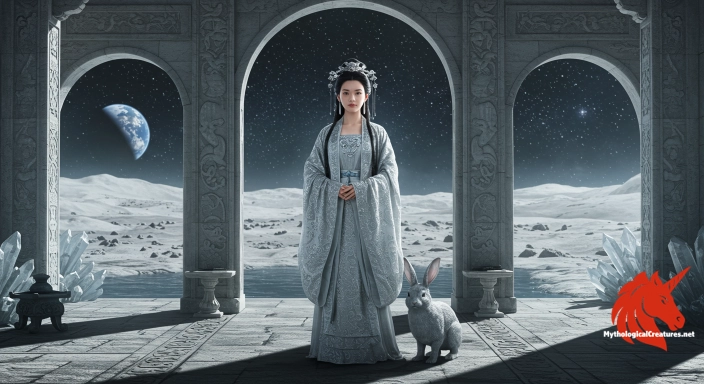
Dare to Meet the Chang'e....
Curated by the Mythological Creatures Team
Series editor: Mythological Creatures Directory
Primary desk: Asian & Pacific Myth Cycles Desk
(rev. November 2025)