
Chang: The chang is a malevolent Chinese ghost or zombie, cursed to lure unsuspecting victims to death on behalf of a tiger.
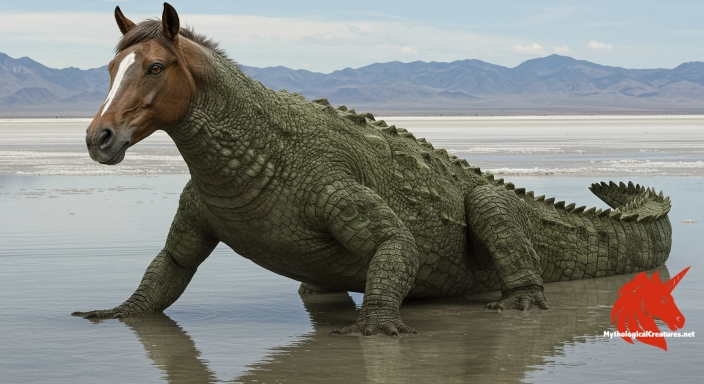
-8a52856a-bc04-483c-9a0d-ae813d88915f_small.webp "Chang - The chang embodies the tragic enslavement of souls used as instruments in a cycle of retribution, highlighting themes of vengeance, fate, and the interdependency of malevolent forces in Chinese lore.")
Chang
Chang - The chang embodies the tragic enslavement of souls used as instruments in a cycle of retribution, highlighting themes of vengeance, fate, and the interdependency of malevolent forces in Chinese lore.
Origins & First Encounters
Chang is a mysterious spectre woven into the rich tapestry of Chinese mythology, arising from tragic deaths and unnatural curses. Its origins are traced to individuals who met their end in violent encounters with tigers or, in some tellings, in the depths of drowning waters. The creature is not a mere ghost but an embodiment of unresolved fate, doomed to lure unsuspecting victims into the cycle of death that once claimed its life. This eerie entity blurs the line between victim and predator, caught in a perpetual struggle that is as metaphysical as it is literal. The legend first surfaced in prominent compilations during the Song dynasty, where scholars and storytellers alike recorded its haunting presence. Over time, the chang has come to symbolise the interplay between nature’s raw ferocity and the spiritual consequences of violence. Its narrative serves as a cautionary tale, warning that the past may return in unpredictable and dangerous forms. Rooted deeply in ancient cultural contexts, the chang remains a poignant reminder of the transient boundaries between life and death.
Source Texts & Tale Variants
The earliest and most influential account of the chang appears in the Song-era compendium Taiping Guangji, a collection of supernatural tales compiled by Tang Peizheng. This text not only solidified the chang’s role as a cursed spirit but also laid the groundwork for its enduring legacy in Chinese folklore. Subsequent oral traditions and lesser-known manuscripts have expanded on this narrative, often blending literary embellishment with regional superstition. Variants of the story sometimes introduce nuances, such as the chang’s origin from drowning, further enriching its mythological tapestry. The creature’s presence is also immortalised in a series of Chinese idioms that evoke its role in assisting malevolent forces, thereby weaving it into everyday cultural expressions. These idiomatic usages, including the notion of “acting the chang for the tiger,” exemplify how folklore can influence language and social perceptions of complicity. Despite minor differences among sources, the chang consistently appears as a spectral intermediary between fate and the wild. The multiplicity of these narratives underscores a collective effort to explain and moralise the inexplicable forces of nature and death.
Form & Powers
The chang is often depicted as a ghostly figure whose appearance merges the remnants of mortal life with an ethereal, otherworldly glow. It typically manifests with a pallid, translucent complexion, as if lit by an unearthly moonlight, accentuating its spectral nature. Varying accounts describe the chang with unkempt hair that billows as if caught in an invisible breeze, suggesting both decay and lingering vitality. Its tattered garments and faded features evoke a sense of profound loss, hinting at the violent circumstances of its earthly demise. Some portrayals incorporate subtle hints of its connection to the tiger, with fleeting impressions of striped markings or a menacing gaze that mirrors the animal’s ferocity. The creature’s eyes are frequently presented as dark and hollow, conveying the deep torment and perpetual hunger that fuel its cursed existence. In artistic renditions, the chang’s form is fluid, sometimes appearing diminutive and ghost-like, while other times assuming a more imposing, shadowy silhouette. These visual details collectively render the chang as both terrifying and tragically sympathetic, a physical echo of a soul bound to an inescapable destiny.
Regional Faces
Across different regions of China, the chang has taken on various attributes that reflect local environmental and cultural influences. In southern provinces, storytellers often imbue the chang with a sense of tragic resignation, portraying it as a forlorn spirit haunted by sorrow and the inevitability of fate. Contrastingly, in northern traditions the creature is frequently described as a more sinister presence, an active agent in the cyclical vengeance of nature. Rural communities, where encounters with tigers held significant symbolic meaning, sometimes view the chang as a dire omen—a spectral warning of imminent misfortune. Regional lore may also intertwine the chang with the mystique of local landscapes, such as fog-draped forests or the murmur of flowing rivers at night. This diversity in portrayal underlines how local beliefs adapt a common myth to address unique cultural and environmental concerns. Even as the chang’s core narrative remains intact, its physical and behavioural characteristics are subtly modulated to resonate with local sensibilities. These regional adaptations not only enrich the chang’s mythology but also highlight the dynamic interaction between collective memory and place.
Cultural Parallels
Although the chang is a distinct figure in Chinese folklore, its narrative shares similarities with ghostly legends found around the world. Comparable to Japan’s onryō, the chang is a vengeful spirit driven by a powerful force that compels it to act in the realm of the living. Like many revenants in European legends, the chang embodies the idea of death refusing to remain final, emerging to exact a form of retribution or to complete an unfinished destiny. This interplay of victim and instrument is echoed in other Chinese supernatural entities such as the jiangshi, though the chang’s bond with the tiger sets it apart. In both Eastern and Western mythologies, there exists a fascination with figures who straddle the boundary between life and death, serving as metaphors for unresolved emotional or natural forces. The chang’s role as an intermediary—torn between the natural world and the realm of spirits—resonates with universal themes of balance and retribution. These parallels allow for a rich comparative analysis that situates the chang within a broader spectrum of cultural expressions relating to vengeance and the supernatural. Ultimately, the chang’s unique narrative, marked by its interdependence with a fierce animal symbol, offers a compelling counterpoint to similar myths across diverse cultures.
Legacy & Modern Evolution
Historically, the chang has evolved from a niche spectral figure into a broader cultural symbol resonating with themes of retribution and the inescapability of fate. Over the centuries, its depiction has transformed, reflecting the shifting values and artistic sensibilities of Chinese society. Early literary sources framed the chang as a cautionary embodiment of karmic retribution, a role that has been absorbed into everyday idiomatic expressions. In modern times, the chang has gained renewed attention in horror literature, cinema, and digital storytelling, where it is often reinterpreted as both a haunting menace and a tragic figure caught in a cycle of violence. Contemporary depictions tend to explore its dual identity—the interplay between victimhood and agency—providing a layered perspective on the nature of guilt and complicity. Urban legends and modern artistic works have incorporated elements of traditional folklore, all the while imbuing the chang with new symbolism relevant to modern existential anxieties. The persistent use of idioms derived from its lore underscores its lasting influence on cultural narratives and moral discourse. As modern interpretations continue to build on ancient motifs, the chang remains a potent symbol bridging ancient superstitions with contemporary understandings of fate, justice, and the supernatural.
Interesting Fact
The chang exemplifies a unique cultural intersection where the sorrow of untimely death, animal ferocity, and supernatural retribution merge to form potent moral idioms that have endured in Chinese folklore.
For serious mythcraft
Your project belongs among the legends
If your work deepens how people understand, play with, or teach mythology, a sponsor placement here keeps it in front of the right readers all year.
Submit a sponsorship enquiryQuick Creature Info
Features:
Our Mythic Legendary Rating:

Habitat:
Supernatural Powers:
Physical Attributes:
Abilities:
Behavior:
Lore:
References
Discover Another Mythical Legend You May Not Have Heard Of?
Uncover the mysteries of ancient folklore and expand your knowledge of legendary beings from cultures around the world.
Dare to Meet the North Shore Monster....
Curated by the Mythological Creatures Team
Series editor: Mythological Creatures Directory
Primary desk: Asian & Pacific Myth Cycles Desk
(rev. November 2025)