
Chickcharney: The Chickcharney is a legendary, owl-like creature native to Andros Island in the Bahama Islands, renowned for its peculiar appearance and dual capacity to confer good fortune or bring misfortune.
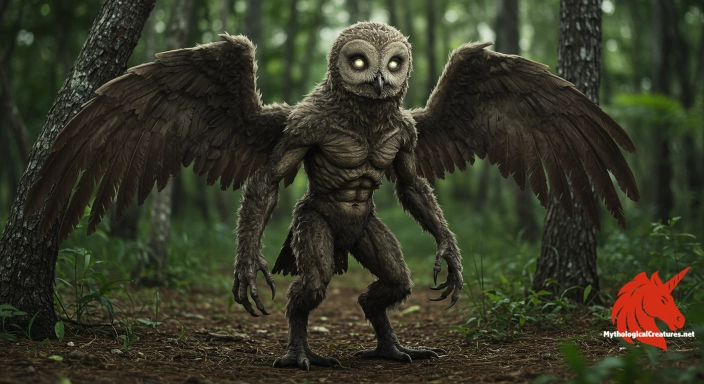
Chickcharney
Chickcharney - The Chickcharney serves as a moral exemplar in local traditions, rewarding kindness and punishing mockery while symbolizing the mystical interplay of fate and behavior.
Origins & First Encounters
The chickcharney is a mystical creature that has long enchanted the people of Andros Island in the Bahamas with its enigmatic presence. Born from a rich tradition of oral storytelling, its legend has been handed down through generations as a symbol of both fortune and retribution. Emerging from the dense forests, the creature's dual nature of bestowing luck for kind gestures while punishing disrespect has made it a central figure in local lore. Its origins, though shrouded in mystery, are deeply interwoven with the natural landscape and communal values of the island. Early attestations suggest that the chickcharney was conceived as a guardian spirit, embodying the unpredictability of the wild. The creature’s narrative is a blend of cautionary moral tales and celebratory myth, reflecting the challenges of living in harmony with an untamed environment. Islanders have long regarded its sightings as omens that carry significant meaning for their daily lives. The tale of this creature has grown, nuanced by various personal experiences and communal retellings, ensuring its place in Bahamian cultural heritage. Its story not only entertains but also serves as a reminder of the delicate balance between respect for nature and the consequences of human actions.
Source Texts & Tale Variants
Stories of the chickcharney originate primarily from the vibrant oral traditions of Andros Island, with multiple versions handed down over centuries. Written accounts, though rare, have been interspersed with folklore collections that preserve the creature’s mythic qualities. Travellers and locals alike have shared their unusual encounters, providing a vivid patchwork of narratives that contribute to the overall legend. Some narratives detail close encounters in the forest, describing how the creature’s presence altered the course of one’s day or destiny. As folklore evolved, variations in its tale emerged, each adding layers of moral complexity and supernatural intrigue. Folklorists have noted that while early records are sparse, the recurring theme of reward and punishment for human behaviour has remained constant. Despite the lack of a formal ancient text, the multiplicity of regional accounts has enriched the myth. Contemporary retellings continue to infuse the legend with new elements, blending historical anecdotes with imaginative embellishments. These varied narratives underscore the adaptive nature of myth, allowing the chickcharney to retain its allure across different generations.
Form & Powers
The chickcharney is described as a singularly odd and captivating creature, standing at roughly three feet tall with a blend of avian and mammalian characteristics. Its visage is often likened to that of an owl, complete with large, expressive eyes that seem to harbour ancient wisdom. The creature’s body appears either furry or feathered according to different accounts, lending it an ambiguous, ethereal quality. Its disproportionately long legs contribute to a hunchbacked posture, setting it apart from conventional bird or mammal forms. Notably, the creature possesses clawed hands that are ingeniously integrated into its winged structure, providing it with a distinctly unusual silhouette. Variations in its appearance are common, with some traditions hinting at a more rodent-like or even primate-influenced form. The chickcharney’s overall look is deliberately unsettling, enhancing its mystique and reinforcing its role as a harbinger of fate. Its eyes, sometimes said to glisten in the dim light of the forest, add a layer of eerie splendour to its otherwise grotesque features. Every detail, from its awkward proportions to its unrefined charm, serves as a powerful reminder of the creature’s ancient, otherworldly origins.
Regional Faces
The legend of the chickcharney is most intimately tied to Andros Island, yet its stories have seeped into the wider cultural milieu of the Bahamian archipelago. In neighbouring islands, subtle distinctions emerge in the creature’s description and the moral lessons it imparts. Some regional variants place greater emphasis on its role as a benevolent spirit, while others underscore its potential for ominous retribution when disrespected. The local environment heavily influences these adaptations, with some accounts describing it amidst more tropical or even arid settings. This geographical variation not only reflects differing ecological backdrops but also varying community values and superstitions. In certain retellings, the chickcharney is portrayed as a silent protector whose mysterious actions maintain the natural order. Across these regional narratives, its physical appearance and behavioural traits remain consistent enough to maintain a shared identity. Each island’s interpretation enriches the overall myth, serving as a lens through which the diverse peoples of the Bahamas interpret nature and chance. The regional adaptations illustrate how myth can evolve contextually while retaining a core symbolic resonance that unites disparate communities.
Cultural Parallels
The chickcharney resonates with a number of other mythological beings that bridge the gap between the natural world and the supernatural realm. Its distinctive blend of bird-like features and mammalian traits invites comparisons with other legendary creatures such as the Thunderbird from Native American lore and the strange avian spirits found in various European traditions. Like these creatures, the chickcharney embodies a dualism—a capacity to both bless and curse its human observers based on their conduct. Its unpredictable nature mirrors that of many global legends where a single encounter can portend either serendipity or misfortune. The rich tapestry of its myth aligns it with other cultural phenomena that similarly warn against the consequences of hubris and the importance of respect for nature. This parallel is particularly evident in traditions where the creature’s appearance is both an omen and a moral test. The cross-cultural similarities highlight universal themes found in folklore, where unusual beings serve as intermediaries between divine or natural forces and human communities. The comparative study of such figures reveals a recurring narrative function: to instil a sense of wonder and caution in those who encounter the unfamiliar. In this way, the chickcharney stands shoulder to shoulder with mythic archetypes found in many parts of the world.
Legacy & Modern Evolution
The enduring myth of the chickcharney continues to be a dynamic and influential aspect of Bahamian culture in modern times. Over the decades, its image has been repurposed, finding new life in the realms of art, literature, and community festivals. Contemporary storytellers and artists have drawn upon its striking features to evoke both the mystery of the island’s ancient past and the resilience of its natural environment. The creature’s role as both a harbinger of good fortune and a stern reminder of nature’s retribution has maintained its relevance in today’s world. Modern interpretations often blend the old folklore with current environmental issues, casting the chickcharney as a protector of delicate ecosystems. This evolution reflects a broader trend in which traditional myths are reimagined to address contemporary concerns while preserving cultural identity. Local tourism initiatives and social media narratives have further propelled the creature into popular consciousness, reinforcing its legendary status. As such, the chickcharney not only honours a rich historical past but also continues to inspire conversations about the interplay between humanity and the natural world. Its legacy is a testament to the enduring power of myth to evolve and captivate across the ages.
Interesting Fact
One of the most fascinating elements of the Chickcharney legend is its role as a moral barometer—rewarding those who act with kindness while harshly punishing disdain, a duality that continues to captivate locals and enthusiasts of folklore alike.
Partner with us
Sponsor this space
Reach thousands of mythology enthusiasts with a curated placement on our creature pages.
Learn about sponsorshipQuick Creature Info
Origin:
Associations:
Our Mythic Legendary Rating:

Also Sometimes Known As:
Habitat:
Supernatural Powers:
Physical Attributes:
Abilities:
Behavior:
Lore:
References
Discover Another Mythical Legend You May Not Have Heard Of?
Uncover the mysteries of ancient folklore and expand your knowledge of legendary beings from cultures around the world.
Dare to Meet the Hamskerpir and Garðrofa....
Curated by the Mythological Creatures Team
Series editor: Mythological Creatures Directory
Primary desk: Americas & Indigenous Traditions Desk
(rev. November 2025)