
Chloris: Chloris is a Greek nymph and goddess closely associated with spring, flowers, and new growth.
-b52dfecb-743e-468e-9078-03681b474ec3_small.webp "Chloris - Represents the rejuvenating power of nature and the perpetual cycle of renewal that follows winter.")
Chloris
Chloris - Represents the rejuvenating power of nature and the perpetual cycle of renewal that follows winter.
Origins & First Encounters
Chloris emerges in Greek mythology as a luminous embodiment of spring and the eternal rebirth of nature. Her name, resonating with hues of greenish-yellow and freshness, reflects her intrinsic connection to new growth and the blossoming of flowers. She is traditionally depicted as a nymph or goddess whose presence breathes life into the desolate months, heralding the arrival of warmer days. In the tapestry of ancient myth, her first attestation is intertwined with pastoral traditions and agricultural rites, emphasising the natural cycle of dying winter and rejuvenating spring. Many ancient sources place her in the serene Elysian Fields, an otherworldly realm reserved for souls and deities blessed with eternal springtime. This character not only symbolises nature’s vivacity but also offers hope and renewal to communities heavily reliant on seasonal cycles. Chloris’ early mythological narrative was enriched by associations with wind deities, which further cemented her role in orchestrating the change of seasons. The imagery surrounding her was celebrated in festivals and rituals that marked nature’s resurgence, making her an integral part of cultural celebrations across ancient Greece. Over time, her myth evolved as it diffused through various artistic and literary expressions, always retaining the essence of rejuvenation. Her enduring legacy continues to mirror the eternal transformation inherent in the natural world.
Source Texts & Tale Variants
Ancient literary fragments and mythographic compilations provide the primary foundations of Chloris’ story, even though direct references to her in the earliest texts remain comparatively scarce. Over the centuries, various poetic narratives embellished her role, intertwining her existence with the themes of fertility and nature’s cyclical revival. Some accounts detail her as a secluded forest nymph whose gentle influence was pivotal in ensuring the reawakening of the earth after winter’s slumber. In other story variants, she is portrayed in tandem with the west wind, a partnership that symbolically ushers in the flourishing of flora. Later classical works, especially those emerging during the Hellenistic period and into Roman times, began fusing her identity with that of Flora, thereby expanding her mythological footprint. Different storytellers provided nuanced portrayals that ranged from the mystical and reserved to the vibrant and life-affirming, each highlighting her multifaceted nature. Oral traditions also played a key role in preserving her character, with regional renditions adding local colour and detail. Ancient artistic depictions, found on pottery and frescoes, further attest to the varied interpretations that have survived over millennia. These sources collectively underscore the depth and complexity of her persona, even if no single narrative captures her entirety. The amalgamation of these accounts has ensured that Chloris’ legacy remains both richly layered and open to reinterpretation across ages.
Form & Powers
Artistic representations of Chloris consistently highlight an ethereal beauty that mirrors the delicate qualities of the spring season. Her visage is often described as radiant, with a complexion reminiscent of fresh, dewy blossoms and soft, youthful light. In many depictions, her eyes shimmer with the verdant greens of newly awakened foliage, symbolising the promise of rebirth. Her hair, flowing and lustrous, is sometimes portrayed in shades that echo the first hues of sunrise filtering through a canopy of leaves. Chloris is frequently adorned with garlands of fresh flowers and slender, elegant garments that mirror the natural textures and colours of a blooming garden. Each element of her appearance, from the gentle curve of her smile to the delicate drapery of her robes, is designed to evoke the transient yet profound vitality of spring. The interplay of soft luminosity and natural motifs in her portrayal speaks volumes about her dual role as both a nurturer and a harbinger of change. Many ancient sculptures and reliefs capture her in a pose that reflects both movement and repose, akin to the rhythmic cycles of nature. Subtle variations in her iconography, such as the inclusion of specific flower types, further underscore the regional shifts in her physical depiction. Overall, her image has come to represent nature’s faultless elegance and the ephemeral beauty of the season’s first bloom.
Regional Faces
Regional interpretations of Chloris vary significantly across the ancient Mediterranean, reflecting diverse cultural landscapes and local traditions. In certain parts of Greece, she is depicted as a gentle woodland nymph whose presence is intertwined with the rustic rhythms of the countryside and the local agricultural calendar. In contrast, regions that celebrated the mystique of the Elysian Fields portrayed her with an otherworldly, almost celestial aura. As Greek cultural influences spread into Roman territories, Chloris’ identity began to merge with that of Flora, bringing elements of both traditions into a singular, more universally recognisable deity of spring. Local festivals and rites often honoured her in ways that bespoke the native flora, incorporating indigenous symbols and regional colours. Artists in different city-states adapted her image to suit local aesthetics, combining subtle differences in attire and iconographic motifs that resonated with community-specific narratives. In some locales, she was celebrated alongside other deities of fertility and renewal, forging a close relationship within the broader pantheon of seasonal gods and goddesses. These regional adaptations not only enriched her myth but also enabled communities to see themselves reflected in her divine qualities. The synthesis of these local variations highlights the fluidity of myth, wherein a single figure adapts to embody the unique cultural essence of multiple traditions. Hence, Chloris stands as a testament to the adaptability of myth in response to the diverse interpretations of nature’s cyclical beauty.
Cultural Parallels
Chloris shares a rich array of cultural parallels with similar deities across various mythological traditions, underscoring the universal appeal of nature’s renewal. The Roman goddess Flora, for instance, is almost a direct analogue, encapsulating many of the same themes of growth, fertility, and the unyielding rebirth of spring. In contrasting her with deities from other cultures, one can observe striking similarities with certain Celtic figures who embody the vibrancy and impermanence of seasonal cycles. Across different societies, there exists a recurrent motif of a divine feminine figure who is intrinsically linked with the blossoming of nature, a symbol that transcends geographical borders. Many of these deities are celebrated for their role in heralding the return of life after the barren phase of winter, reinforcing shared cultural narratives around hope and regeneration. Comparative analysis reveals that while local symbols and rituals might differ, the essential symbol of a nurturing, life-giving presence remains consistent. Mythic narratives often draw parallels between these figures, emphasising common human experiences of longing, renewal, and the perpetual cycle of birth and decay. Coupled with the blending of artistic styles, such cross-cultural parallels have bolstered the prominence of seasonal goddesses in the collective imagination. This convergence of themes across mythologies illustrates a harmonious blend of natural observation and spiritual storytelling. Ultimately, Chloris serves as an emblematic bridge that connects various cultural expressions of nature’s bounty, reflecting a shared human affinity for the regenerative forces of the earth.
Legacy & Modern Evolution
The evolution of Chloris’ myth from ancient times to the modern era vividly illustrates the enduring power of nature’s symbols in human culture. In the wake of the classical period, Renaissance artists rediscovered her image, imbuing their works with delicate floral motifs and an ethereal quality that celebrated the reawakening of spring. Over centuries, her narrative has evolved, absorbing elements from local traditions and transforming into a broader symbol of renewal and eternal hope. Modern interpretations often cast her as a muse for environmental conservation, embodying the delicate balance between human activity and nature’s persistent cycles. Contemporary literature and visual arts have embraced her as a metaphor for transformation, capturing her as a timeless reminder of the beauty inherent in rejuvenation. Festivals celebrating the natural world frequently evoke her legacy, bridging ancient myth with modern communal expressions of gratitude toward nature. This evolution mirrors a broader cultural shift, where symbols of the past are reimagined to address current ecological and social challenges. In many ways, Chloris has transcended her original mythological confines to become a universal icon of life’s persistent resurgence. Her enduring legacy is celebrated through various artistic and ecological movements that continue to highlight the transformative power of spring. As such, she remains a potent emblem of both historical depth and contemporary relevance, inspiring endless reinterpretations and ongoing admiration.
Interesting Fact
Chloris is frequently equated with the Roman goddess Flora, highlighting how ancient mythologies adapted and reinterpreted deities to reflect similar natural phenomena across cultures.
For authors, artists, and makers
Created something from the realm of myth?
If your book, deck, game, or artwork draws from legendary creatures and lore, you can showcase it here in a tasteful, year-round placement.
Share your projectQuick Creature Info
Origin:
Associations:
Our Mythic Legendary Rating:

Also Sometimes Known As:
Habitat:
Supernatural Powers:
Physical Attributes:
Abilities:
Behavior:
Lore:
Related Creatures, Tales or Lore
- FFlora (Roman counterpart)
- PPersephone (Greek goddess associated with seasonal change)
References
Discover Another Mythical Legend You May Not Have Heard Of?
Uncover the mysteries of ancient folklore and expand your knowledge of legendary beings from cultures around the world.
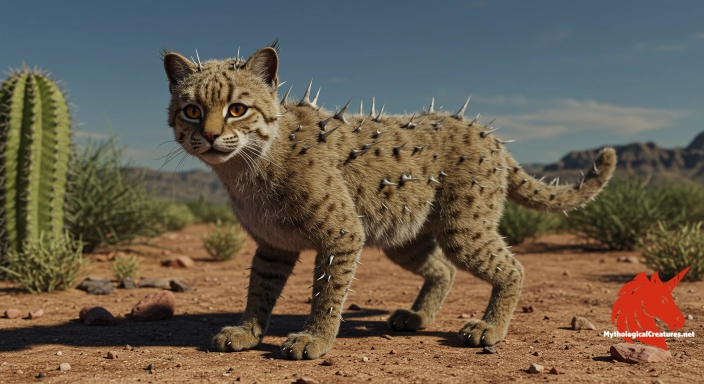
Dare to Meet the Cactus cat....
Curated by the Mythological Creatures Team
Series editor: Mythological Creatures Directory
Primary desk: Hellenic & Ancient Mediterranean Desk
(rev. November 2025)