
Chort: The Chort is a malevolent demon from Slavic folklore, characterized by its horns, hooves, and skinny tail.
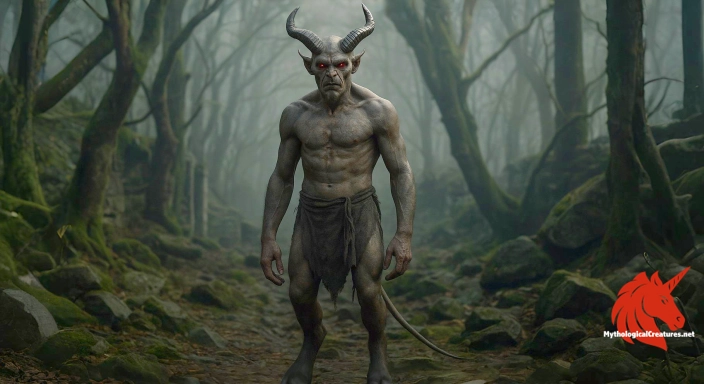
Chort
Chort - Represents darker forces in Slavic mythology and is invoked in curse expressions.
Origins & First Encounters
The Chort occupies a distinctive place in Slavic mythology as a figure steeped in both ancient pagan roots and later Christian reinterpretations. Its origins are intertwined with early mythic narratives, emerging from a time when the boundaries between the natural and the supernatural were fluid and shifting. The creature is often portrayed as a son of the dark deity Chernobog and the enigmatic goddess Mara, which places it at the heart of cosmic dualities. Its presence in folk tradition has been solidified through the numerous names it acquires in Russian, Ukrainian, Belarusian, Polish, Czech, and other regional languages. The Chort’s persona is a blend of human and bestial qualities, mirroring the moral ambiguity of human nature itself. Its role in myth is multifaceted, embodying both mischief and underlying malevolence, serving as a reminder of the lurking dangers in the unseen world. Over time, the Chort evolved from a shadowy embodiment of chaos to a more defined figure associated with sin and misfortune. This mythical entity also provided a narrative tool through which communities could explain the inexplicable, cementing its place in cultural lore. Its early attestations, rooted in oral tradition, were later codified by folklorists as symbols of the darker aspects of existence. Even today, its legacy is echoed in everyday expressions and curses, reflecting an unyielding influence on Slavic cultural identity.
Source Texts & Tale Variants
The body of texts and oral traditions surrounding the Chort is as varied as the regions in which it is known. Early manuscripts and later folklore collections have preserved its image through diverse narrative strands, each adding layers to its mythos. A rich assortment of stories, passed down orally and later committed to print, portrays the Chort as both a trickster and a sinister servant of darker powers. Not infrequently, these stories are embedded in the casual language of daily life, where sayings invoke the demon’s name as a metaphor for misfortune. Variants of the tales sometimes connect the Chort with ancient rites and mysterious ceremonies, imbuing it with a sacred, albeit malevolent, resonance. The diversity in the narrative sources illustrates how different communities shaped the creature’s character according to local perceptions of evil and chaos. Folk songs, proverbs, and regional legends all contribute to a composite picture that is as complex as it is intriguing. Some narratives even elevate the Chort from a mere subordinate of evil into a more autonomous figure with a distinct personality. Literary re-tellings over the centuries have added fresh interpretations, ensuring that the myth remains dynamic and continuously reimagined. This multiplicity of sources underscores how folklore serves as a living archive, capturing and transmitting the evolving nature of the creature’s story.
Form & Powers
The physical depiction of the Chort is marked by a striking blend of anthropomorphic and bestial features that make it instantly recognisable. Its form is typically human-like yet twisted by qualities that evoke the otherworldly, with pronounced horns that curve or jut menacingly from its head. The creature’s eyes often appear sharp and glistening, conveying both cunning intellect and a deep-seated malevolence. Hooves replace conventional human feet, reinforcing its hybrid nature, while a thin, sinuous tail further emphasises its demonic silhouette. Artistic renditions sometimes lend it a rugged, almost wild appearance, with hints of scruffy hair and a weathered, almost ancient complexion. The contrasting elements of its anatomy—the human shape combined with animalistic traits—serve to unsettle the observer and blur the lines between man and monster. Variations in size and stature can be seen in different depictions, with some images presenting a more lithe and agile form and others a bulkier, more imposing figure. The choice of colours in illustrations, ranging from deep reds to shadowy greys, underlines its connection with the realms of darkness and misfortune. Detailed accounts in folklore emphasise these physical peculiarities, ensuring that the visual representation of the Chort leaves a lasting, indelible mark on the imagination. Each physical characteristic serves as a symbolic reminder of the creature’s complex role within the mythological landscape.
Regional Faces
The Chort manifests in various forms across the Slavic world, with each region contributing unique nuances to its portrayal. In Russian tradition, the creature is frequently depicted with an overtly diabolical aspect, mirroring the influence of Christian imagery. Ukrainian narratives add an intriguing dimension by occasionally ascribing a priestly role to the Chort within the cult of dark deities. Meanwhile, Belarusian, Polish, and Serbo-Croatian renditions highlight regional linguistic variations and local folklore colours that enrich its characterisation. In some local traditions, the Chort assumes a more mischievous role, engaging in pranks that blur the lines between evil and playful trickery. The physical and behavioural attributes of the creature are often adapted to reflect the natural landscapes and cultural sentiments specific to each area, such as the dense forests and harsh terrains of Eastern Europe. These variations are further echoed in local customs and colloquial expressions where the demon’s name is invoked to convey frustration or to ward off bad luck. Regional art and festivals sometimes incorporate the Chort as a symbolic figure, which further consolidates its role within community identity. Despite these regional differences, a common narrative of inherent malevolence and trickster mischief persists throughout. The flexibility in its portrayal ensures that the Chort remains a relevant and adaptive figure in an ever-changing cultural milieu.
Cultural Parallels
The Chort shares a number of striking similarities with other demonic and trickster figures found across various mythological traditions. Its depiction as horned and hoofed draws immediate parallels with the Christian devil, yet it is distinct in its deep connection to pre-Christian Slavic deities like Chernobog. This duality finds echoes in other cultures where figures such as the Germanic kobold or even the Greco-Roman satyrs embody a blend of mischief and malevolence. The fluidity of its character, oscillating between that of a punisher and a playful trickster, is reminiscent of imps and other minor spirits in Western folklore. A comparative analysis reveals that the Chort, much like similar entities in Celtic and Mediterranean mythologies, serves as a symbolic intermediary between the ordered world and the chaos beyond. Such creatures underscore a universal cultural task: the externalisation of internal fears and the personification of the negative forces that unsettle human life. While many mythological demonic images caution against moral transgressions, the Chort uniquely incorporates aspects of cultural humour and irony. The shared motifs of horns, hooves, and a connection to dark, liminal spaces create a tapestry of interwoven mythic symbols that resonate across continents. This comparative framework not only highlights the versatility of folklore but also the common human impulse to depict evil in vivid, tangible forms. The Chort remains a potent example of how myth transcends cultural boundaries to express fundamental aspects of the human condition.
Legacy & Modern Evolution
The evolution of the Chort’s portrayal reflects a fascinating journey from antiquity to modern popular culture. Its earliest incarnations were tied closely to ancient pagan rites, where the creature embodied the mysterious and uncontrollable forces of nature. With the advent of Christianity, the image of the Chort was gradually reinterpreted, absorbing characteristics of the biblical devil while retaining echoes of its archaic origins. Over the centuries, the demon became a fixture in folk art, literature, and everyday colloquial language, its name a subtle curse or exclamation in times of distress. Contemporary portrayals in films, video games, and graphic novels have reimagined the Chort with a blend of traditional iconography and modern stylistic twists, further cementing its relevance. These modern adaptations often play with its fearsome attributes while also infusing it with a measure of dark humour or irony. The historical evolution of the Chort highlights a broader trend of mythological figures undergoing continual reinvention in response to changing social and cultural contexts. Its enduring presence in the collective imagination serves as a testament to the power of myth in capturing both human anxieties and the allure of the supernatural. Today, the Chort stands at the crossroads of heritage and innovation, a timeless symbol that continues to inspire new interpretations and cultural expressions. This modern legacy ensures that the creature remains a vivid and dynamic part of the modern mythos, bridging the gap between ancient superstition and contemporary fantasy narratives.
Interesting Fact
An interesting fact is that the term 'Chort' is commonly used as a mild expletive in several Slavic languages, reflecting its deep cultural resonance beyond mythology.
For indie creators
Give your myth project a permanent home
Indie authors, artists, small studios, and makers can secure an annual, non-intrusive sponsor slot that meets readers where they explore.
Obtain more informationQuick Creature Info
Associations:
Our Mythic Legendary Rating:

Also Sometimes Known As:
Habitat:
Supernatural Powers:
Physical Attributes:
Abilities:
Behavior:
Lore:
References
Discover Another Mythical Legend You May Not Have Heard Of?
Uncover the mysteries of ancient folklore and expand your knowledge of legendary beings from cultures around the world.
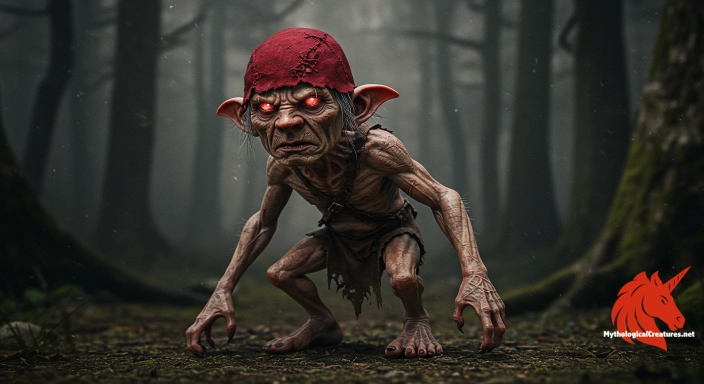
Dare to Meet the Redcap....
Curated by the Mythological Creatures Team
Series editor: Mythological Creatures Directory
Primary desk: Northern & European Folklore Desk
(rev. November 2025)