
Cleodora: Cleodora, also known as Kleodora, is a prophetic nymph from Greek mythology renowned for her gift of prophecy.
-8089b8b6-0a26-45b1-b032-59f0fa8905a4_small.webp "Cleodora - Cleodora exemplifies the divine art of prophecy and her connection to nature and the sacred site of Delphi underscores the integral role of divination in Greek mythology.")
Cleodora
Cleodora - Cleodora exemplifies the divine art of prophecy and her connection to nature and the sacred site of Delphi underscores the integral role of divination in Greek mythology.
the legend in five swipes.
the legend in five swipes.
Where in the world does Cleodora come from?
Cleodora, whose name translates to 'Glorious Gift', emerges from Greek mythology as an enigmatic figure endowed with the divine power of prophecy. Her myth is deeply entwined with the sacred precincts of Mount Parnassus and Delphi, centres renowned for their oracular tradition. As one of the prophetic Thriae, she was celebrated for her unique ability to foretell the future by casting stones, a practice that impressed upon later generations the mystery of fate. Born to Cephissus, the revered river god of northern Boeotia, her origins blend the elemental power of nature with divine insight. The legend of Cleodora is interlaced with that of her sisters, Melaina and Daphnis, who together formed a triad of prophetic figures. Her narrative not only illuminates the intimate ties between nature and divination but also underscores the early cultural significance of interpreting signs from the earth. In her early attestations, Cleodora was viewed as a mediator between the mortal realm and the gods, imbuing the land with sacred meaning. The reverence for her abilities highlights an ancient tradition that sought understanding from the natural world, making her an enduring symbol of mystic foresight. Her story invites deep reflection on the origins of prophetic ritual and the interplay between divine intervention and human destiny. Ultimately, Cleodora’s legacy continues to evoke the wonder of a time when the forces of nature and the divine coalesced into a single, compelling myth.
Where is Cleodora written about?
The ancient literary landscape presents a mosaic of references to Cleodora, though many sources remain fragmentary and interwoven with local lore. Various inscriptions and lost poems hint at the role of the Thriae in early divinatory practices, with Cleodora standing out as a central figure among them. Some surviving fragments suggest that her narrative was adapted within the cultic traditions of Delphi, where the mysterious art of prophecy was highly venerated. The Homeric Hymn to Hermes, in particular, alludes to the bee maidens whose attributes were later conflated with those of the Thriae, thereby linking Cleodora to a broader mythological canon. Distinct story variants exist, with some traditions citing her divine union with Poseidon or Kleopompos, thereby linking her to the elemental forces of the sea and earth. In several accounts, Cleodora is celebrated as the progenitor of Parnassos, whose innovative use of avian augury further enriched the tapestry of Greek prophetic arts. While classical texts offer only glimpses into her life, secondary sources and later commentaries sought to reconcile discrepancies and highlight her contributions to oracular lore. Mythographers have often portrayed her as a bridge between the empirical and the mystical, a role that underscores her enduring appeal. The diversity of sources reflects both the fluidity of myth in antiquity and the evolving nature of her character across texts. Collectively, these varied accounts provide a window into how early cultures revered the enigmatic qualities of destiny and divine inspiration.
How did the old accounts describe Cleodora?
Cleodora is frequently depicted in ancient iconography as an ethereal nymph, embodying a radiant beauty that mirrors the glistening flow of the river Cephissus from which she was born. Her flowing hair is often illustrated as cascading locks that seem to capture the golden hues of dawn, while her eyes are described as luminous, reflecting an inner depth of prophetic insight. Classical representations suggest that her visage bears an almost otherworldly serenity, with soft, delicate features that belie the formidable power of her divine gift. She is traditionally shown draped in light, gossamer robes that evoke the gentle caress of the wind over a mountain summit, a visual metaphor for her transient, otherworldly nature. Many artistic renditions incorporate subtle motifs, such as scattered stones or pebbles, which symbolise her unique method of divination. Her form is both graceful and commanding, merging the fragility of a woodland nymph with the strength of a seer who channels celestial truths. In some variations, Cleodora is portrayed with a slight diminutiveness, a visual cue reminiscent of other minor deities whose power belies their size. The interplay of light and shadow in classical frescos and sculptures accentuates her dual role as a bringer of divine knowledge and a guardian of nature’s mysteries. This composite physical depiction not only serves as an artistic celebration of her beauty but also as a symbolic representation of the harmonious union between nature and divinity. Overall, her visual portrayal encapsulates an enduring aesthetic designed to evoke both wonder and solemn respect for the mysterious forces of fate.
Where is the legend of Cleodora strongest?
Regional interpretations of Cleodora’s myth demonstrate a fascinating variation that reflects local cultural and environmental influences across ancient Greece. In Boeotia and central Greek territories, her story is deeply connected to the sacred landscapes of Mount Parnassus and the hallowed precincts of Delphi, echoing a long-standing tradition of earth-bound divination. Localised traditions have often emphasised her paternity as a daughter of Cephissus, integrating river imagery and the vitality of water into her narrative. In some Boeotian accounts, Cleodora’s role as a prophetic figure is broadened to include aspects of agricultural and seasonal fertility, infusing her myth with the rhythms of the natural world. Outside of central Greece, neighbouring communities have sometimes merged her legend with that of the bee maidens, enriching the myth with local colloquialisms and iconographies associated with pollination and transformation. Variants from these regions depict her as a more dynamic force, one whose mystical abilities are closely bound to the cycles of nature and the seasonal patterns that govern rural life. This regional diversity is further reflected in the differing artistic representations, where local cults adapt her attributes to align with indigenous spiritual practices. Such adaptations highlight the role of regional belief systems in reshaping universal mythic narratives to suit local needs and rituals. Ultimately, these variations underscore the dynamic process by which ancient communities absorbed and reinterpreted myth, ensuring that Cleodora’s legacy was both ubiquitous and distinctly adapted to regional tastes. Her story, therefore, serves as a potent example of how mythology could be fluidly transformed to reflect the unique spiritual landscape of each community.
Cleodora: Parallels in Other Cultures
Cleodora’s mythological profile invites comparison with a range of prophetic figures and oracular traditions across different cultures. Similar to the Sibylline figures of the ancient Mediterranean, she occupies the role of a divine mediator whose insights into the future challenge the boundaries between mortal life and divine will. Her method of prophecy, which uses natural elements like stones, bears a striking resemblance to other cultural practices that rely on physical tokens to predict fate, such as the runic divinations of Norse societies. The way in which her image has been conflated with that of the bee maidens in the Homeric Hymn to Hermes also finds echoes in other mythic traditions where nature’s creatures are imbued with mystical powers. In some parallels, both in Greco-Roman and Celtic mythology, sacred natural sites and elemental forces are closely intertwined with the divine, much like the association of Cleodora with the vibrant landscapes of Mount Parnassus. Comparative studies often note that her character aligns with the archetypal motif of the seer who embodies both the innocence of nature and the authority of the divine. This cross-cultural resonance speaks to a universal human fascination with the idea that nature itself can be the font of prophetic wisdom. As scholars draw connections between Cleodora and other enigmatic prophets, the similarities emphasise a shared symbolic language that transcends cultural boundaries. Whether viewed as part of a triad of prophetic nymphs or as an individual harbinger of fate, her character occupies a central place in the broader narrative of divination. Thus, Cleodora’s myth not only enriches our understanding of Greek mythology but also contributes to a global dialogue about the nature of foresight and spiritual insight.
Cleodora in Books, Film and Games
The evolution of Cleodora’s myth over the centuries reflects a fascinating journey from an obscure cultic figure in early Greek religion to a symbol of enduring mystical power in modern cultural discourse. While her original depictions centred on her role as a prophetic nymph woven into the fabric of Delphic traditions, later interpretations have broadened her narrative to embody universal themes of fate and divine insight. During the Renaissance, renewed interest in classical antiquity saw her portrayal in art and literature as an allegory for the creative and interpretative tensions between nature and destiny. Artists and poets were drawn to the subtle intricacies of her character, reimagining her as a luminous figure whose interaction with the natural world symbolised eternal wisdom. In contemporary times, Cleodora has been referenced in various works of fiction and visual media, where her legacy is adapted to reflect modern sensibilities around mysticism and the environment. Her enduring presence highlights a persistent curiosity about the ancient methods of divination and the enduring power of myth to speak to human experience. Academics continue to explore her symbolic significance within the context of archaic religion and its impact on modern spiritual thought. Today, Cleodora’s narrative is often invoked as a metaphor for the timeless search for meaning amid the complexities of life. Through exhibitions, scholarly reinterpretation, and creative adaptations, her story lives on as a fascinating emblem of divine foresight and the delicate interplay between nature and the supernatural. In many ways, Cleodora continues to inspire a contemporary understanding of the past, bridging the mythic and the modern in a dialogue that is as relevant now as it was in ancient times.
Interesting Fact
Cleodora is often conflated with the bee maidens of the Homeric Hymn to Hermes, illustrating the fluid and overlapping identities found in Greek myth.
Mythological Treasures
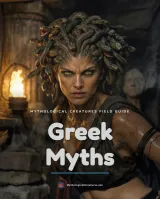
Greek Myths: A field guide to the monsters of ancient Greece
Every monster here earned its place in legend, and each gets a full page of artwork and the story behind it.
Japanese Yokai: A field guide to the spirits and demons of Japanese folklore
Fifteen spirits, with the signs to watch for and what the old tales say to do if you meet one.
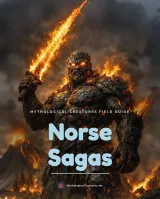
Norse Sagas: A field guide to the beasts of the Viking world
Drawn from the saga accounts themselves, with the powers, weaknesses and doom of each being set out.
the legend in five swipes.
Sponsor this space
Tasteful, fixed-fee placements for myth projects
No bidding wars or flashing banners. We offer simple placements for a small set of creators and brands aligned with our readers.
Request further detailsQuick Creature Info
Origin:
Associations:
Our Mythic Legendary Rating:

Also Sometimes Known As:
Habitat:
Supernatural Powers:
Physical Attributes:
Abilities:
Behavior:
Lore:
Related Creatures, Tales or Lore
- MMelaina
- DDaphnis
- BBee Maidens (Homeric)
References
Discover Another Mythical Legend You May Not Have Heard Of?
Uncover the mysteries of ancient folklore and expand your knowledge of legendary beings from cultures around the world.
Dare to Meet the Akathaso....

The Mythological Creatures Book Series
Yokai, Greek, Norse, Egyptian & Chinese. Five illustrated field guides to the creatures the old stories either warned or told you about.

Curated by the Mythological Creatures Team
Series editor: Mythological Creatures Directory
Primary desk: Hellenic & Ancient Mediterranean Desk
(rev. November 2025)