
Cretan Bull: The Cretan Bull is a legendary beast from Greek mythology, famed for its massive size and formidable strength.
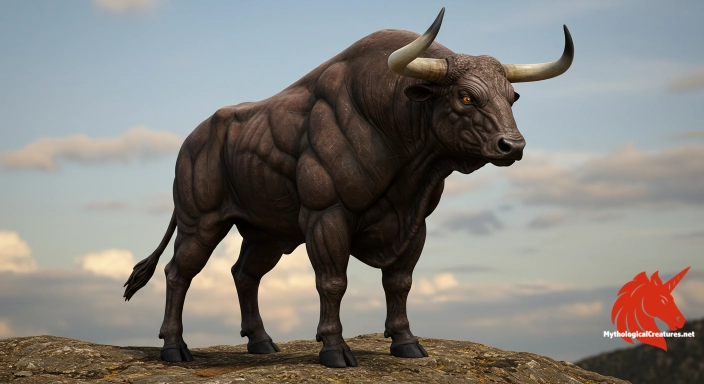
Cretan Bull
Cretan Bull - The Cretan Bull is central to the myth of the Minotaur, symbolising raw, untamed power and playing a key role in the legendary labours of Hercules.
Origins & First Encounters
Emerging from the rich tapestry of Greek myth, the Cretan Bull stands as a potent emblem of divine intervention and retribution. Its origins are deeply intertwined with the storied island of Crete and the complex legacies of its ancient deities. The creature made an early appearance in myth, where its formidable presence foretold both heroic triumphs and tragic downfalls. It is most famously linked to the curious affection of Pasiphaë, an episode that ultimately spawned the fearsome Minotaur. The bull’s narrative is a blend of the sacred and the profane, reflecting the nuanced interplay between fate and free will. Over time, its image has been etched into both literary accounts and visual art, becoming a symbol of nature’s raw and untamed force. The myths surrounding the creature invite interpretations that mix awe, dread, and even admiration for its majestic power. Throughout its legend, the Cretan Bull exemplifies the paradox of beauty intertwined with danger, capturing the imagination of generations.
Source Texts & Tale Variants
Ancient literary sources such as those found in the works of Apollodorus and Hesiod offer tantalising glimpses into the mythic narrative of the Cretan Bull. Although not the central subject of many texts, its presence is woven into the fabric of epic tales and heroic labours. Fragments from lost poems and traditional lore hint at a divine origin and underscore the bull’s connection with both cosmic forces and mortal transgressions. Writers like Diodorus Siculus and Pausanias contribute subtle details that enrich our understanding of its role in the broader mythos. Artistic artefacts, including vase paintings and frescoes, further corroborate its significance in ancient society. Variants of the story abound, with some traditions emphasising its role as an instrument of divine punishment and others celebrating its might. Numerous story variants also link the creature to the legendary exploits of Heracles, thereby cementing its place in heroic narrative cycles. This convergence of literary and visual sources has ensured that the myth of the Cretan Bull endures in the collective memory of ancient cultures. The fragmentary yet vivid accounts together present a multifaceted portrait that has intrigued scholars and enthusiasts alike.
Form & Powers
Depicted as a creature of immense stature and untamed allure, the Cretan Bull is often portrayed with a robust frame and rippling muscles that speak to its extraordinary strength. Its artistic renditions frequently highlight a lustrous coat that shimmers with hints of gold or silver under the Mediterranean light. Prominent, gracefully arched horns crown its head, setting it apart from ordinary bovines and suggesting a link to the divine. Detailed depictions sometimes reveal subtle natural markings along its hide, which some interpret as emblems of celestial heritage. The creature’s eyes are often rendered as deep and penetrating, reflecting an inner intensity that mirrors the tumultuous seas. While some narratives describe it as a gigantic beast, others celebrate its noble bearing and dignified presence. This interplay of physical grandeur with an almost supernatural quality gives the bull a compelling and distinct character. Every artistic account emphasises a blend of raw physicality with a transcendent, mythic beauty, inviting admiration from those who encounter it.
Regional Faces
The myth of the Cretan Bull is subject to a rich variety of regional interpretations that reflect local customs and values across the ancient Mediterranean. In Crete itself, the bull is interwoven with the island’s regal traditions, often portrayed as a divine emissary linked to both fertility and punishment. On the Greek mainland, its prominence is accentuated through its incorporation into the heroic sagas of figures such as Heracles, highlighting a narrative of overcoming nature’s formidable challenges. In regions like Anatolia and other parts of the Near East, similar bull motifs emerge that resonate with local religious and cultural symbolism. Local adaptations sometimes imbue the creature with attributes reflective of agrarian prosperity and ritualistic significance. Variations in regional art, from pottery to frescoes, reveal subtle shifts in emphasis—from an embodiment of raw power to an avatar of sublime divinity. These diverse interpretations underscore how a single mythological theme can be reshaped to mirror the spiritual and societal ideals of different communities. The enduring adaptability of the bull’s legend illustrates its ability to bridge disparate cultural landscapes while retaining a core mythic allure.
Cultural Parallels
Cross-cultural comparisons reveal that the motif of a divine bull is a persistent symbol in many ancient mythologies, and the Cretan Bull is no exception. It shares notable similarities with the revered Apis bull of Egyptian lore, where both creatures serve as embodiments of strength and spiritual significance. In Mesopotamian tradition, the Bull of Heaven emerges with a narrative that balances divine blessing and destructive wrath in a manner akin to its Greek counterpart. While the myth in Greece intertwines the bull with the dramatic story of Pasiphaë and the heroic labours of legendary figures, other cultures depict similar bovine figures as direct manifestations of nature’s unpredictable force. This contrast is further highlighted when comparing the pure form of the bull with hybrid creatures like the Minotaur, whose dual nature adds layers of complexity. Such parallels underscore a shared human fascination with the bull as a symbol of both fertility and formidable power. The comparative study of these motifs illuminates common archetypal themes, revealing how diverse cultures harness animal imagery to express cosmic order and moral lessons. In doing so, the Cretan Bull emerges as an integral part of a broader, interconnected mythological tradition. Its enduring image continues to bridge ancient narratives with contemporary interpretations across cultures.
Legacy & Modern Evolution
Over the centuries, the narrative of the Cretan Bull has transformed from a peculiar myth into a symbol of deep cultural resonance and artistic inspiration. Its central role in the ancient tales of Crete and the heroic exploits of figures like Heracles established a foundation that later generations would eagerly re-examine. During the Renaissance, a revival of classical themes brought renewed focus on this formidable creature, inspiring painters and sculptors to capture its dynamic form with passionate vigour. As modern creative disciplines emerged, the bull was appropriated into literature, film, and digital art, often serving as a metaphor for the clash between raw power and human ambition. This evolution reflects not only a shifting aesthetic but also a nuanced reinterpretation of its mythic qualities. Contemporary scholarship and popular culture continue to explore its symbolism, frequently casting the bull as a commentary on nature’s dual capacity for creation and destruction. Modern artistic expressions have reimagined the creature in various forms—from abstract representations to more literal, re-envisioned mythical narratives. The legacy of the Cretan Bull is seen as an enduring dialogue between ancient myth and modern interpretation, attesting to the timeless appeal of classical stories. In this way, its myth remains a vibrant legacy, continually reinterpreted to reflect changing artistic visions and societal values. The tale of the bull endures as a testament to the power of myth to evolve and inspire across the ages.
Interesting Fact
A striking aspect of the Cretan Bull is that its legacy not only gave rise to the Minotaur but also influenced numerous artistic and literary works, underscoring its lasting impact on Greek cultural identity.
For myth educators and toolmakers
Built a resource for mythology learners?
If you offer courses, teaching tools, or research platforms focused on myth and folklore, consider a discrete placement on our reference pages.
Introduce your resourceQuick Creature Info
Origin:
Features:
Associations:
Our Mythic Legendary Rating:

Habitat:
Supernatural Powers:
Physical Attributes:
Abilities:
Behavior:
Lore:
Related Creatures, Tales or Lore
- MMinotaur
- BBull of Heaven
- AApis Bull
References
Discover Another Mythical Legend You May Not Have Heard Of?
Uncover the mysteries of ancient folklore and expand your knowledge of legendary beings from cultures around the world.
Dare to Meet the Lou Carcolh....
Curated by the Mythological Creatures Team
Series editor: Mythological Creatures Directory
Primary desk: Hellenic & Ancient Mediterranean Desk
(rev. November 2025)