
Cydippe: Cydippe is one of the fifty Nereids in Greek mythology, a sea-nymph daughter of Nereus and Doris.
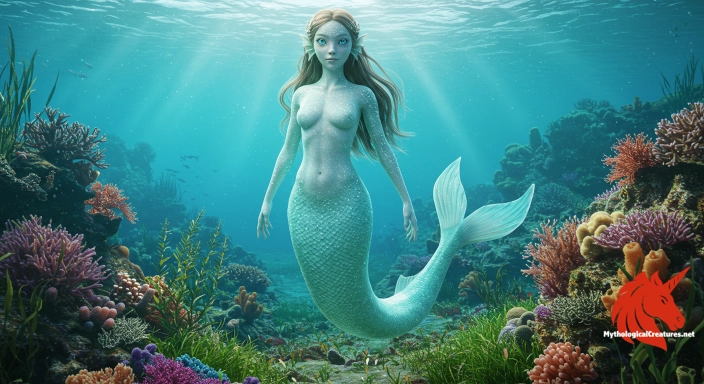
Cydippe
Cydippe - Represents the nurturing and dynamic aspects of the marine environment in Greek lore
the legend in five swipes.
the legend in five swipes.
How did the legend of Cydippe begin?
Cydippe emerges as a captivating figure in ancient Greek mythology, celebrated predominantly as one of the fifty ethereal Nereids whose existence symbolises the splendor of the sea. Her name, shared by several mythic figures, is most notably linked to the daughter of Nereus—the venerable 'Old Man of the Sea'—and Doris, the Oceanid whose grace mirrored nature’s bounty. Rooted deeply in the maritime ethos of ancient Greece, her narrative reflects an intrinsic bond between the divine and the ever-changing ocean. She is often depicted as a luminous presence within the attendant retinue of Cyrene, imbuing legendary processions with an air of mystic elegance. Although early accounts offer only brief mentions, these fragments are imbued with a symbolic portrayal of the delicate interplay between nurturing calm and the wild, unpredictable force of the sea. Her character stands as a metaphor for the ocean’s dual nature—both benevolent in its life-giving qualities and formidable in its tempestuous might. The legacy of Cydippe is interwoven with the cultural practices of coastal communities, who revered the sea as a source of sustenance and mystery. Artistic depictions and poetic narratives throughout antiquity celebrated her allure as a manifestation of nature’s indomitable spirit. Over time, the essence of Cydippe has continued to intrigue audiences, prompting successive generations to reimagine her as both an emblem of beauty and a reminder of nature’s ceaseless power. Indeed, her enduring presence in myth serves as a bridge between humanity and the profound mysteries of the ocean.
How was the story of Cydippe recorded?
Ancient compilations and fragmentary texts serve as the primary sources that attest to the existence of Cydippe among the Nereids, even though details about her individual exploits remain sparse. These early sources place her within lists of sea nymphs, signifying her role as a minor yet pivotal figure in the retinue of marine deities. Oral traditions, later transcribed by poets and scholars, ensured that her name was preserved alongside those of her immortal sisters. While canonical literature such as early epic catalogues briefly mentions her, the contextual richness of her character often emerges from the artistic embellishments that followed. Vase paintings, mosaics, and regional inscriptions further reinforce her presence in the visual traditions of ancient coastal societies. Despite the brevity of her direct narrative, these assorted accounts weave together a broader tapestry of myth, where Cydippe epitomises the enchanting allure of the sea. Variants of her story appear in different textual strands, sometimes aligned with the retinue of prominent figures like Cyrene. Later authors reinterpreted these sparse details, gradually enhancing her mythic profile during the Hellenistic period. The convergence of literary and artistic sources highlights a longstanding fascination with the divine feminine forces embodied in the ocean. In sum, although explicit narratives about her adventures are few, the persistent echo of her name in multiple sources affirms her role as an enduring maritime symbol.
What did people say Cydippe looked like?
Artistic representations of Cydippe accentuate her ethereal beauty and the fluid elegance that personifies the ocean itself. Her hair is often depicted as cascading waves of seafoam, glistening with the light of the sun as if spun from the very essence of water. In ancient sculptures and paintings, her eyes are rendered in deep azure hues that mirror the fathomless depths of the sea, inviting onlookers to contemplate mysteries hidden beneath the surface. Her skin is sometimes shown with a subtle, iridescent glow, reminiscent of moonlight dancing upon gentle ripples. Accentuated by delicate adornments fashioned from shells and pearls, her attire speaks both to her divine ancestry and to the natural treasures of the marine world. The graceful contours of her form suggest perpetual movement, as though she is caught in an eternal dance with the ceaseless tides. Some depictions imbue her with an almost luminescent presence, a visual cue to her association with both beauty and the latent power of nature. Her posture typically exudes serenity, yet there is an undercurrent of strength that recalls the formidable forces of the ocean. The interplay of light and shadow in her portrayals encapsulates the duality of calmness and storm, emphasising the rich symbolism inherent in her character. Consequently, Cydippe’s physical features have come to represent not only aesthetic perfection but also the profound mystery that lies within the depths of the sea.
How far did the story of Cydippe spread?
Local traditions throughout the ancient Mediterranean have imbued Cydippe with distinctive regional nuances that reflect the diverse cultural landscapes of coastal life. In several Aegean communities, she is revered as a guardian spirit whose presence ensures the safety and prosperity of seafarers. Regional artists and craftsmen often adapt her image to incorporate local symbols, resulting in portrayals that vary subtly from one island or coastal district to another. For instance, some depictions feature unique attire or specific maritime emblems that resonate with local legends and seasonal festivals. In certain parts of ancient Greece, Cydippe was celebrated during communal rituals that honoured the sea, blending her myth with prevailing agrarian and nautical traditions. The Roman adaptation of Greek mythology further diversified her character, occasionally fusing her identity with that of other aquatic deities commensurate with regional cult practices. This syncretism not only broadened her appeal but also allowed for a more personalised connection between the deity and the local populace. Intricate mosaics and temple reliefs from various locales reveal slight stylistic variations that underscore the local interpretation of her attributes. In these communities, Cydippe became a symbol of both the nurturance of the sea and its potential for sudden, transformative power. Thus, the regional evolution of her depiction highlights a shared reverence for the ocean, adapted by different cultures to reflect their unique environmental and spiritual landscapes.
How does the Cydippe legend compare worldwide?
An examination of Cydippe’s character invites comparisons with a broader spectrum of water deities and ethereal beings found in various mythological traditions. Within the Greek mythos, she stands in harmonious company with well-known figures like Thetis and Amphitrite, each representing distinct facets of the ocean’s temperament. Roman mythology, which often mirrored and modified its Greek antecedents, produced analogous figures whose roles in the marine narrative are strikingly similar. Beyond the classical world, water spirits in Celtic and Slavic lore exhibit comparable traits, blending human grace with the elemental might of aquatic forces. These parallels underscore a recurring motif across cultures: the personification of water as a nurturing yet capricious force. In artistic renderings and literary works from diverse traditions, the depiction of such entities exhibits a shared emphasis on ethereal beauty and an innate connection to nature. The comparative analysis reveals that water nymphs, irrespective of cultural origin, typically symbolise the fertility, mystery, and transformative power of the natural world. This widespread motif is further echoed in the enchanting stories of sirens and other water sprites, where beauty often belies a deeper, more unpredictable nature. The similarities between these mythic figures serve to unite disparate cultural narratives under a common thematic umbrella. Ultimately, Cydippe’s comparative role illuminates the universal human fascination with the sea and its embodiment of both life-giving serenity and relentless, dynamic power.
Cydippe: The Modern Legacy
Throughout the ages, the evolving narrative of Cydippe has mirrored changing attitudes toward nature and the divine, transitioning from a subtly mentioned sea nymph to a symbol of natural wonder. Classical depictions in ancient pottery and sculpture laid the foundational image of her as an enigmatic, maritime guardian. The revival of classical themes during the Renaissance brought about new interpretations, where artists reimagined her role with a renewed emphasis on aesthetic beauty and ethereal mystery. In modern times, her character has been embraced by literature, film, and digital art, reflecting an ongoing fascination with mythic figures that bridge the human and natural worlds. Contemporary reinterpretations often cast her as a muse for environmental conservation, embodying the delicate balance between respect for nature and the forces that shape it. Her image now frequently appears in artworks that celebrate the ocean’s enchanting yet formidable character, making her a potent symbol in discussions about ecological preservation. Festivals and theatrical productions inspired by classical mythology continue to celebrate her legacy, adapting ancient motifs to address modern themes. As cultures evolve, so too does the narrative of Cydippe, which today resonates as both a mythological archetype and a metaphor for the ever-changing sea. The enduring quality of her myth demonstrates the timeless appeal of ancient symbolism in addressing contemporary concerns. Ultimately, Cydippe’s historical evolution manifests the power of myth to inspire ongoing dialogue between past traditions and modern environmental consciousness.
Interesting Fact
Despite being one of many Nereids, Cydippe's role emphasises how Greek mythology celebrated even the lesser-known deities as essential personifications of the natural forces, particularly those of the sea.
Mythological Treasures
Greek Myths: A field guide to the monsters of ancient Greece
Every monster here earned its place in legend, and each gets a full page of artwork and the story behind it.
Norse Sagas: A field guide to the beasts of the Viking world
Drawn from the saga accounts themselves, with the powers, weaknesses and doom of each being set out.
Egyptian Legends: A field guide to the gods and monsters of ancient Egypt
Guardians of the living and devourers of the dead, with the role each played in judgement.
the legend in five swipes.
Limited sponsor opportunity
One slot, carefully chosen partners
We only feature a small number of relevant sponsors at any time. If you create serious myth content, we would like to hear from you.
Partner with usQuick Creature Info
Origin:
Associations:
Our Mythic Legendary Rating:

Habitat:
Supernatural Powers:
Physical Attributes:
Abilities:
Behavior:
Lore:
Related Creatures, Tales or Lore
- TThetis
- AAmphitrite
- GGalatea
References
Discover Another Mythical Legend You May Not Have Heard Of?
Uncover the mysteries of ancient folklore and expand your knowledge of legendary beings from cultures around the world.
Dare to Meet the Lubber fiend....

The Mythological Creatures Book Series
Yokai, Greek, Norse, Egyptian & Chinese. Five illustrated field guides to the creatures the old stories either warned or told you about.




Curated by the Mythological Creatures Team
Series editor: Mythological Creatures Directory
Primary desk: Hellenic & Ancient Mediterranean Desk
(rev. November 2025)