
Devantaka: Devantaka is an asura and son of Ravana from Hindu mythology, known as the 'destroyer of Gods'.

Devantaka
Devantaka - Devantaka is one of the formidable asura sons of Ravana, renowned for his destructive prowess and his role as the 'destroyer of Gods' in the epic Ramayana.
Origins & First Encounters
Devantaka stands as a formidable figure in Hindu mythological narratives, known primarily as an asura whose very name, meaning 'destroyer of gods', reflects the ominous nature of his destiny. Born into the dark lineage of the mighty Ravana and his second wife Dhanyamalini, he embodies the complex interplay between divine wrath and cosmic disorder. His origins are rooted in ancient texts where the clash between celestial forces and rebellious spirits is a recurring theme. Early attestations place him amid the legendary battles that define the epic fabric of the Ramayana, marking his role as both destructive and fateful. The tales of his exploits contribute to a broader cultural narrative that explores themes of pride, power, and inevitable downfall. Though often overshadowed by his more celebrated kin, his presence underscores the pervasive influence of Ravana’s lineage across mythic cycles. His story is interwoven with symbolic battles that represent the struggle between order and chaos within the cosmic realm. Over the centuries, Devantaka has emerged as a potent emblem of defiance against divine order, cementing his place in regional lore. Traditional narratives continue to recount his valor and eventual downfall as a lesson in the perils of unchecked ambition.
Source Texts & Tale Variants
Ancient epic literature remains the primary wellspring for the tale of Devantaka, with renditions appearing in various versions of the Ramayana and other related texts. Diverse manuscripts and oral traditions have contributed to a mosaic of accounts that highlight his martial prowess and his fated encounter with the divine. Some textual sources describe his involvement in grand battles as a symbol of the cosmic struggle between gods and asuras. Variants of his story are interlaced within the dramatic cycles of narrative retellings, where minor discrepancies point to regional interpretations. These narratives, while not always extensive, consistently portray him as a lethal combatant, destined to clash with the forces of righteousness. In certain recensions, his role is amplified to exemplify the catastrophic consequences of demonic lineage. The dialogue between written texts and folk traditions has allowed his character to evolve and adapt over time, creating a layered and multifaceted legend. This dynamic interplay between scriptural and folklore sources serves to underscore his significance in the broader panorama of Hindu mythology. As such, Devantaka’s story, though sometimes fragmentary, is a robust element of ancient mythic literature that continues to intrigue its audience.
Form & Powers
Depictions of Devantaka often evoke an awe-inspiring image marked by both grandeur and fear. His physical form is traditionally imagined as towering and robust, with a muscular build that hints at his formidable strength. Artists have frequently rendered him with fierce, penetrating eyes that seem to glow with an unearthly intensity, emblematic of his tumultuous spirit. His features are a blend of regal bearing and demonic ferocity, often highlighted by angular facial contours and a grim expression. In many portrayals, his body is adorned with intricate armour and mythic embellishments that echo the ornate craftsmanship of ancient iconography. Some accounts allude to the presence of horns or additional appendages, which serve to emphasise his otherworldly origins and martial capabilities. The skin of this asura is sometimes indicated to be marked with symbolic patterns or scars, each denoting a battle or curse from the divine realm. His portrayal, whether in classical sculpture or traditional paintings, conveys a sense of raw power and an aura of menace. Such detailed physical characterisations serve not only to heighten his terror but also to symbolise the formidable challenge that divine forces face in confronting him.
Regional Faces
Across the vast cultural landscape of South Asia, the legend of Devantaka has undergone a series of regional adaptations, each infusing his myth with local colour and symbolism. In northern traditions, he is often depicted as a stark embodiment of chaotic power, his portrayal closely aligned with the chaotic forces that defy divine order. In contrast, some South Indian narratives imbue his character with a subtle hint of internal conflict, suggesting that his fearsome appearance hides a tragic story of ambition and inevitable downfall. Southeast Asian renditions, shaped by local artistic traditions and folk theatre, frequently cast him in dramatic roles that blend elements of both villainy and reluctant heroism. Temple carvings and shadow puppetry in these regions tend to highlight his martial prowess, using elaborate iconography to mark his defiance against celestial authority. Each regional version not only preserves the core mythic elements but also adapts his narrative to mirror indigenous cultural values and philosophical ideals. The variations often reflect wider socio-cultural debates about destiny, power, and the cyclical nature of cosmic order. As communities reimagine his exploits over time, Devantaka becomes a dynamic symbol open to reinterpretation and dialogue. This multifaceted regional portrayal has helped ensure that his legend remains vibrant and contextually relevant.
Cultural Parallels
Devantaka’s myth finds intriguing echoes in a range of cultural traditions that explore the eternal conflict between divine order and rebellious chaos. His role as a fierce adversary who challenges the gods bears a resemblance to archetypal figures in various mythological systems, where the embodiment of destructive power is set against established celestial forces. Similar narratives can be observed in certain Norse legends, where figures of doom arise to combat the might of the gods in cataclysmic struggles. In other traditions, parallels emerge with demonic entities whose stories serve to warn against the perils of overweening pride and defiance. Such figures often occupy similar narrative spaces, acting as catalysts for the cosmic rebalancing of power. Devantaka, much like these counterparts, is emblematic of the inevitable reckoning that follows unchecked ambition. His myth resonates with a universal tale where even the greatest of powers can falter before the forces of destiny. This cross-cultural comparison enriches our understanding of his character, highlighting common themes and timeless symbols. Ultimately, his narrative is part of a grand dialogue that spans continents and epochs, inviting a comparative exploration of myth and morality.
Legacy & Modern Evolution
Over the course of many centuries, the legacy of Devantaka has undergone significant evolution, reflecting shifts in cultural imagination and narrative focus. Traditionally portrayed as a fearsome warrior whose fate was sealed in divine battle, his character has gradually expanded into a symbol laden with multiple layers of meaning. The early epic cycles that emphasised his raw power have given way to modern reinterpretations that explore the nuances of ambition, tragedy, and hubris. Contemporary art forms, including classical dance dramas and modern graphic novels, often present his story as a poignant allegory for the consequences of defying cosmic order. His depiction in popular media has become more complex, allowing audiences to contemplate both the destructive and, at times, redemptive aspects of his character. Scholars and artists alike have reimagined his narrative to mirror modern existential themes and the timeless struggle between order and chaos. This modern legacy is enriched by reinterpretations that invite dialogue between the ancient and the contemporary, blurring the lines between myth and metaphor. As traditions continue to evolve, the tale of Devantaka remains a powerful reminder of the enduring human fascination with the interplay of light and darkness. His myth, therefore, continues to inspire and challenge each new generation, ensuring that his presence in cultural memory is as dynamic as it is enduring.
Interesting Fact
Despite his fearsome reputation and martial prowess, Devantaka's demise at the hands of Hanuman serves as a poignant reminder of the delicate balance between pride and destiny in Hindu mythology.
For myth educators and toolmakers
Built a resource for mythology learners?
If you offer courses, teaching tools, or research platforms focused on myth and folklore, consider a discrete placement on our reference pages.
Introduce your resourceQuick Creature Info
Features:
Our Mythic Legendary Rating:

Also Sometimes Known As:
Supernatural Powers:
Physical Attributes:
Abilities:
Behavior:
Lore:
Related Creatures, Tales or Lore
- HHiranyakashipu
- MMahishasura
- VVritra
References
Discover Another Mythical Legend You May Not Have Heard Of?
Uncover the mysteries of ancient folklore and expand your knowledge of legendary beings from cultures around the world.
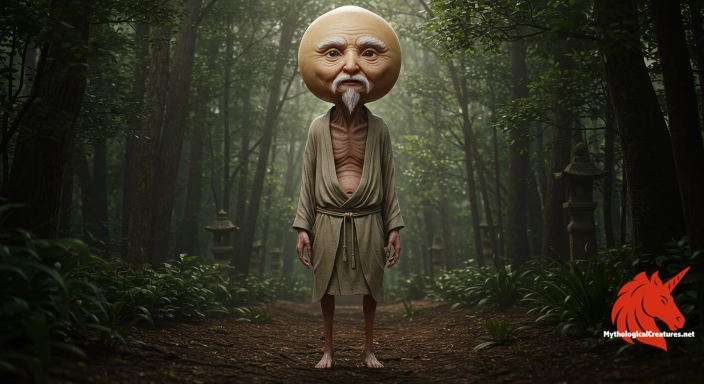
Dare to Meet the Nurarihyon....
Curated by the Mythological Creatures Team
Series editor: Mythological Creatures Directory
Primary desk: Asian & Pacific Myth Cycles Desk
(rev. November 2025)