
Diarmuid Ua Duibhne: Diarmuid Ua Duibhne is a celebrated hero and demigod of Irish mythology, renowned for his exceptional combat skills and fated love affair with Gráinne.
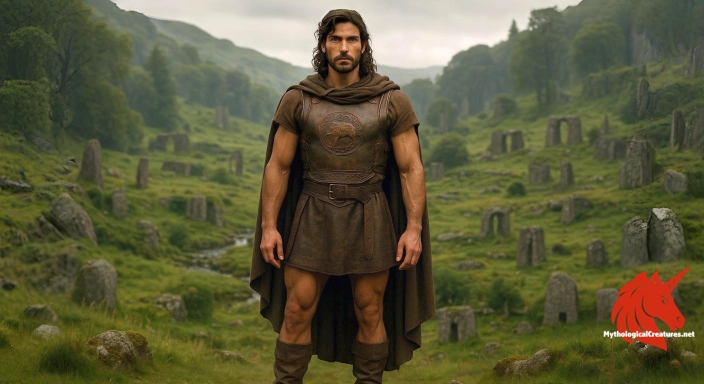
Diarmuid Ua Duibhne
Diarmuid Ua Duibhne - Symbolises tragic romance and heroic virtue; his story is integral to the Irish legendary tradition and has influenced Scottish clan identity.
the legend in five swipes.
the legend in five swipes.
The Beginnings of Diarmuid Ua Duibhne
Diarmuid Ua Duibhne emerges as a vibrant hero in Irish mythology, whose narrative bridges the realms of mortal endeavour and divine influence. Born of a storied lineage, his origins intertwine with both the earthly traditions of the Fianna and the ethereal presence of gods, marking him as a figure of dual heritage. His early life, nurtured under the guidance of Aengus Óg, instils in him the values of both martial prowess and tender romance, setting the stage for a life marked by extraordinary feats. The historical setting of his tale, generally placed between the 2nd and 4th centuries, resonates with the broader cultural milieu of ancient Ireland, reflecting a society steeped in heroic legend and oral storytelling. His character is steeped in passion and struggle, balancing the demands of loyalty and the lure of forbidden love. The legendary romance with Gráinne further highlights the richness of his persona, merging themes of destiny, defiance, and doomed love. Each retelling of his adventures adds layers to his myth, portraying him as both a formidable warrior and a sensitive soul caught in the throes of fate. Diarmuid’s enduring appeal lies in the delicate interplay between his human imperfections and his extraordinary achievements, making him a timeless icon in the Celtic tradition.
Where can you read about Diarmuid Ua Duibhne?
The narrative of Diarmuid Ua Duibhne is preserved across a range of medieval manuscripts and oral traditions that form part of the Fenian Cycle. The tale of his daring exploits and tragic romance is most notably encapsulated in 'The Pursuit of Diarmuid and Gráinne', a story that has undergone numerous adaptations over time. Various texts, including recensions found in the Book of Leinster and other Gaelic compilations, attest to the complexity and richness of his legend. These sources record not only his martial accomplishments and acts of bravery but also the whimsical and fateful events surrounding his love life. Storytellers and bards have contributed to the evolution of his myth, ensuring that subtle local variations are introduced in different regions. Each version of his story offers a unique perspective on his character, sometimes emphasising his heroic deeds and other times his tragic vulnerability. The multiplicity of sources still in circulation underscores the dynamic nature of oral cultures, where narrative threads are constantly woven into new forms. Even as modern interpretations continue to emerge, these ancient texts remain pivotal in understanding both his mythic stature and his cultural significance. The enduring tradition of his narrative continues to inspire fresh retellings that bridge the gap between history and legend.
What powers did Diarmuid Ua Duibhne have?
Diarmuid Ua Duibhne is often depicted as a paragon of heroic beauty, combining robust physical strength with an almost ineffable charm. His athletic build and commanding presence speak of a life forged in the crucible of battle and tempered by the gentler influences of divine affection. A distinctive feature of his appearance is the renowned love spot, a subtle mark that not only sets him apart visually but symbolises his blessed connection with the god of love. Artistic representations frequently heighten this personal emblem, suggesting that it confers an aura of magnetism and romance. His eyes, vivid and penetrating, mirror both the intensity of his warrior spirit and the depth of his inner sensitivity. Traditional portrayals often highlight a mane of hair that shimmers with hues ranging from deep auburn to fiery red—a tribute to his Celtic heritage. The interplay of light and shadow over his face, accentuated by battle scars and subtle imperfections, reveals the marks of both conflict and passion. Overall, his physical form is rendered as a harmonious blend of rugged strength and delicate allure, embodying the essence of a mythical hero who is as visually compelling as he is formidable in legend.
Where in the world is Diarmuid Ua Duibhne known?
The tale of Diarmuid Ua Duibhne exhibits intriguing variations as it travels through different regions, each adding its own cultural inflections to the legend. In Ireland, the focus is often on his bittersweet romance and valorous exploits as a member of the Fianna, adding layers of emotional complexity to his myth. Scottish traditions, meanwhile, celebrate his legacy in a different light, often linking him to the foundational ancestry of prominent clans such as Clan Campbell. This regional reinterpretation transforms him into a progenitor whose story is interwoven with local genealogies and heraldic symbols. Variants in local lore sometimes underscore his martial strength over his romantic adventures, reflecting distinct community values and historical contexts. In some areas, Diarmuid is portrayed as a guardian of certain natural landscapes, his presence imbuing the land with a sense of magical providence. These regional adaptations underscore the fluid nature of myth, where different communities reshape legends to mirror their cultural identities and historical circumstances. The diversity in his portrayal highlights the universal appeal of his character, as well as the ability of local narratives to inject fresh nuances into an ancient story. Ultimately, his legend serves as a canvas onto which various cultural and regional colours are artfully applied.
Diarmuid Ua Duibhne: Echoes in Other Mythologies
When placed in a broader mythological context, Diarmuid Ua Duibhne’s attributes resonate with those of other legendary heroes whose stories traverse the boundaries of human experience and divine intervention. His unique blend of physical allure and tragic destiny invites parallels with heroes like Tristan, whose fateful love and complex moral landscape also captivated medieval audiences. Much like other Celtic figures such as Cú Chulainn, Diarmuid embodies the paradox of a warrior whose strengths are as much about passionate vulnerability as they are about martial might. The presence of his notable love spot draws comparisons to the distinctive marks found in other traditions, serving as a mystical emblem that distinguishes him among demigods and mortals alike. His narrative, underscored by themes of doomed romance and heroic defiance, echoes the timeless struggle found in mythologies around the world—from the epic narratives of classical antiquity to later medieval romance. The interplay between destiny and free will in his tale mirrors common motifs seen in disparate cultures, highlighting the universal nature of heroic storytelling. By aligning with both human frailty and elevated, often supernatural, attributes, his character invites a comparative analysis that bridges diverse mythic traditions. This cross-cultural dialogue enriches the understanding of how legendary figures are employed to express the full spectrum of human emotion and societal ideals.
Why is Diarmuid Ua Duibhne still popular?
The evolution of Diarmuid Ua Duibhne’s legend illustrates a remarkable journey from ancient oral tradition to modern reinterpretations that continue to captivate contemporary audiences. Over the centuries, his narrative has been reimagined through the lens of changing cultural and artistic sensibilities, confirming his status as a multifaceted icon of heroism and romance. Modern literature, theatre, and visual arts have drawn inspiration from his exploits, reworking his legendary love affair and martial feats to reflect current themes of individualism and emotional complexity. The tragic romance with Gráinne has especially resonated with modern audiences, symbolising the delicate balance between duty and desire in shifting social landscapes. In Scotland, his identification as the founder of Clan Campbell adds a layer of historical and genealogical significance that still influences regional pride and identity. His image, often symbolised by the boar's head on heraldic crests, reinforces his enduring legacy as a figure of ancestral power and mystical charm. As new generations explore his story, the interplay of myth, history, and personal legacy continues to inspire both academic inquiry and popular cultural expression. Diarmuid’s enduring presence in various art forms and cultural celebrations illustrates the timeless allure of myth—a reminder of the power stories hold in shaping collective heritage and individual imagination.
Interesting Fact
An interesting aspect of Diarmuid’s legacy is how his personal geis and legendary love affair have been immortalised in both myth and the heraldry of Clan Campbell, bridging ancient lore with modern identity.
Mythological Treasures
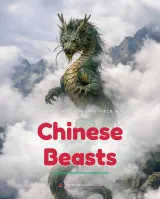
Chinese Beasts: A field guide to the dragons and demon kings of Chinese myth
From river dragons to demon kings, with the legends that shaped five thousand years of storytelling.
Japanese Yokai: A field guide to the spirits and demons of Japanese folklore
Fifteen spirits, with the signs to watch for and what the old tales say to do if you meet one.
Greek Myths: A field guide to the monsters of ancient Greece
Every monster here earned its place in legend, and each gets a full page of artwork and the story behind it.
the legend in five swipes.
For publishers and studios
Your next readers are already here
Many of our visitors are looking for books, campaigns, and resources that deepen their journey into myth. Position your title or setting here.
Discuss a placementQuick Creature Info
Features:
Associations:
Our Mythic Legendary Rating:

Also Sometimes Known As:
Habitat:
Supernatural Powers:
Physical Attributes:
Abilities:
Behavior:
Weaknesses:
Lore:
Related Creatures, Tales or Lore
- CCúchulainn
- FFionn mac Cumhaill
- HHeracles
References
Discover Another Mythical Legend You May Not Have Heard Of?
Uncover the mysteries of ancient folklore and expand your knowledge of legendary beings from cultures around the world.
Dare to Meet the Lamashtu....
The Mythological Creatures Book Series
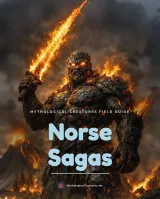
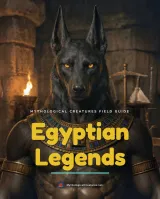
Yokai, Greek, Norse, Egyptian & Chinese. Five illustrated field guides to the creatures the old stories either warned or told you about.
Curated by the Mythological Creatures Team
Series editor: Mythological Creatures Directory
Primary desk: Northern & European Folklore Desk
(rev. November 2025)