
Elf: Elves are supernatural humanoid beings rooted in Germanic folklore, renowned for their magical abilities and otherworldly beauty.
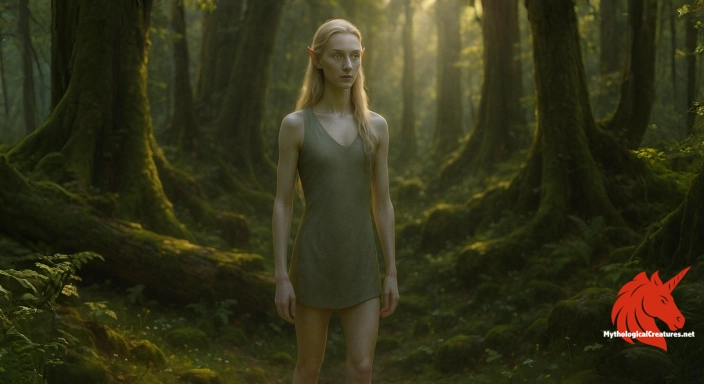
Elf
Elf - Elves embody the mysterious forces of nature with the capacity to both aid and hinder humans, reflecting the dual nature of magic and fate in folklore.
the legend in five swipes.
the legend in five swipes.
Elf: First Encounters and Early Records
Elves are multifaceted supernatural beings whose origins lie deep within Germanic folklore, embodying both luminous grace and a capricious nature. They emerge from a storied past steeped in ancient myth, with early attestations found in venerable texts such as the Poetic Edda and the Prose Edda. Their very name evokes the idea of a 'white being', suggesting an ethereal purity and a connection to the divine. Over the centuries, elves have oscillated between roles as benevolent guardians and mischievous tricksters, reflecting the duality of human existence. Their presence in medieval narratives reveals an ambiguous interplay between beauty and peril, where charm is interwoven with supernatural influence. Cultural traditions have depicted them as figures both hidden and near, capable of aiding as well as afflicting human lives. As the centuries unfolded, the image of the elf underwent subtle transformations, incorporating elements from both pagan and Christian symbolism. These beings have long served as a mirror to the untameable forces of nature and the mysteries that elude human understanding. Their evolution offers a fascinating glimpse into how myth adapts to shifting cultural landscapes. Ultimately, elves hold a timeless allure that bridges ancient spiritual traditions and modern imaginations.
Elf in the Historical Record
Ancient texts form the cornerstone of elven lore, with references appearing in the Icelandic Poetic Edda and the Prose Edda that capture their enigmatic qualities. Early manuscripts written in Old and Middle English, as well as medieval German and Old Norse texts, further enrich the tradition with diverse narrative strands. Folk ballads and oral traditions from the British Isles and Scandinavia embellish these texts with vivid encounters of elven seduction and mischief. Such sources present elves as ambiguous entities who can enchant and confound, offering both protection and peril to humans. The variations in these stories illustrate a cultural tapestry that spans generations and geographical boundaries. Additional literary sources from the early modern period continue to reframe these ancient tales, blending inherited myth with evolving societal values. Folklore compiled in regional anthologies adds layers of nuance, capturing local interpretations and adaptations of the elven archetype. Each new retelling contributes to a rich mosaic of tradition that maintains the mystery of these creatures. The diversity of sources attests to the enduring significance of elves in the collective imagination. In this way, the legacy of the ancient texts echoes through modern reinterpretations, reinforcing the timeless nature of the myth.
Elf: Physical Form and Supernatural Powers
Descriptions of elves have evolved significantly over time, reflecting a spectrum of appearances that range from the ethereal to the distinctly humanoid. In early depictions, elves were seen as luminous 'white beings', their delicate features exuding an almost supernatural radiance. Their beauty was often portrayed as otherworldly, with an inherent grace that set them apart from ordinary mortals. Some accounts suggested a mutable presence, where they could appear both as elusive shadows and as fully formed, enchanting figures. Modern literary traditions, especially those influenced by high fantasy, offer images of tall, slender beings with pointed ears and refined, noble features. This transformation highlights an artistic shift from the mystical to the majestic, with an emphasis on a serene and ageless dignity. Despite such changes, a common thread persists: elves remain figures defined by their alluring and enigmatic physicality. The interplay between their gentle appearance and an underlying, potent magical aura adds to their mystique. Variations in size and form across different narratives underscore the versatility of their portrayal. Ultimately, the shifting physical depictions of elves mirror the broader evolution of myth, blending ancient symbolism with contemporary aesthetics.
Elf: Regional Versions and Local Names
Across various regions, the image of elves is adapted to reflect local cultural flavours and environmental influences. In Scandinavian traditions, elves are often conceived as discreet spirits inhabiting the natural world, where their presence is felt more than seen beneath the mystic northern skies. German folklore, by contrast, sometimes merges their identity with that of other supernatural beings, resulting in a complex interplay of traits that include both the ethereal and the corporeal. In the British Isles and Scotland, elven narratives have often emphasised an element of seduction and enchantment, weaving tales where these beings flirt with the boundaries of human morality. Local traditions lend them specialised roles, whether as guardians of nature or as ambiguous forces capable of causing mysterious ailments. The regional interpretations are as varied as the landscapes that inspire them, from the rugged, windswept moors of Scotland to the deep, enchanted forests of Scandinavia. Each locale imparts its own symbolism, adapting the elven myth to address regional concerns such as fertility, misfortune, or the caprices of the natural world. This geographical diversity enriches the overall narrative and underscores the universal appeal of elven lore. Such localized adaptations continue to influence modern portrayals and maintain the creature's relevance in a myriad of cultural expressions. Through these regional lenses, the elf remains a dynamic emblem of nature, mystery, and transformation.
Elf: Shared Themes in World Myth
Examining elven lore in a comparative context reveals striking parallels with other mythological beings across the world. Much like the fae in Celtic traditions, elves are imbued with a sense of otherworldly allure that blurs the boundaries between benevolence and mischief. The graceful yet enigmatic nymphs of classical mythology share with elves the dual capacity to both delight and bewitch their human counterparts. This commonality underscores a broader cultural phenomenon, where various societies personify the forces of nature through beings that defy ordinary explanation. Similarly, the ethereal aspects of Greek sirens or even certain Eastern spirit beings resonate with the intricate charm and subtle danger that elves embody. These comparative narratives highlight a universal fascination with supernatural entities that inhabit the interstice between the mortal and the divine. Such cross-cultural connections reinforce the idea that the appeal of the elven archetype lies in a shared human desire to personify the mysteries of nature. The comparative study of these figures reveals a rich intermingling of folklore and myth that crosses both geographical and cultural boundaries. In art and literature, these analogous depictions spark creative reinterpretations that continue to inspire new mythologies. Ultimately, the elf stands as a versatile symbol, its essence reflected in diverse cultural traditions that celebrate magic and the unknown.
Elf: From Folklore to Pop Culture
The evolution of elven mythology mirrors shifting cultural tides, transforming from ancient spirits of nature into figures central to modern fantasy. Early depictions portrayed elves as ambivalent forces whose powers could both heal and harm, reflecting a natural duality inherent in human beliefs. Over time, literary reinterpretations have recast these beings, often imbuing them with nobility, wisdom, and a timeless grace. Influential works in the early modern era shift the narrative from one rooted purely in mysticism to a more nuanced presentation that combines charm with an undercurrent of latent peril. The dramatic change in their portrayal became particularly pronounced during the Romantic era, where a renewed focus on natural beauty and ethereal elegance further enriched elven myth. In the twentieth century, J.R.R. Tolkien’s imaginative reinvention of elves as wise, human-sized beings with elaborate cultural histories profoundly shaped contemporary fantasy literature. Their image as both valiant warriors and mysterious custodians of ancient lore has continued to evolve across various media. Modern interpretations even extend to popular depictions such as Christmas elves, blending whimsy with elements of tradition. Today, the narrative of the elf encapsulates a journey from mysterious ancient spirits to celebrated modern icons. This enduring legacy ensures that the mythos of the elf continues to captivate and inspire creativity across generations.
Interesting Fact
An interesting observation is that while early medieval folklore portrayed elves as mysterious and potentially dangerous beings responsible for illness and seduction, modern reinterpretations have largely transformed them into symbols of beauty, longevity, and benevolent magic.
Mythological Treasures
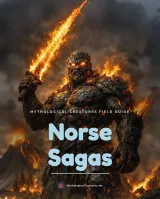
Norse Sagas: A field guide to the beasts of the Viking world
Drawn from the saga accounts themselves, with the powers, weaknesses and doom of each being set out.
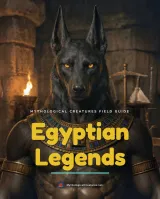
Egyptian Legends: A field guide to the gods and monsters of ancient Egypt
Guardians of the living and devourers of the dead, with the role each played in judgement.
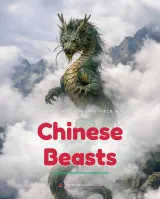
Chinese Beasts: A field guide to the dragons and demon kings of Chinese myth
From river dragons to demon kings, with the legends that shaped five thousand years of storytelling.
the legend in five swipes.
For serious mythcraft
Your project belongs among the legends
If your work deepens how people understand, play with, or teach mythology, a sponsor placement here keeps it in front of the right readers all year.
Submit a sponsorship enquiryQuick Creature Info
Origin:
Features:
Associations:
Our Mythic Legendary Rating:

Also Sometimes Known As:
Habitat:
Supernatural Powers:
Physical Attributes:
Abilities:
Behavior:
Weaknesses:
Lore:
References
Discover Another Mythical Legend You May Not Have Heard Of?
Uncover the mysteries of ancient folklore and expand your knowledge of legendary beings from cultures around the world.
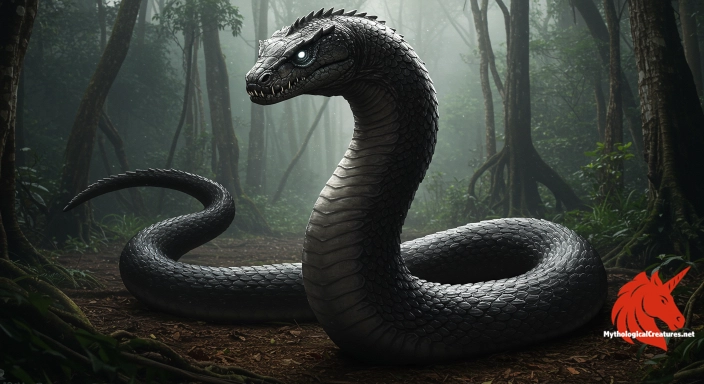
Dare to Meet the Boiuna....
The Mythological Creatures Book Series
Yokai, Greek, Norse, Egyptian & Chinese. Five illustrated field guides to the creatures the old stories either warned or told you about.
Curated by the Mythological Creatures Team
Series editor: Mythological Creatures Directory
Primary desk: Northern & European Folklore Desk
(rev. November 2025)